Passover (Pesach): The Festival of Freedom
The story of the Exodus comes alive each spring as Jewish families gather for the Seder — the most widely observed Jewish ritual.
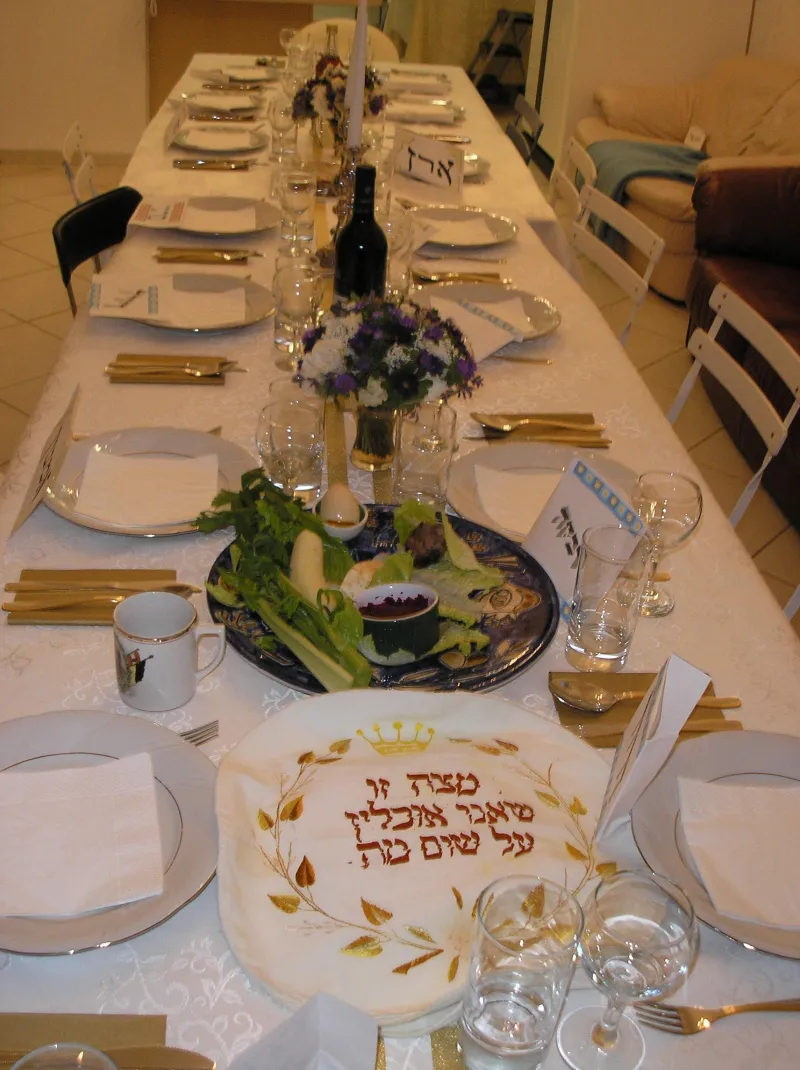
The Most Celebrated Jewish Holiday
The Seder table is a feast for the senses before a single word is spoken. The gleam of the best china, set out once a year. The deep purple of wine in every glass. The sharp bite of horseradish that makes eyes water before it even reaches anyone’s lips. And then comes the moment everyone is waiting for — the youngest child at the table stands, clears their throat, and in a voice that may waver with nervousness, begins to chant the Four Questions: “Mah nishtanah halailah hazeh…” In living rooms and dining rooms around the world, grandparents lean in, parents hold their breath, and the ancient story begins again.
If you could attend only one Jewish ritual in your lifetime, many would recommend the Passover Seder. It is the most widely observed Jewish practice in the world — even many secular Jews who rarely attend synagogue will gather with family for the Seder. Passover (in Hebrew, Pesach) is a week-long spring festival commemorating the Israelites’ liberation from slavery in Egypt, and it carries a message that resonates far beyond the Jewish community: the universal human longing for freedom.
The Story
The Passover narrative, told in the Book of Exodus in the Torah, begins with the Israelites enslaved in Egypt under a cruel Pharaoh. God calls Moses to demand their release. When Pharaoh refuses, God sends ten plagues upon Egypt:
- Water turning to blood
- Frogs
- Lice
- Wild beasts
- Pestilence on livestock
- Boils
- Hail
- Locusts
- Darkness
- Death of the firstborn
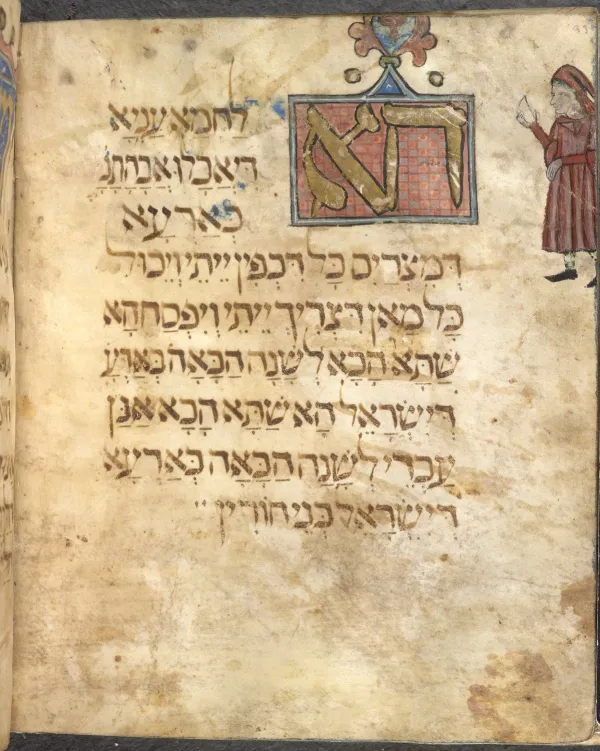
Before the tenth and most devastating plague, God instructs the Israelites to mark their doorposts with the blood of a lamb so the plague would “pass over” their homes — hence the name of the holiday. That night, Pharaoh finally relents. The Israelites leave Egypt in such haste that their bread does not have time to rise, and they carry unleavened dough on their backs. This is why matzah (unleavened bread) is the central symbol of Passover.
Preparing for Passover
Passover preparations are among the most intensive in the Jewish calendar.
Removing Chametz
In the weeks before Passover, Jewish households undergo a thorough cleaning to remove all chametz — leavened grain products. This includes bread, pasta, cookies, beer, and many other foods. The kitchen is scrubbed, special Passover dishes are brought out, and some families cover countertops and stove surfaces.
The night before the Seder, a formal search for chametz (bedikat chametz) takes place. By tradition, ten pieces of bread are hidden around the house, and family members search by candlelight with a feather and a wooden spoon, sweeping up any remaining crumbs. The next morning, any remaining chametz is burned.
Kosher for Passover
During the eight days of Passover (seven in Israel), observant Jews eat only foods certified kosher for Passover — meaning they contain no leavened grains. Ashkenazi Jews traditionally also avoid kitniyot (legumes, rice, and corn), though Sephardi and Mizrahi Jews generally permit these foods. In recent years, even some Ashkenazi authorities have relaxed this restriction.
The Seder
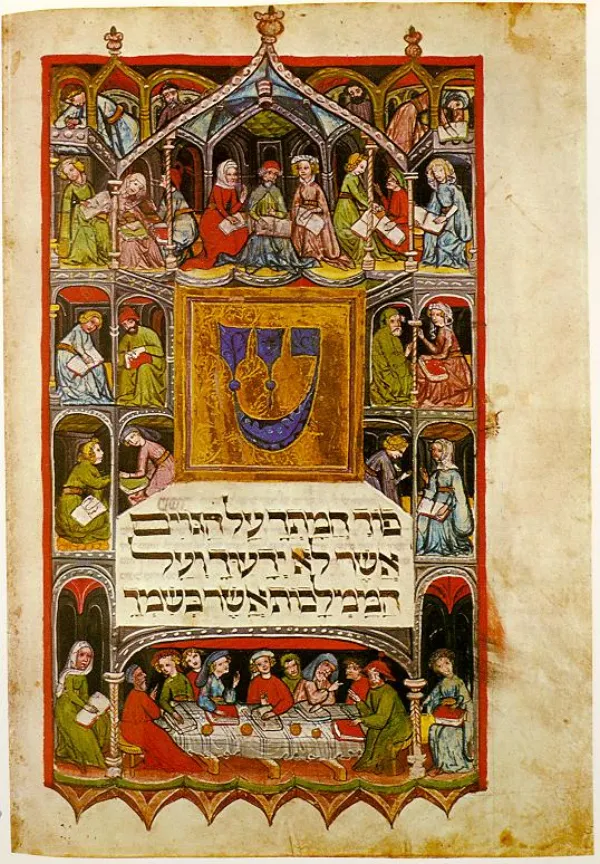
The word Seder means “order” — it is a carefully structured ritual meal, guided by a special book called the Haggadah (“telling”). The Haggadah has been printed in thousands of editions over the centuries, from medieval illuminated manuscripts to modern versions with commentary by everyone from rabbis to civil rights leaders.
The Seder Plate
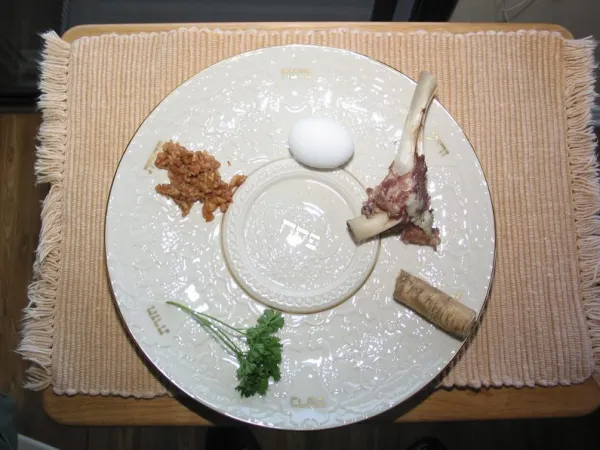
At the center of the table sits the Seder plate, holding six symbolic foods:
- Maror (bitter herbs, usually horseradish): Represents the bitterness of slavery.
- Charoset (a paste of fruits, nuts, and wine): Represents the mortar used by the slaves. Ashkenazi charoset typically uses apples, walnuts, and wine. Sephardi versions might use dates, figs, and almonds. Yemenite charoset can include over a dozen spices.
- Karpas (a green vegetable, often parsley): Dipped in salt water to symbolize tears.
- Zeroa (a roasted shankbone): Represents the Paschal sacrifice.
- Beitzah (a roasted egg): Symbolizes the festival offering and the cycle of life.
- Chazeret (additional bitter herb, often romaine lettuce): Used for the Hillel sandwich.
The Four Cups of Wine
Throughout the Seder, participants drink four cups of wine (or grape juice), each corresponding to one of God’s four promises of redemption to the Israelites. A fifth cup — the Cup of Elijah — is filled but not drunk, left for the prophet Elijah, whose arrival is said to herald the coming of the Messiah. At some point during the Seder, a child opens the front door to symbolically welcome Elijah.
The Four Questions
One of the most beloved moments of the Seder is the Mah Nishtanah (“Why is this night different?”) — four questions traditionally asked by the youngest child at the table:
- Why do we eat only matzah tonight?
- Why do we eat bitter herbs?
- Why do we dip our food twice?
- Why do we recline while eating?
These questions are the launching point for the entire narrative. The Haggadah emphasizes that the story should be told in response to children’s questions — making the Seder one of the oldest interactive educational experiences in human history.
The Narrative Arc
The Seder follows a specific order of fifteen steps, including:
- Maggid (telling the story): The longest section, recounting the Exodus narrative.
- Motzi Matzah: Eating the matzah.
- Maror: Eating the bitter herbs.
- Korech (Hillel sandwich): Combining matzah, maror, and charoset.
- Shulchan Orech: The festive meal.
- Tzafun: Finding and eating the afikomen — a piece of matzah hidden earlier, which children search for (a highlight for kids, who often negotiate rewards for its return).
- Hallel: Songs of praise.
- Nirtzah: The conclusion, ending with “L’shanah haba’ah b’Yerushalayim!” — “Next year in Jerusalem!”
Passover Across Jewish Communities
Each community brings distinctive customs to Passover:
- Ashkenazi Jews avoid kitniyot and prepare dishes like matzah ball soup, gefilte fish, and matzah brei (fried matzah with eggs).
- Sephardi Jews enjoy rice, legumes, and dishes like mina (a matzah pie with meat or vegetables) and lamb.
- Yemenite Jews have a unique Seder tradition where participants reenact the Exodus by wrapping matzah in cloth and carrying it on their shoulders.
- Ethiopian Jews (Beta Israel) celebrate a holiday called Fasika, which includes breaking their Passover vessels and making new ones to symbolize renewal.
- Persian Jews playfully hit each other with scallions during the singing of “Dayenu” to recall the sting of slavery.
A Living Tradition
Passover is not merely a commemoration of a distant historical event. The Haggadah instructs: “In every generation, each person must see themselves as if they personally came out of Egypt.” This radical idea — that freedom is not an abstract concept but a personal, living experience — has made Passover resonate across centuries and cultures.
Walk into a Yemenite Seder and you might see participants hoisting bundles of matzah onto their shoulders, reenacting the hasty departure from Egypt. Sit at a Persian table and you will be playfully struck with scallions during “Dayenu,” the sting a reminder of slavery’s lash. At an Ethiopian Fasika, new clay vessels replace old ones, a tangible symbol of renewal. Every community has found its own way to make the Exodus story not something merely recited, but something felt in the body and remembered through the senses.
The themes of Passover have inspired liberation movements around the world. African American spirituals drew heavily on the Exodus story. The Seder has been adapted for civil rights gatherings, feminist seders, and interfaith celebrations. At its core, Passover asks a question as urgent today as it was three thousand years ago: What does it mean to be free?
Frequently Asked Questions
How long is Passover?
Passover lasts 7 days in Israel and 8 days in the diaspora. The Seder is held on the first night (and second night in the diaspora).
Why can't you eat bread on Passover?
Leavened bread (chametz) is forbidden during Passover to remember that the Israelites left Egypt so quickly their bread didn't have time to rise. Matzah, unleavened bread, is eaten instead.
What is a Seder plate?
The Seder plate holds six symbolic foods: maror (bitter herbs), charoset (fruit paste), karpas (vegetable), zeroa (shank bone), beitzah (egg), and chazeret (additional bitter herb). Each represents an aspect of the Exodus story.
Test Your Knowledge
Think you know this topic? Try our quiz!
Take the Jewish Holidays: Advanced Quiz →Sources & Further Reading
Related Articles
The Exodus from Egypt: Slavery, Liberation, and the Birth of a Nation
The story of the Israelite exodus from Egypt — slavery under Pharaoh, Moses's call, the ten plagues, the parting of the Red Sea, forty years in the desert, and the revelation at Sinai.
Hanukkah: The Festival of Lights
Eight nights of candles, latkes, and dreidels — the story and customs of the beloved winter holiday.
The Jewish Calendar: How an Ancient Lunar-Solar System Shapes Jewish Life
The Jewish calendar is a sophisticated lunar-solar system that has kept Jewish holidays, Shabbat, and lifecycle events anchored in their proper seasons for over two thousand years.
Matzo Ball Soup: The Jewish Comfort Food
Called 'Jewish penicillin' for good reason — matzo ball soup is the ultimate comfort food, a golden chicken broth with fluffy (or dense) dumplings that warm the soul.
Passover Cooking: A Complete Guide to Pesach in the Kitchen
Everything you need to know about cooking for Passover — chametz rules, the kitniyot debate, Seder plate preparation, matzah-based recipes, Sephardi Passover foods, and practical meal planning.
Shabbat: The Weekly Day of Rest
Every week, Jewish life pauses for 25 hours of rest, reflection, and togetherness — discover the beauty of Shabbat.
Shavuot: The Festival of Weeks
Seven weeks after Passover, the Jewish world celebrates the giving of the Torah at Mount Sinai — with all-night study, dairy feasts, and the reading of the Book of Ruth.