Passover Cooking: A Complete Guide to Pesach in the Kitchen
Everything you need to know about cooking for Passover — chametz rules, the kitniyot debate, Seder plate preparation, matzah-based recipes, Sephardi Passover foods, and practical meal planning.
The Kitchen Transformation
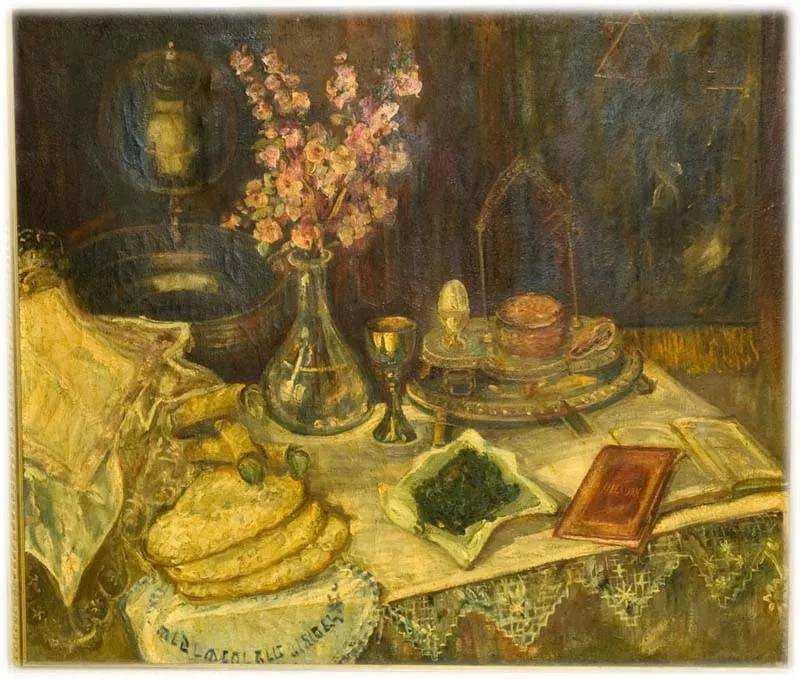
There is nothing in Jewish life quite like the Passover kitchen transformation. For eight days (seven in Israel), the entire household changes — different dishes come out of storage, the pantry is emptied and restocked, and every crumb of leavened bread is hunted down with the intensity of a forensic investigation. It is exhausting, exhilarating, and profoundly meaningful.
Cooking for Passover is both a spiritual practice and a practical challenge. The dietary restrictions are more demanding than regular kashrut, the meals are more elaborate (the Seder alone can take hours), and the ingredient substitutions require genuine creativity. But Passover cooking also connects families to tradition in the most tangible way possible — through the stomach.
This guide covers everything you need to know: what you cannot eat, what you can, how to prepare the Seder plate, and recipes that will make you forget you are missing flour and yeast.
Understanding Chametz
Chametz is any product made from five grains — wheat, barley, rye, oats, or spelt — that has come into contact with water and been allowed to ferment for more than 18 minutes. This includes:
- Bread, pasta, crackers, cereal, and most baked goods
- Beer and most grain-based alcohol (whiskey, vodka made from grain)
- Many processed foods that contain grain derivatives
- Even trace amounts — a crumb of bread in a can of soup renders it chametz
The prohibition is unusually strict. On Passover, chametz is not merely forbidden to eat — it is forbidden to own, to keep in your house, or to derive any benefit from. This is why the pre-Passover preparation is so thorough:
- Bedikat chametz — the ritual search for chametz, conducted the night before Passover with a candle, feather, and wooden spoon
- Biur chametz — burning the chametz found during the search
- Mechirat chametz — the legal “sale” of remaining chametz (sealed in a cabinet) to a non-Jewish person for the duration of the holiday, arranged through a rabbi
The paradox of Passover is that the one grain product you can eat is matzah — unleavened bread made from wheat and water. The difference? Matzah must be produced in 18 minutes or less, from the moment water touches flour to the moment it enters the oven. The speed prevents fermentation. Special shmurah matzah (“watched matzah”) is supervised from the moment of harvest to ensure no moisture contacts the grain.
The Kitniyot Debate
If you want to start a spirited debate at a Passover table, mention kitniyot.
Kitniyot — literally “legumes” — is a category that includes rice, corn, beans, lentils, peas, chickpeas, sesame seeds, peanuts, and other foods that Ashkenazi Jews have traditionally avoided on Passover. The prohibition originated in medieval Europe, where rabbis worried that kitniyot could be confused with chametz grains (they look similar) or might be processed in the same facilities.
Sephardi and Mizrachi Jews have never observed this restriction. For them, rice is not only permitted on Passover — it is essential. A Sephardi Passover table without rice would be like an Ashkenazi Seder without matzah ball soup. Persian Jews make elaborate rice dishes. Moroccan Jews eat couscous (which, being semolina, is actually chametz — but rice couscous is permitted). Iraqi Jews cook rice with dill and fava beans.
The difference has real practical consequences. Sephardi Passover cooking has a vastly wider range of ingredients to work with, resulting in a more varied and — some would argue — more enjoyable culinary experience. Ashkenazi cooks, working without rice, corn, or legumes, have had to be more creative with potatoes, eggs, matzah, and nuts.
In 2015, the Conservative movement’s Committee on Jewish Law and Standards ruled that Ashkenazi Jews may also eat kitniyot on Passover, noting that the original prohibition was a custom (minhag) rather than a law (halakha). This ruling was celebrated by some and ignored by many who felt that tradition should be preserved regardless of its technical legal status.
The Seder Plate
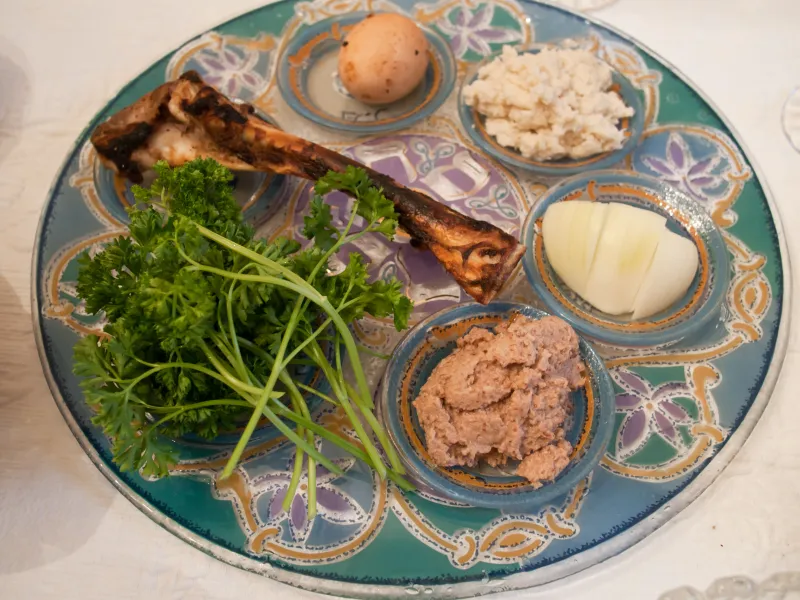
The Seder plate (ke’arah) holds six symbolic foods, each representing an aspect of the Exodus story:
- Zeroa (roasted shank bone) — representing the Passover sacrifice. Vegetarians often use a roasted beet.
- Beitzah (roasted egg) — symbolizing the festival sacrifice and mourning for the Temple. Hard-boil the egg, then roast it over a gas flame or in a hot oven until the shell browns.
- Maror (bitter herbs) — representing the bitterness of slavery. Usually fresh horseradish or romaine lettuce.
- Charoset — a sweet paste representing the mortar used by Israelite slaves. Recipes vary dramatically by community.
- Karpas (green vegetable) — parsley, celery, or boiled potato, dipped in salt water to recall tears.
- Chazeret (additional bitter herb) — often romaine lettuce, used for the “Hillel sandwich” with matzah and charoset.
Charoset: A World of Recipes
Charoset may be the most varied dish in all of Jewish cooking. Every community has its own version:
- Ashkenazi: Chopped apples, walnuts, cinnamon, and sweet red wine
- Sephardi (Turkish/Greek): Dates, walnuts, raisins, and wine
- Yemenite: Dates, sesame seeds, ginger, and chili pepper
- Persian: Apples, pistachios, almonds, pomegranate, and cardamom
- Italian: Chestnuts, pine nuts, orange peel, and cinnamon
- Egyptian: Dates, raisins, walnuts, and cinnamon with a brick-like consistency
Essential Passover Recipes
Matzah Ball Soup
The Ashkenazi Passover classic. Light and fluffy or dense and chewy — the eternal debate.
Ingredients:
- 4 eggs
- 1 cup matzah meal
- 1/4 cup schmaltz (rendered chicken fat) or oil
- 1/4 cup seltzer or chicken broth
- 1 teaspoon salt
- Pinch of white pepper
Instructions:
- Beat eggs. Mix in schmaltz, seltzer, salt, and pepper.
- Stir in matzah meal until just combined.
- Refrigerate at least 30 minutes (essential for light matzah balls).
- With wet hands, form walnut-sized balls.
- Drop into boiling salted water, cover, and simmer 30-40 minutes without lifting the lid (the steam is what makes them fluffy).
- Serve in chicken soup with carrots and dill.
The secret to fluffy matzah balls: seltzer in the batter, chilling the mixture, and never opening the pot while they cook.
Matzah Brei
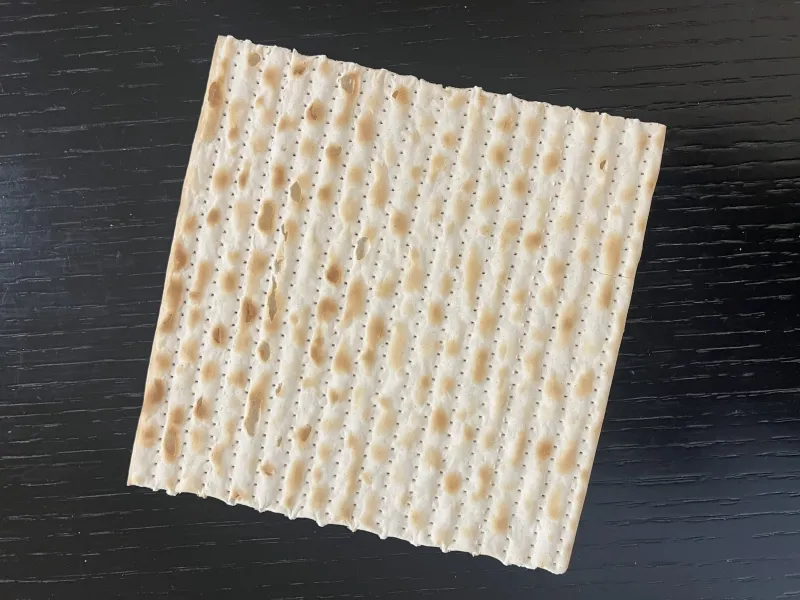
Passover breakfast at its best. Break matzah into pieces, soak briefly in water, drain, mix with beaten eggs, and fry in butter. The great debate: sweet (with cinnamon and maple syrup) or savory (with salt and pepper, maybe sauteed onions). The correct answer is both.
Potato Kugel
Grate potatoes and onions (or use a food processor), mix with eggs, salt, pepper, and a little potato starch, and bake in a hot oven until golden and crispy. This is Passover comfort food at its most primal.
Flourless Chocolate Cake
Passover’s gift to the dessert world. Without flour, these cakes rely on eggs (separated, with whites whipped to stiff peaks), high-quality chocolate, butter or oil, and sugar. The result is often better than regular chocolate cake — denser, more intensely chocolatey, and naturally gluten-free.
Basic ratio: 8 oz dark chocolate, 1/2 cup butter, 3/4 cup sugar, 6 eggs (separated), pinch of salt. Melt chocolate with butter, mix in yolks and sugar, fold in whipped whites. Bake at 350°F for 25-30 minutes.
Sephardi Passover Favorites
Sephardi Passover tables offer a different world of flavors:
- Mina (matzah pie) — layers of matzah filled with meat, spinach, or cheese, baked into a savory pie
- Huevos haminados — eggs slow-cooked overnight with onion skins, coffee grounds, and oil until the whites turn brown and creamy
- Keftes de prasa — leek patties made with matzah meal, a Turkish-Jewish specialty
- Rice with dill and fava beans — a Persian Jewish classic (for those who eat kitniyot)
- Coconut macaroons — a Passover dessert that has become universal
Practical Meal Planning
Passover lasts eight days (seven in Israel), which means approximately 16-24 meals depending on how you count. Planning ahead is not optional — it is survival.
Tips for managing the week:
- Cook in bulk before the holiday: soups, kugels, and stews freeze well
- Embrace simple meals for the non-Seder days: eggs, salads, baked potatoes, grilled fish, and fresh fruit require minimal effort
- Stock up on kosher-for-Passover staples: matzah meal, potato starch, Passover noodles, canned tuna, nut butters, and plenty of eggs
- Plan leftovers strategically: Seder brisket becomes day-two sandwiches (on matzah, of course)
- Remember that Passover ends: nobody needs to cook elaborate meals every night. Sometimes matzah with butter and a hard-boiled egg is exactly right
The Deeper Meaning
Passover cooking is not just about following rules. It is about experiencing the story. When you eat matzah — dry, flat, humble — you feel something of the haste of the Exodus. When you taste the bitter herbs, your eyes water and for a moment, just a moment, you know what bitterness means. When you eat charoset — sweet, rich, textured — you understand that even slave labor produced something, and that sweetness can exist within suffering.
The kitchen is where Passover becomes real. The theology of liberation is important. The recipes are what make it live in your body, your memory, and your family’s tradition.
“In every generation, a person is obligated to see themselves as though they personally came out of Egypt.” — Passover Haggadah
The table is set. The matzah is ready. The story is about to begin.
Frequently Asked Questions
What is chametz and why is it forbidden on Passover?
Chametz is any food product made from wheat, barley, rye, oats, or spelt that has been allowed to rise or ferment. During Passover, chametz is not only forbidden to eat but also to own or derive benefit from. This commemorates the Israelites' hasty departure from Egypt — they left so quickly that their bread dough had no time to rise. Before Passover, observant families conduct a thorough search (bedikat chametz) and burn any remaining chametz.
What are kitniyot and who avoids them?
Kitniyot ('legumes') include rice, corn, beans, lentils, peas, sesame, and peanuts. Ashkenazi Jews traditionally avoid kitniyot on Passover due to a medieval ruling that they might be confused with chametz grains. Sephardi and Mizrachi Jews have always eaten kitniyot on Passover. In 2015, the Conservative movement's Committee on Jewish Law ruled that Ashkenazi Jews may also eat kitniyot, though many continue the traditional practice.
Can I use regular flour on Passover?
No — regular flour is chametz. For Passover baking, use matzah meal (ground matzah), matzah cake meal (finely ground matzah), potato starch, almond flour, or coconut flour. These substitutes behave differently from regular flour, so Passover baking often requires different techniques. Egg whites and potato starch are key to achieving lightness in Passover cakes and pastries.
Sources & Further Reading
- My Jewish Learning — Passover Food ↗
- Chabad.org — Passover Guide ↗
- Joan Nathan's Jewish Holiday Cooking
- Claudia Roden, The Book of Jewish Food
Related Articles
Kashrut: The Jewish Dietary Laws
More than just 'no pork' — kashrut is a comprehensive system that transforms eating into a sacred act.
Passover (Pesach): The Festival of Freedom
The story of the Exodus comes alive each spring as Jewish families gather for the Seder — the most widely observed Jewish ritual.
Sephardic Cuisine: The Mediterranean Flavors of Jewish Cooking
Spiced, vibrant, and sun-drenched — Sephardic cuisine draws from the kitchens of Spain, Turkey, Morocco, and the Middle East, creating a Jewish food tradition that rivals any in the world.