Babka Recipe: Chocolate, Cinnamon, and the Perfect Twist
Rich, swirled, and impossibly good — master the art of chocolate babka with this step-by-step recipe, plus cinnamon and other variations from its Eastern European origins.
The Seinfeld Defense
There is a famous Seinfeld episode where Elaine waits in an interminable line at a bakery for a chocolate babka, only to discover they have run out. She is forced to settle for cinnamon babka, leading to the immortal line: “Cinnamon takes a back seat to no babka.” The joke landed because every Jewish viewer already knew what babka was, and every non-Jewish viewer immediately wanted to try it.
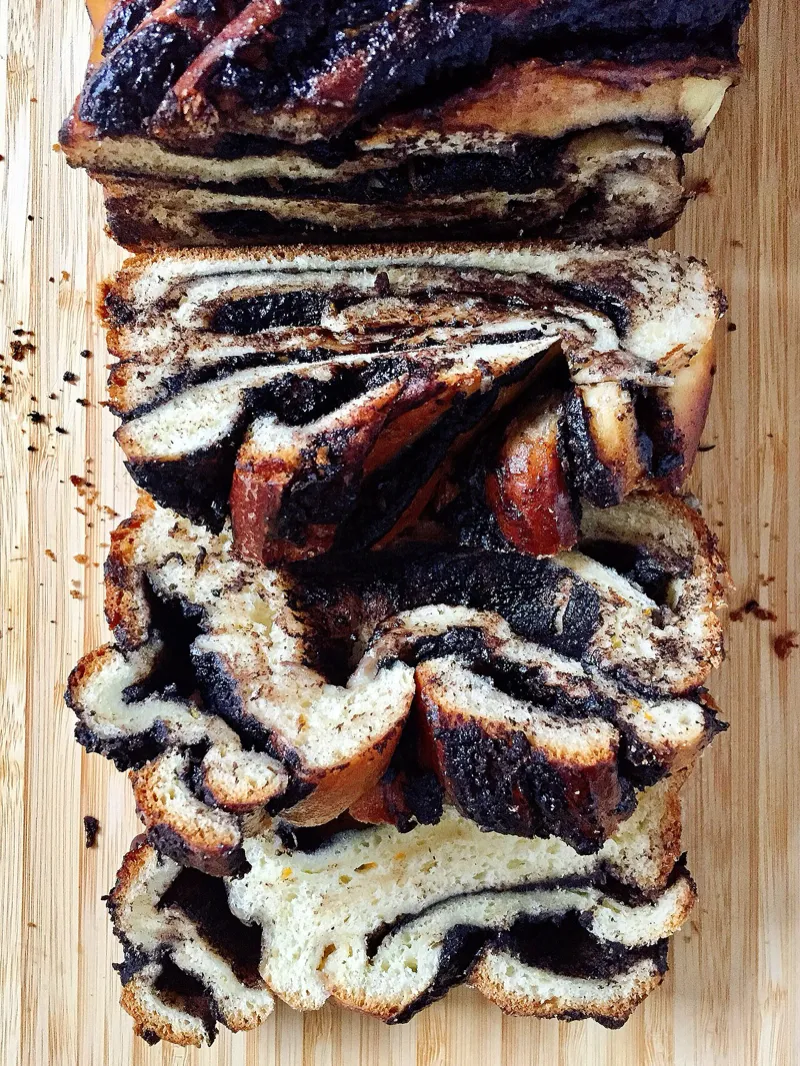
Here is the truth Jerry and Elaine were too busy arguing to notice: both are magnificent. Chocolate babka is rich and indulgent, with dark swirls of ganache threaded through buttery dough. Cinnamon babka is warm and aromatic, with ribbons of sugar and spice. The only wrong answer is no babka at all.
Origins in the Old Country
Babka was born in the Jewish communities of Eastern Europe, likely Poland or Ukraine. The name comes from babcia, the Polish word for grandmother — a fitting origin for a bread that feels like an act of love. The original babkas were humbler than today’s versions, made with leftover challah dough and whatever filling was at hand: cinnamon, jam, streusel.
When Jewish immigrants brought babka to America, it evolved. Chocolate became the dominant filling, the dough grew richer, and the signature twist technique turned each loaf into a work of edible architecture. In the 2010s, babka experienced a full-blown renaissance, with bakeries like Breads Bakery in New York creating lines around the block and food magazines declaring it the greatest baked good in the world. They were not wrong.
The Recipe: Chocolate Babka
Yield: 2 loaves Prep time: 40 minutes Rise time: 3 hours total Bake time: 35–40 minutes
Dough Ingredients
- 4 cups all-purpose flour
- ⅓ cup sugar
- 2¼ teaspoons instant yeast (1 packet)
- ½ teaspoon salt
- ½ cup whole milk, warm
- 3 large eggs
- 1 teaspoon vanilla extract
- ½ cup (1 stick) unsalted butter, softened and cut into pieces
Chocolate Filling
- 7 oz semi-sweet or bittersweet chocolate, finely chopped
- ½ cup (1 stick) unsalted butter
- ½ cup powdered sugar
- 3 tablespoons cocoa powder
Sugar Syrup
- ½ cup sugar
- ½ cup water
Instructions
1. Make the dough. In a stand mixer with the dough hook, combine the flour, sugar, yeast, and salt. Add the warm milk, eggs, and vanilla. Mix on low until a shaggy dough forms, then increase to medium and knead for 5 minutes. Add the butter a few pieces at a time, waiting until each addition is absorbed. Continue kneading for 8–10 minutes until the dough is smooth, elastic, and slightly tacky.
2. First rise. Place the dough in a greased bowl, cover, and let rise for 1½–2 hours until doubled.
3. Make the filling. Melt the chocolate and butter together in a double boiler or microwave (30-second intervals, stirring between each). Whisk in the powdered sugar and cocoa powder until smooth. Let cool to a spreadable consistency.
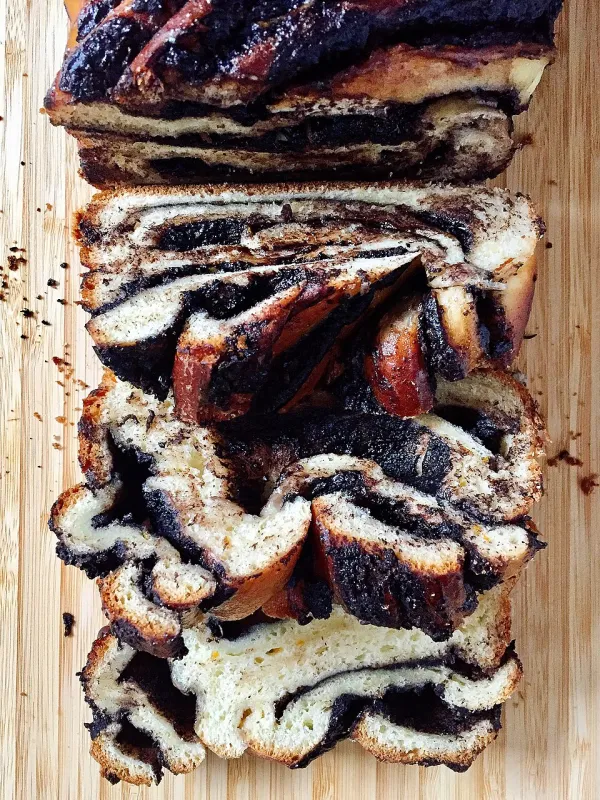
4. Shape. Divide the dough in half. Roll each half into a rectangle about 12x18 inches. Spread the chocolate filling evenly over the surface, leaving a ½-inch border. Roll up tightly from the long side, like a jelly roll. Using a sharp knife, cut the roll in half lengthwise, exposing the filling layers. With the cut sides facing up, twist the two strands around each other, keeping the layers exposed. Transfer to a greased 9x5 loaf pan.
5. Second rise. Cover and let rise for 1 hour until puffy.
6. Bake. Preheat to 350°F (175°C). Bake for 35–40 minutes until deep golden brown and an internal temperature of 185°F (85°C).
7. Syrup. While the babka bakes, simmer the sugar and water until dissolved. Brush the hot babka generously with the syrup the moment it comes out of the oven. This is non-negotiable — the syrup keeps the babka moist and adds a beautiful sheen.
Cinnamon Babka
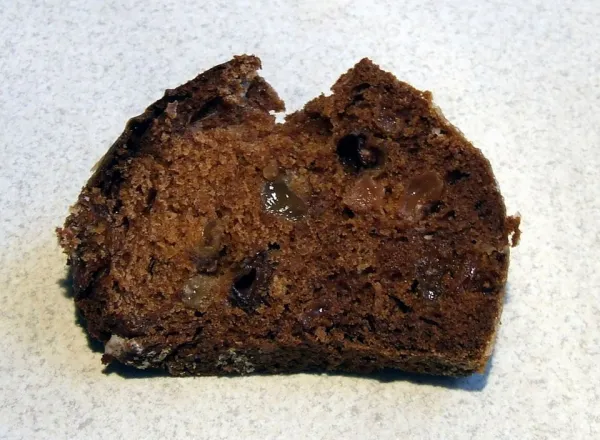
Replace the chocolate filling with: ¾ cup brown sugar, 2 tablespoons cinnamon, ½ cup melted butter, and ½ cup finely chopped walnuts. Mix into a paste and spread on the rolled dough. Follow the same twisting and baking technique. For extra decadence, add a streusel topping: ½ cup flour, ¼ cup sugar, ¼ cup cold butter, pinched into crumbs.
The Twist Technique
Do not overthink the twist. Cut the filled roll lengthwise. Lay the halves next to each other, cut sides up. Cross one over the other, alternating, like a very loose braid. Tuck the ends under. It will look messy. It will bake beautifully. The exposed layers of filling are what make babka so visually stunning — and so irresistible.
Why Babka Matters
Babka is Jewish baking at its most generous. It takes time and attention, but the reward — a golden, swirled, impossibly rich bread that fills the kitchen with the smell of chocolate and butter — is worth every minute. Bring one to Shabbat dinner and watch it become the most talked-about thing on the table.
And for the record: cinnamon does not take a back seat. It rides shotgun.
Frequently Asked Questions
What is the difference between babka and challah?
Both use an enriched yeast dough with eggs and butter (or oil), but babka is richer, sweeter, and filled with chocolate, cinnamon, or other swirled fillings. Challah is braided and typically unfilled. Babka dough contains more sugar and butter, giving it a brioche-like texture. Think of babka as challah's indulgent cousin.
Why does my babka come out dry?
The most common causes are too much flour in the dough and overbaking. The dough should be slightly sticky and tacky — resist the urge to add extra flour. Bake until a thermometer reads 185°F (85°C) in the center. Also, brush with sugar syrup while still hot; this adds moisture and sweetness that keeps the babka tender for days.
Can you make babka with a stand mixer?
Yes, and it is recommended. Babka dough is sticky and enriched, making it challenging to knead by hand. Use the dough hook on medium speed for 8-10 minutes until the dough is smooth and elastic, pulling away from the bowl sides. The stand mixer makes the process much more manageable.
Sources & Further Reading
- Gil Marks, Encyclopedia of Jewish Food
- My Jewish Learning — Babka History ↗
- Breads Bakery — The Art of Babka ↗
Related Articles
Bagels: A Jewish History of the World's Favorite Roll
From 17th-century Krakow to modern Manhattan, the bagel's journey from humble Jewish bread to global breakfast icon is a story of immigration, ingenuity, and fierce debate about what counts as the real thing.
Classic Challah Recipe: How to Bake the Perfect Shabbat Bread
Golden, braided, and impossibly fragrant — learn to bake the perfect challah with this traditional recipe, plus variations for holidays and special occasions.
Shabbat Foods: A Culinary Journey Through the Day of Rest
From Friday night chicken soup to Saturday afternoon cholent — discover the beloved dishes that make Shabbat the most delicious day of the week.