Shabbat Foods: A Culinary Journey Through the Day of Rest
From Friday night chicken soup to Saturday afternoon cholent — discover the beloved dishes that make Shabbat the most delicious day of the week.
The Most Delicious Day of the Week
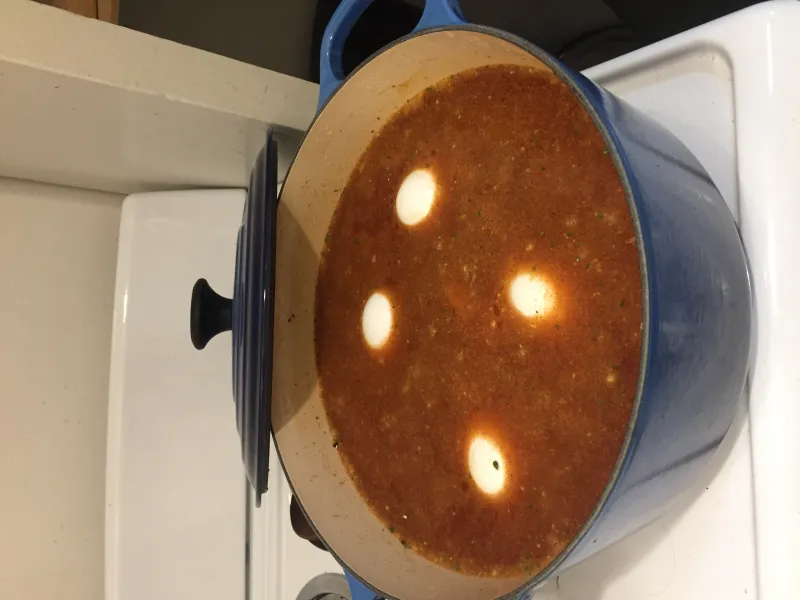
Open the lid of a cholent pot on Saturday morning, after it has been simmering since Friday afternoon, and the aroma that rises is unlike anything else in the kitchen — deep, rich, meaty, and impossibly concentrated. Eighteen hours of slow cooking have transformed humble ingredients — beans, barley, potatoes, a piece of brisket — into something that smells like home itself. In Sephardi households, the equivalent is the dafina or hamin, and the scent is different — cumin, turmeric, cinnamon — but the effect is the same. The house smells like Shabbat. There is no other way to describe it.
If you want to understand Jewish culture through food, start with Shabbat. Every Friday evening, as the sun sets, Jewish families around the world sit down to a meal that is not merely dinner — it is a weekly celebration, a ritual feast, and for many, the best meal of the entire week.
Shabbat food traditions vary enormously across communities, but the underlying principle is universal: the day of rest should be honored with the finest food a family can prepare. The Talmud teaches that one should eat three meals on Shabbat, each one special. Over the centuries, distinctive dishes have evolved for each of these meals, creating a culinary rhythm that mirrors the spiritual rhythm of the day.
Friday Night: The Grand Meal
Challah
The Shabbat table begins with two loaves of challah, the golden braided bread that symbolizes the double portion of manna God provided in the wilderness. The blessing over bread (hamotzi) is recited, the challah is torn or sliced, dipped in salt, and shared. Everything that follows rests on this foundation.
Chicken Soup
If any food deserves the title “Jewish penicillin,” it is chicken soup — golden, fragrant, and deeply restorative. Ashkenazi Friday night dinner almost invariably features a clear chicken broth, often served with matzah balls (kneidlach), egg noodles (lokshen), or kreplach (filled dumplings). The soup is typically made from a whole chicken simmered with carrots, celery, onions, dill, and parsley.
Sephardi communities have their own Friday night soups — Moroccan Jews may serve harira or a spiced chickpea soup, while Yemenite families prepare a rich bone broth seasoned with hawaij, a blend of cumin, turmeric, cardamom, and black pepper.
Gefilte Fish
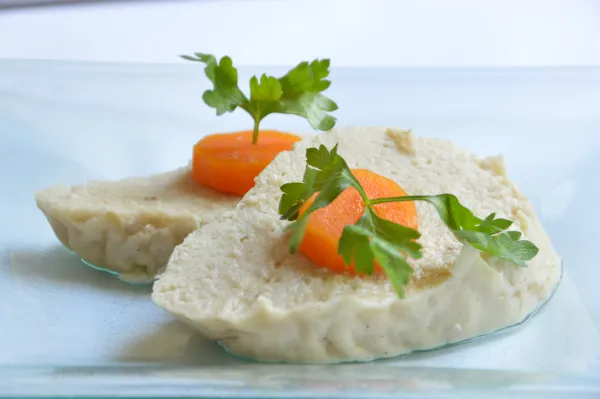
Gefilte fish — poached balls or loaves of ground freshwater fish (traditionally carp, pike, and whitefish) — is one of the most iconic Ashkenazi Shabbat dishes. The name means “stuffed fish” in Yiddish, referring to the original preparation where the fish mixture was stuffed back into the fish skin.
Gefilte fish was a practical invention: by removing the bones during preparation, it avoided the prohibition against borer (sorting) on Shabbat. It is served cold, typically with a slice of carrot on top and a generous dollop of fiery chrein (horseradish).
Gefilte fish may be the most divisive food in the Jewish world. People either love it or dread it. Much depends on whether you grew up eating homemade gefilte fish (often excellent) or the jarred commercial variety (an acquired taste, to put it kindly).
The Main Course
The centerpiece of Friday night dinner varies by community:
- Ashkenazi: Roast chicken is the classic choice, often seasoned simply with salt, pepper, garlic, and paprika. Brisket — slow-cooked until fork-tender — is the alternative for special occasions.
- Sephardi: Moroccan Jews may serve dafina components or tagine-style chicken with preserved lemons and olives. Iraqi Jews prepare t’bit, a chicken and rice dish slow-cooked overnight. Persian Jews might offer tahdig — crispy saffron rice — alongside herb-laden stews.
- Yemenite: A rich meat soup called shurba or spiced meat with jachnun and other breads.
Side Dishes
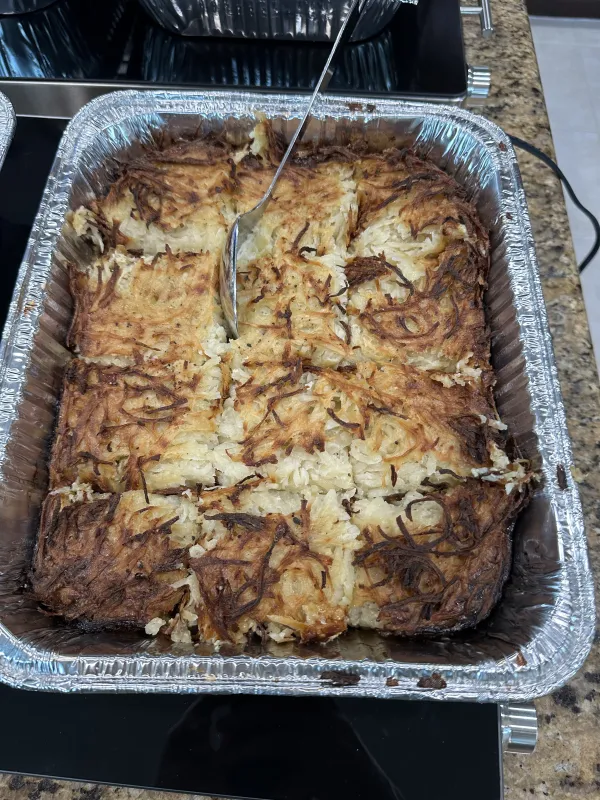
Classic Ashkenazi sides include kugel (a baked pudding, either savory potato or sweet noodle), tzimmes (a sweet stew of carrots, sweet potatoes, and dried fruit), roasted root vegetables, and coleslaw or pickled salads.
Sephardi sides range from couscous and roasted vegetables to an array of small salads — matbucha (cooked tomato and pepper salad), harissa-spiced carrots, and chopped salads with lemon and olive oil.
Saturday Lunch: The Cholent Meal
Because Jewish law (kashrut and Shabbat rules) prohibits cooking on Shabbat, the Saturday midday meal presented a creative challenge: how do you serve hot food without lighting a fire? The answer, perfected over centuries, is the slow-cooked Shabbat stew — a dish placed on the fire before sundown on Friday and left to cook overnight.
Cholent
Cholent (from the Old French chaud-lent, “warm-slow”) is the Ashkenazi version. A hearty, dense stew of beef, potatoes, barley, beans, and onions, it cooks for twelve or more hours until everything melds into a rich, deeply satisfying mass. Some versions include kishke (stuffed intestine or a vegetarian substitute), eggs cooked until brown (haminados), or marrow bones.
Cholent is not delicate food. It is stick-to-your-ribs, afternoon-nap-inducing food — and it is beloved precisely for that. The aroma that fills the house on Shabbat morning as the cholent finishes its long, slow transformation is one of the most evocative scents in Jewish life.
Sephardi Equivalents
Every Sephardi community has its own overnight stew:
- Hamin or dafina (Moroccan): A stew of meat, chickpeas, potatoes, whole eggs, and wheat berries, often seasoned with cumin, turmeric, and cinnamon.
- T’bit (Iraqi): Chicken stuffed with rice and spices, slow-cooked overnight.
- Skhina (Algerian and Tunisian): Similar to dafina, with regional variations in spicing.
The principle is the same everywhere: prepare before Shabbat, cook low and slow, and enjoy a hot meal without violating the day’s rest.
Seudah Shlishit: The Third Meal
The seudah shlishit (third meal) takes place on Saturday afternoon, between the afternoon and evening services. It is typically a lighter, more contemplative meal — bread or challah with salads, fish, dips, and perhaps some cake. The mood is quieter and more reflective as Shabbat draws toward its close.
In Hasidic communities, the third meal is a particularly spiritual occasion, often eaten in dim light as the sun sets, accompanied by slow, haunting melodies (niggunim) and words of Torah from the rebbe.
Melaveh Malkah: Escorting the Queen
After Shabbat ends on Saturday night, some communities observe Melaveh Malkah (“escorting the queen”) — a post-Shabbat meal that bids farewell to the Shabbat “queen.” Light foods, singing, and storytelling characterize this gathering, easing the transition from the sacred day back into the ordinary week.
More Than Nourishment
Shabbat food is never just about eating. Every dish carries memory — a grandmother’s recipe, a community’s history, a theological idea made tangible. The challah recalls the manna in the desert. The cholent solves a religious problem with culinary ingenuity. The chicken soup restores body and soul alike.
To sit at a Shabbat table is to taste centuries of Jewish life in every bite.
Frequently Asked Questions
What are the traditional foods served on Shabbat?
Friday night typically features challah, wine for kiddush, chicken soup, and a main course like roast chicken. Saturday lunch centers on cholent — a slow-cooked stew kept warm overnight — along with kugel and salads.
Why is cholent the classic Shabbat lunch dish?
Since cooking is forbidden on Shabbat, cholent is prepared before sundown Friday and left to simmer overnight on a covered flame or hot plate. The long, slow cook transforms simple ingredients into a rich, hearty stew.
Do Sephardi Jews eat different Shabbat foods?
Yes. Sephardi and Mizrahi communities have their own Shabbat traditions — dafina or hamin instead of cholent, kubaneh or jachnun bread, and dishes spiced with cumin, turmeric, and cinnamon rather than the milder Ashkenazi palette.
Sources & Further Reading
- Sefaria — Jewish Texts ↗
- The Nosher (JTA) ↗
- Joan Nathan's Jewish Cooking
Related Articles
Challah: The Bread of Shabbat
Golden, braided, and fragrant — challah is the crown jewel of the Shabbat table and a beloved symbol of Jewish life.
Classic Challah Recipe: How to Bake the Perfect Shabbat Bread
Golden, braided, and impossibly fragrant — learn to bake the perfect challah with this traditional recipe, plus variations for holidays and special occasions.
Kashrut: The Jewish Dietary Laws
More than just 'no pork' — kashrut is a comprehensive system that transforms eating into a sacred act.
Matzo Ball Soup: The Jewish Comfort Food
Called 'Jewish penicillin' for good reason — matzo ball soup is the ultimate comfort food, a golden chicken broth with fluffy (or dense) dumplings that warm the soul.
Sephardic Cuisine: The Mediterranean Flavors of Jewish Cooking
Spiced, vibrant, and sun-drenched — Sephardic cuisine draws from the kitchens of Spain, Turkey, Morocco, and the Middle East, creating a Jewish food tradition that rivals any in the world.
Shabbat: The Weekly Day of Rest
Every week, Jewish life pauses for 25 hours of rest, reflection, and togetherness — discover the beauty of Shabbat.