Yom Kippur: The Complete Guide to the Day of Atonement
A comprehensive guide to Yom Kippur — the 25-hour fast, Kol Nidre, the five prayer services, the prohibitions, confession, and why the holiest day is also the most hopeful.
The Holiest Day
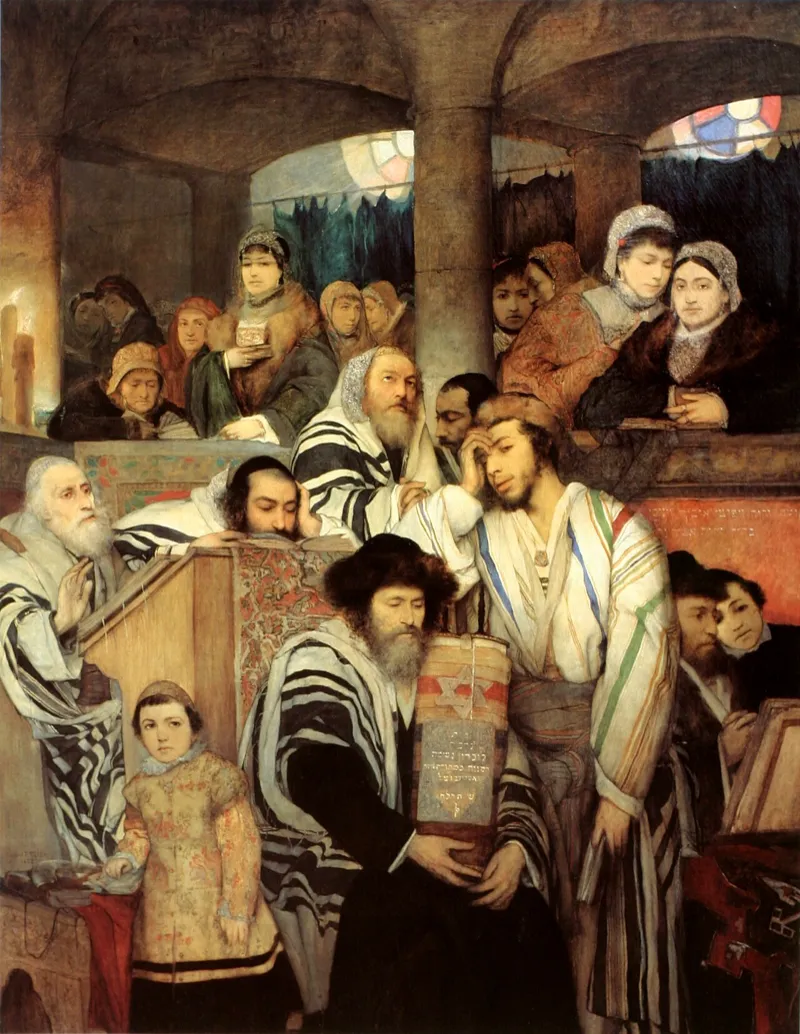
If Judaism has a center of gravity — a single day around which the entire year revolves — it is Yom Kippur. The Day of Atonement. The day when, according to tradition, the books of judgment are sealed, sins are forgiven, and the slate is wiped clean.
For approximately 25 hours, from before sunset on the 9th of Tishrei until after nightfall on the 10th, observant Jews abstain from food, water, bathing, leather shoes, anointing with oils, and marital relations. Synagogues are filled to overflowing — even Jews who attend no other service during the year come for Kol Nidre. The Torah scrolls are dressed in white. The rabbi and cantor wear white robes (kittels). The air is thick with prayer, confession, and longing.
And yet, for all its solemnity, the Talmud calls Yom Kippur one of the happiest days of the Jewish year. Because forgiveness — real, complete, transformative forgiveness — is a form of joy.
Quick Facts About Yom Kippur
- Hebrew name: Yom Kippur (“Day of Atonement”)
- Duration: 25 hours of fasting (sunset to nightfall)
- Date: 10th of Tishrei (usually September/October)
- Biblical name: Yom HaKippurim (“Day of the Atonements”)
- Prayer services: 5 services (Maariv, Shacharit, Musaf, Mincha, Ne’ilah)
- Confessions: 10 Al Chet confessions recited throughout the day
- Prohibitions: 5 main restrictions (eating, drinking, bathing, leather shoes, marital relations)
- Kol Nidre: Chanted 3 times with increasing intensity at service opening
- Attendance: Highest synagogue attendance of the year (90%+ of affiliated Jews)
- Talmudic tractate: Entire Tractate Yoma (88 pages) devoted to Yom Kippur laws
- Temple service: 16 immersions and 10 sanctifications by High Priest historically
- Ne’ilah service: Only prayer service unique to one day in Jewish calendar
- Shofar finale: Single long blast (tekiah gedolah) marks the end of fast
Before Yom Kippur: Preparation
Seeking Forgiveness From Others
Jewish law is explicit: Yom Kippur atones for sins between a person and God. It does not atone for sins between people — not until the wronged party has been asked for forgiveness. The days before Yom Kippur are therefore a time of reaching out — calling the friend you hurt, apologizing to the colleague you wronged, resolving conflicts that have festered.
The tradition requires asking forgiveness three times. If the injured party refuses after three sincere attempts, the obligation is considered fulfilled.
Kapparot
Some communities practice kapparot — swinging a chicken (or, in modern alternatives, money) over one’s head while reciting a prayer transferring one’s sins to the chicken. The custom is ancient and controversial — Maimonides opposed it, and many modern Jews have replaced the chicken with coins that are donated to charity.
The Meal Before the Fast (Seudah Mafseket)
The final meal before the fast is eaten in the late afternoon on Erev Yom Kippur. It is typically simple and bland — avoiding salty or spicy foods that would increase thirst. Many families serve chicken soup, plain chicken, rice or noodles, and water.
Candles are lit (as on Shabbat), including a yahrzeit candle that burns for 24 hours in memory of deceased family members. Many people light a personal candle as well — a symbol of the soul, which the Torah compares to a flame.
The Five Services
Yom Kippur is the only day in the Jewish year with five prayer services. Each has its own character and intensity.
1. Kol Nidre (Evening)
Yom Kippur begins with Kol Nidre — a legal formula annulling vows — chanted three times before sunset. The melody is one of the most famous in all of Jewish music: mournful, searching, and unbearably beautiful. Torah scrolls are removed from the ark and held by congregants, creating the sense of a sacred court.
The evening service that follows includes the first of many recitations of the Vidui (confession).
2. Shacharit (Morning)
The morning service includes an extended Torah reading from Leviticus 16 (describing the ancient Yom Kippur Temple service) and a Haftarah from Isaiah 57–58 — in which the prophet thunders that fasting without justice is meaningless: “Is this the fast I have chosen?… Let the oppressed go free!“
3. Musaf (Additional Service)
The Musaf includes the Avodah — a dramatic reenactment of the High Priest’s Yom Kippur service in the ancient Temple. The congregation hears how the High Priest entered the Holy of Holies — the only person, on the only day of the year, who could enter — and pronounced the ineffable Name of God. At this point in the service, the congregation prostrates itself on the floor — one of the only occasions Jews bow fully to the ground.
The Musaf also includes the Eleh Ezkerah — a martyrology commemorating ten rabbis executed by the Romans. The text is devastating and serves as a reminder that atonement has a cost, and that Jewish history includes suffering that defies easy meaning.
4. Mincha (Afternoon)
The afternoon service includes the reading of the book of Jonah — the story of a prophet who tries to run from God, is swallowed by a great fish, and ultimately delivers God’s message of repentance to the city of Nineveh. The moral: no one can escape God’s call, and even the most wicked can repent.
5. Ne’ilah (Closing)
Ne’ilah — “the closing of the gates” — is unique to Yom Kippur. It takes place in the final hour before nightfall, when, according to tradition, the gates of heaven begin to close and the verdict is sealed.
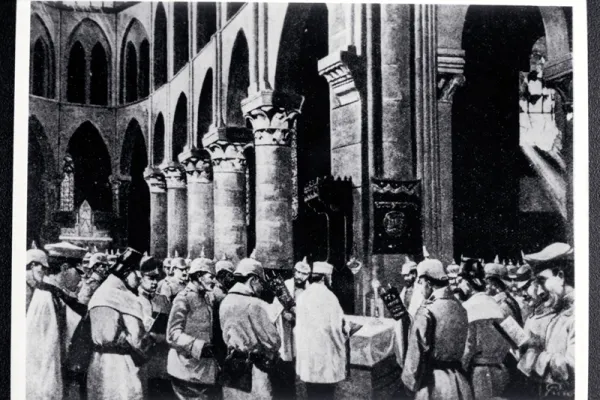
The language shifts from “inscribe us” (in the Book of Life) to “seal us” — the time for writing is past; now the seal is being pressed. The congregation, exhausted from fasting and hours of prayer, summons its final reserves of spiritual energy.
Ne’ilah ends with three declarations:
- Shema Yisrael — “Hear, O Israel, the Lord our God, the Lord is One” (once)
- Baruch Shem — “Blessed is the name of His glorious kingdom forever and ever” (three times)
- Hashem Hu HaElokim — “The Lord is God” (seven times)
A single, long blast of the shofar — tekiah gedolah — sounds. The fast is over.
“L’shanah ha’ba’ah b’Yerushalayim!” — “Next year in Jerusalem!”
The Vidui: Confession
The Vidui (confession) is recited ten times over the course of Yom Kippur. It consists of two main sections:
- Ashamnu — an alphabetical acrostic of sins (“We have been treacherous, we have stolen, we have spoken slander…”)
- Al Chet — a longer, more detailed confession (“For the sin we have committed before You through speech… through arrogance… through denial…”)
The confession is always in the plural (“we have sinned”) — because the community bears collective responsibility. Even if you personally did not commit a particular sin, you confess it because your community did, and you are part of your community.
The Five Prohibitions
On Yom Kippur, five pleasures are prohibited:
- Eating and drinking — the core of the fast
- Bathing — washing for pleasure (medical or hygienic washing is permitted)
- Anointing with oils or lotions
- Wearing leather shoes — many wear canvas or rubber shoes
- Marital relations
These prohibitions are understood as expressions of self-denial — on this day, we set aside physical comfort to focus entirely on the spiritual.
Breaking the Fast
After the shofar sounds and Ma’ariv (the evening service) is recited, families gather for a festive break-fast meal. Traditional break-fast menus vary: Ashkenazi families often serve bagels, lox, cream cheese, and kugel. Sephardi families may serve lighter fare — eggs, pastries, and warm beverages.
The atmosphere is light, relieved, even euphal. The heaviest day of the year is behind you. The new year stretches ahead, clean and open. And in some communities, the first act after Yom Kippur is to drive a nail for the sukkah — because the next holiday, Sukkot, begins just five days later.
Why This Day Matters
Yom Kippur is not about wallowing in guilt. It is about the radical belief that human beings can change. That the past does not have to define the future. That mistakes — even serious ones — can be acknowledged, atoned for, and transcended.
The tradition teaches that teshuvah (repentance) done out of love transforms sins into merits — because the very experiences that led you astray become the motivation for return. This is one of the most generous ideas in all of religious thought: your failures, honestly confronted, become your strengths.
And so the holiest day of the Jewish year ends not with sadness but with hope — with a single shofar blast that says: the gates may be closing, but they are not closed. There is still time. There is always time.
Frequently Asked Questions
Who must fast on Yom Kippur?
All Jewish adults (over bar/bat mitzvah age) are obligated to fast for approximately 25 hours, from before sunset until after nightfall the following day. Exceptions are made for those whose health would be endangered — pregnant women with complications, people with diabetes or other serious conditions, and anyone whose life would be at risk. Jewish law is emphatic: pikuach nefesh (saving life) overrides fasting.
What is said during Kol Nidre?
Kol Nidre is a legal formula — not technically a prayer — that annuls personal vows made between the individual and God. It is chanted three times, with increasing volume, as Yom Kippur begins. Its haunting melody is one of the most recognizable in Jewish music. The formula does NOT annul promises or obligations made to other people.
What happens at the end of Yom Kippur?
Yom Kippur concludes with the Ne'ilah service — 'the closing of the gates.' This final service, unique to Yom Kippur, represents the last opportunity for repentance before the divine judgment is sealed. It ends with a single, long blast of the shofar (tekiah gedolah) and the communal declaration: 'Next year in Jerusalem!' The fast is then broken.
Test Your Knowledge
Think you know this topic? Try our quiz!
Take the Jewish Holidays: Advanced Quiz →Key Terms
Sources & Further Reading
Related Articles
Kol Nidre: The Most Famous Jewish Prayer
Kol Nidre — chanted three times on the eve of Yom Kippur — is the most recognizable melody in Judaism. Explore the Aramaic text that annuls vows, the haunting melody that moved Max Bruch, and the controversy that followed Jews for centuries.
Why Jews Fast on Yom Kippur
The 25-hour Yom Kippur fast is commanded in the Torah as part of afflicting your soul — a physical expression of repentance that strips away bodily needs to focus entirely on spiritual renewal.
Yom Kippur: The Day of Atonement
The holiest day in the Jewish calendar — a 25-hour fast devoted to prayer, repentance, and spiritual renewal.