Oaths and Vows in Judaism: Why Words Are Sacred
Why Judaism takes spoken words so seriously — the power of oaths and vows, the difference between neder and shvua, the Kol Nidre prayer, and the Nazir vow.

The Weight of a Word
In a world of casual promises, broken commitments, and terms of service no one reads, Judaism’s attitude toward spoken words can seem almost alien. Jewish law treats a vow or oath as a binding contract — not merely a social convention but a spiritual obligation with cosmic consequences. “When a person makes a vow to God or takes an oath imposing an obligation on themselves,” the Torah states, “they shall not break their word. They shall do according to everything that comes out of their mouth” (Numbers 30:3).
This is not a suggestion. It is a commandment. And the seriousness with which Judaism treats it reveals something profound about how the tradition understands language itself: words are not mere sounds. They are acts. They create reality. When God spoke the world into existence — “Let there be light” — speech became the fundamental creative force. Human speech, made in the image of divine speech, carries a similar power, however diminished.
”Do Not Take God’s Name in Vain”
The third of the Ten Commandments is often misunderstood as a prohibition against cursing. Its meaning is far deeper. Lo tisa et shem Hashem Elokekha lashav — “You shall not carry the name of the Lord your God in vain” — prohibits using God’s name to support a false oath. If you swear by God’s name that something is true and it is not, or that you will do something and you do not, you have not merely lied — you have desecrated the divine name.
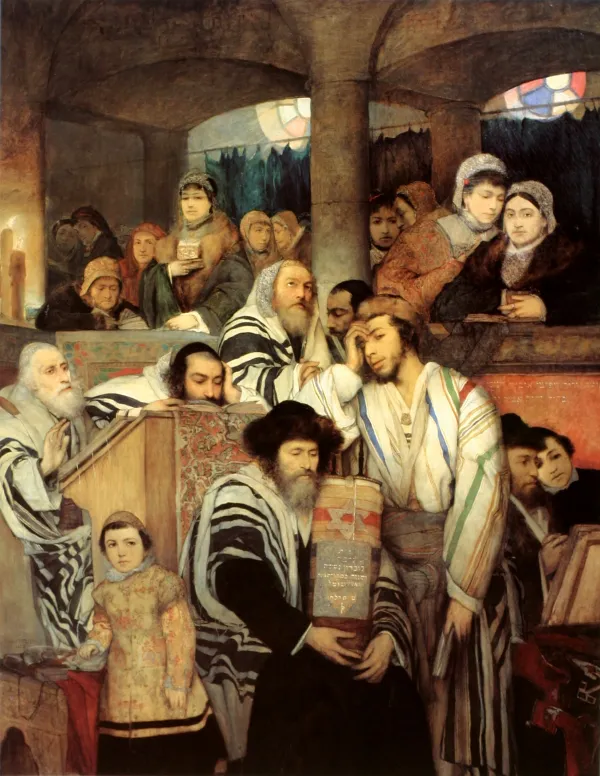
The rabbis extended this principle broadly. They taught that even a casual “I swear” or “I promise” carries weight. Maimonides classified false oaths as one of the sins for which the heavenly court is most strict, because they undermine trust in both human and divine communication.
Neder and Shvua: Two Types of Sacred Speech
Jewish law distinguishes between two categories of binding speech:
A neder (vow) creates a prohibition on an object. “This food is like a sacrifice to me” — meaning, I may not eat it, just as I may not consume a Temple offering for personal use. The vow attaches to the thing.
A shvua (oath) creates an obligation on the person. “I swear I will not eat this food” — the prohibition attaches to you, not to the food.
The distinction sounds technical, but it has practical consequences. A neder can be annulled more easily than a shvua. Both, however, are treated with extreme gravity. The Talmud in Tractate Nedarim dedicates eleven chapters to the laws of vows — their formulation, their force, their limitations, and the procedures for annulling them when they become unsustainable.
The Nazir Vow: Holiness Through Restriction
One of the most dramatic vows in the Torah is the Nazir (Nazirite) vow, described in Numbers 6. A person who takes this vow commits to three restrictions for a specified period:
- No grape products — not just wine, but vinegar, grape juice, and even fresh grapes
- No haircuts — the hair grows freely as a sign of consecration
- No contact with the dead — even for a close family member
The most famous Nazirite in the Bible is Samson, whose uncut hair was the source of his strength. The prophet Samuel may also have been a Nazirite from birth.
The Talmud’s attitude toward the Nazir is ambivalent. On one hand, the Nazir is called “holy” (kadosh). On the other hand, the Nazir must bring a sin offering at the end of the vow — and Rabbi Elazar HaKappar asks why. His answer: because the Nazir denied themselves the pleasures God permitted. Judaism is not an ascetic religion. Unnecessary self-denial is itself a kind of sin.
Kol Nidre: The Prayer That Undoes Promises
The holiest night of the Jewish year — the eve of Yom Kippur — opens not with a prayer but with a legal declaration. Kol Nidre (“All Vows”) is a formula that annuls vows made rashly, under pressure, or without full understanding.
The text is simple and repetitive: “All vows, obligations, oaths… that we may vow, swear, or bind ourselves to from this Day of Atonement until the next… we regret them all. They shall be absolved, released, annulled, made void, and of no effect.”
Kol Nidre has been controversial throughout Jewish history. Some rabbis tried to eliminate it, arguing that it gave outsiders the impression that Jewish oaths were untrustworthy. But the prayer survived — partly because of its haunting melody (one of the most famous in all of Jewish liturgy), and partly because it speaks to a universal human experience: we make promises we cannot keep, and we need a way to honestly acknowledge that failure.
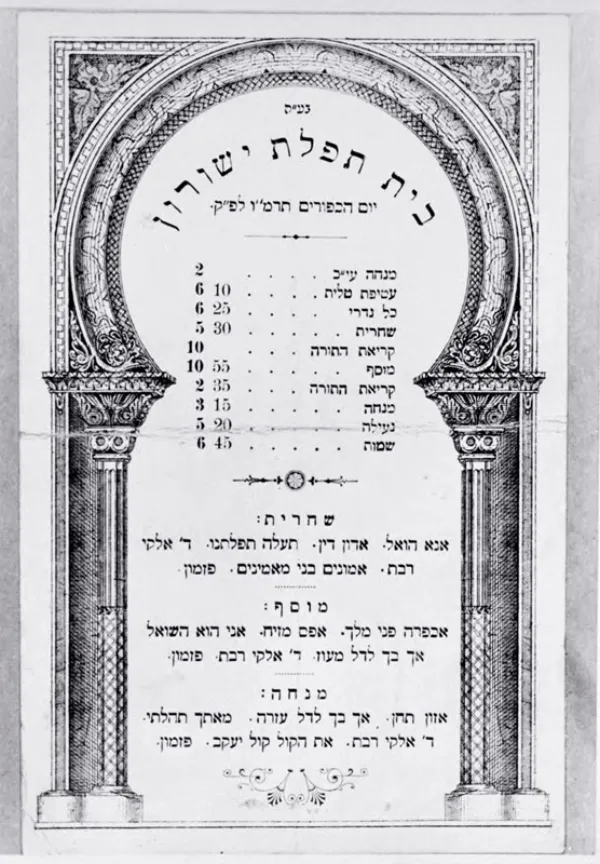
It is crucial to understand what Kol Nidre does not do: it does not annul promises made to other people. If you owe someone money, if you committed to helping a friend, if you signed a contract — Kol Nidre has no effect on these obligations. It addresses only vows between a person and God.
Hatarat Nedarim: The Annulment Ceremony
Jewish law provides a formal mechanism for releasing a person from a vow they can no longer keep. In the hatarat nedarim ceremony, the person appears before a panel of three knowledgeable Jews and explains: “I made this vow without fully understanding what it would require. Had I known, I would not have made it.”
If the panel finds the request legitimate, they declare: “It is permitted to you. It is permitted to you. It is permitted to you.” Three times — as if hammering the release into reality.
This ceremony is commonly performed on the morning before Rosh Hashanah, as part of the spiritual preparation for the High Holy Days. Many communities use a standardized formula that covers any forgotten vows or inadvertent verbal commitments.
Why Judaism Takes Words So Seriously
The Jewish emphasis on the sacredness of speech extends far beyond the technical laws of vows and oaths. The tradition teaches that speech is the distinctly human capacity — the ability that separates us from animals. The Targum Onkelos, the ancient Aramaic translation of the Torah, translates the verse “God breathed into Adam a living soul” as “a speaking spirit.” To be human is to speak. And to speak falsely is to betray the deepest part of what makes you human.
The ethical literature goes further. Lashon hara (evil speech) — gossip, slander, even true but harmful information — is treated as one of the gravest sins, comparable to murder. The logic is that words, once spoken, cannot be unsaid. Like feathers scattered in the wind (a famous parable), they can never be gathered back.
In a culture that builds its entire civilization on a book — on words given at Sinai, interpreted through centuries, and transmitted from generation to generation — it makes sense that language would be treated as sacred. Words are not cheap in Judaism. They are the currency of covenant, the building blocks of law, and the medium through which God and human beings communicate. To speak carelessly is to damage the fabric of that communication. To speak truthfully, carefully, and with full awareness of the weight of your words — that is one of the highest ethical achievements Jewish tradition can imagine.
Frequently Asked Questions
What is the difference between a neder and a shvua?
A neder (vow) applies to an object — 'This food is forbidden to me like a sacrifice.' A shvua (oath) applies to a person — 'I swear I will not eat this food.' The practical difference is subtle but legally significant in Jewish law. Both carry enormous weight and are discouraged unless absolutely necessary.
What does Kol Nidre actually do?
Kol Nidre, recited on the eve of Yom Kippur, is a legal formula that annuls personal vows made unwisely or under duress. It does NOT annul promises made to other people — only vows between a person and God. The prayer acknowledges human weakness: we make promises we cannot keep, and we ask God's forgiveness for that failure.
Can a rabbi release someone from a vow?
Yes. Jewish law provides a procedure called hatarat nedarim ('annulment of vows') in which a person appears before three knowledgeable Jews (or a single expert) and explains that the vow was made without fully understanding its implications. If the panel agrees, the vow is annulled. This procedure is commonly performed before Rosh Hashanah.
Key Terms
Sources & Further Reading
Related Articles
Kol Nidre: The Most Famous Jewish Prayer
Kol Nidre — chanted three times on the eve of Yom Kippur — is the most recognizable melody in Judaism. Explore the Aramaic text that annuls vows, the haunting melody that moved Max Bruch, and the controversy that followed Jews for centuries.
The Ten Commandments: Foundation of Moral Law
Given at Mount Sinai and inscribed on two stone tablets, the Ten Commandments form the moral bedrock of Judaism — and have shaped ethical thinking across civilizations.
Yom Kippur: The Day of Atonement
The holiest day in the Jewish calendar — a 25-hour fast devoted to prayer, repentance, and spiritual renewal.