Rugelach Recipe: Flaky Jewish Pastry with Classic Fillings
Buttery cream cheese dough, rolled around chocolate, cinnamon-walnut, or fruit fillings — these crescent-shaped pastries are the crown jewel of Jewish baking.
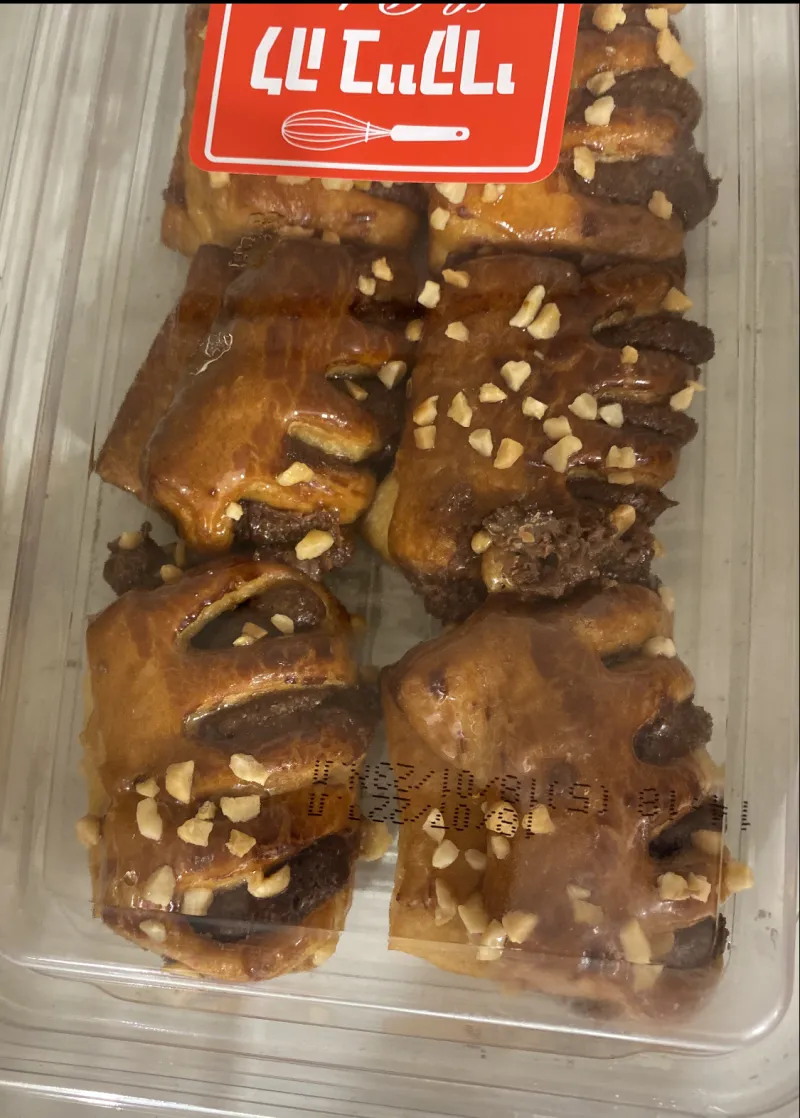
The Pastry That Disappears
There is a phenomenon well documented in Jewish homes and synagogue kiddush tables: a full platter of rugelach placed down in a public setting will be empty within minutes. It does not matter how many you make. It is never enough. People who claim to be full suddenly find room. People who do not eat sweets make an exception. Rugelach is the exception to every rule.
These crescent-shaped pastries — buttery, flaky, filled with chocolate or cinnamon or fruit — occupy a unique space in Jewish baking. They are elegant enough for a holiday dessert table, casual enough for a weekday snack, and satisfying enough that two or three constitute a legitimate emotional experience.
The secret is the cream cheese dough. It is rich, tender, and practically foolproof, producing layers that shatter at the bite and melt on the tongue. Once you master it, you will make rugelach for every occasion and several non-occasions.
The Dough
This recipe makes about 48 rugelach — which sounds like a lot until you realize how fast they go.
Ingredients
- 8 oz (1 block) cream cheese, cold
- 1 cup (2 sticks) unsalted butter, cold, cut into cubes
- 2 cups all-purpose flour
- ¼ cup sugar
- ¼ teaspoon salt
Instructions
1. In a food processor, pulse the flour, sugar, and salt to combine. Add the cold cream cheese and butter cubes. Pulse until the dough just comes together into a shaggy mass — do not overprocess.
2. Turn out onto a lightly floured surface and divide into 4 equal portions. Shape each into a flat disc, wrap tightly in plastic wrap, and refrigerate for at least 2 hours or overnight.
The Fillings
Prepare your chosen filling while the dough chills.
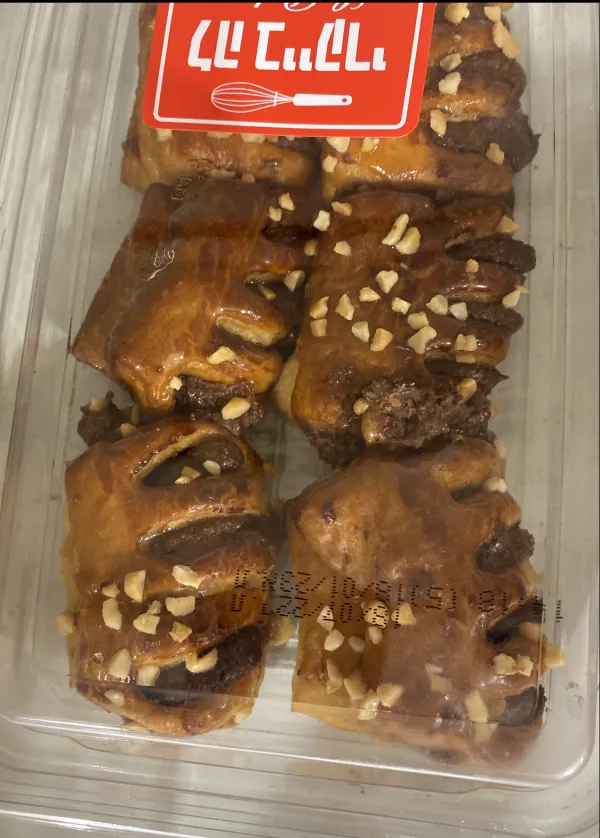
Chocolate filling: Melt 6 oz semi-sweet chocolate with 2 tablespoons butter. Stir in ½ cup finely chopped walnuts or pecans. Let cool until spreadable but not solid.
Cinnamon-walnut filling: Combine ¾ cup finely chopped walnuts, ½ cup brown sugar, 2 teaspoons cinnamon, and 2 tablespoons melted butter. Mix into a crumbly paste.
Apricot-raspberry filling: Spread ¼ cup apricot or raspberry preserves on each rolled dough circle. Sprinkle with ¼ cup finely chopped almonds and 2 tablespoons sugar.
Rolling and Shaping
1. On a lightly floured surface, roll one dough disc into a circle about 10–11 inches in diameter and about ⅛ inch thick.
2. Spread your chosen filling evenly over the surface, leaving a ½-inch border at the edges.
3. Using a pizza cutter or sharp knife, cut the circle into 12 equal wedges (like cutting a pizza).
4. Starting from the wide end of each wedge, roll toward the point, tucking the point underneath. Curve the ends slightly inward to form a crescent shape.
5. Place the rugelach point-side down on a parchment-lined baking sheet, about 1 inch apart. Repeat with the remaining dough discs.
Baking
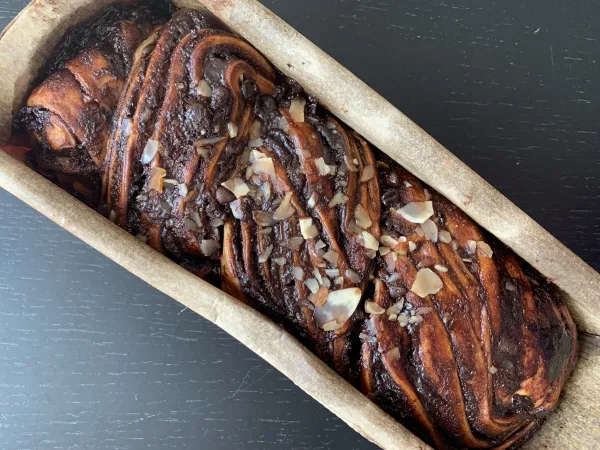
1. Brush each rugelach with a beaten egg and sprinkle with cinnamon-sugar (3 tablespoons sugar mixed with 1 teaspoon cinnamon).
2. Bake at 350°F (175°C) for 20–25 minutes, until golden brown. The filling may bubble out slightly — this is normal and delicious.
3. Let cool on the pan for 5 minutes, then transfer to a wire rack. They are best warm but remain excellent at room temperature for days.
Tips for Perfect Rugelach
Keep everything cold. The flakiness comes from cold butter and cream cheese melting in the hot oven, creating steam and layers. If the dough gets soft, refrigerate it.
Do not overfill. A thin, even layer of filling produces better rolling and neater pastries. Overstuffed rugelach burst open in the oven.
Mix and match. There is no law that says all 48 rugelach must have the same filling. Make each disc with a different filling and offer variety.
The egg wash matters. It is the difference between pale, matte rugelach and golden, glossy beauties. Do not skip it.
Rugelach connects you to a baking tradition that stretches from the bakeries of Warsaw to the delis of New York to the cookie platters of Jewish homes everywhere. Make a batch. Watch them disappear. Make another batch. This is the way.
Frequently Asked Questions
What is the origin of rugelach?
Rugelach originated in the Jewish communities of Eastern Europe, with the name coming from the Yiddish word related to 'rog' (horn or corner), referring to the crescent shape of each pastry. The cream cheese dough version was popularized by Jewish bakers in America, while the original Eastern European version often used a sour cream or yeast-based dough. Today both styles coexist happily.
Can you freeze rugelach dough?
Yes, and this is one of the best things about rugelach. Wrap the shaped dough discs tightly in plastic wrap, then place in a freezer bag. They keep for up to three months. Thaw overnight in the refrigerator before rolling and filling. You can also freeze the fully shaped unbaked rugelach on a tray, then transfer to a bag — bake from frozen, adding 2-3 extra minutes.
Why is my rugelach dough too sticky to roll?
The dough must be thoroughly chilled — at least 2 hours, preferably overnight. If it softens while you are working, pop it back in the fridge for 15 minutes. Flour your surface lightly and work quickly. The cream cheese and butter need to stay cold to create those flaky layers.
Sources & Further Reading
- Gil Marks, Encyclopedia of Jewish Food
- My Jewish Learning — Rugelach History ↗
- The Nosher — Best Rugelach Recipes ↗
Related Articles
Classic Challah Recipe: How to Bake the Perfect Shabbat Bread
Golden, braided, and impossibly fragrant — learn to bake the perfect challah with this traditional recipe, plus variations for holidays and special occasions.
Hamantaschen Recipe: The Iconic Purim Cookie
The classic hamantaschen recipe — triangle-shaped Purim cookies with poppy seed, prune, chocolate, and halva fillings. Includes history, folding technique, and tips for perfect results.
Jewish Holiday Foods: What We Eat and Why
Every Jewish holiday has its signature foods — and each dish tells a story of history, symbolism, and tradition.