Kugel Recipe: Sweet Noodle and Savory Potato
Two kugels, one guide. Master the sweet cinnamon-raisin noodle kugel and the crispy savory potato kugel — both essential Shabbat sides with deep roots in Ashkenazi tradition.
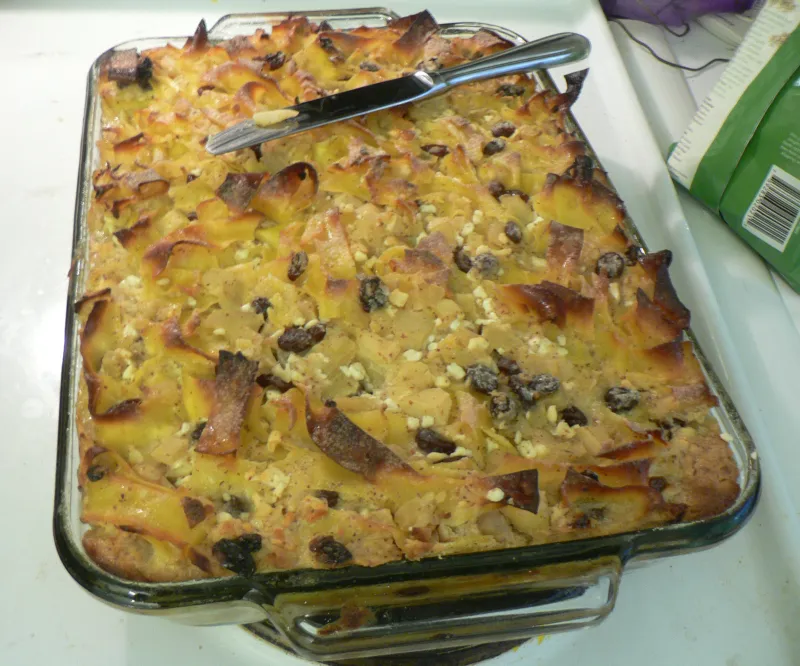
The Great Kugel Debate
In every Jewish family, there is a kugel opinion. Sweet or savory? Noodle or potato? Raisins or absolutely no raisins under any circumstances? Crispy top or soft throughout? These are not casual preferences. These are deeply held beliefs passed down through generations, defended at Shabbat tables with the passion usually reserved for politics and sports.
The truth is that both camps are right. Sweet noodle kugel and savory potato kugel are both magnificent, and any Shabbat table is improved by the presence of either. This guide gives you both, so you can choose your side — or, better yet, make both and keep everyone happy.
Sweet Noodle Kugel
This is the kugel of Friday night dinners, the one that tastes like a hug from someone who loves you. It is essentially a baked noodle pudding — custardy, sweet, studded with raisins, fragrant with cinnamon and vanilla. Children devour it. Adults pretend to eat a modest portion and then go back for seconds.
Yield: One 9x13 pan (12 servings) Prep time: 15 minutes Bake time: 45–50 minutes
Ingredients
- 1 lb wide egg noodles
- 4 large eggs
- 1 cup sour cream
- 1 cup cottage cheese (small curd)
- ½ cup sugar
- ½ cup (1 stick) butter, melted
- 1 teaspoon vanilla extract
- 1 teaspoon cinnamon
- ½ teaspoon salt
- 1 cup raisins (golden or regular — your call, your funeral)
For the topping:
- ½ cup cornflake crumbs or crushed graham crackers
- 2 tablespoons butter, melted
- 2 tablespoons sugar
- ½ teaspoon cinnamon
Instructions
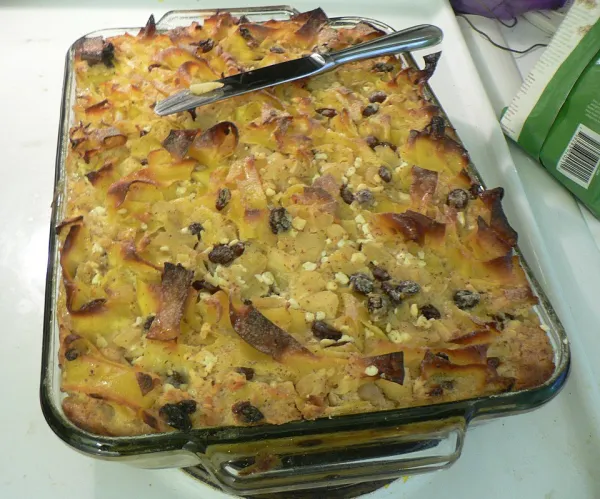
1. Cook the noodles according to the package directions, but stop one minute short of al dente. Drain well.
2. In a large bowl, whisk together the eggs, sour cream, cottage cheese, sugar, melted butter, vanilla, cinnamon, and salt. Fold in the drained noodles and raisins.
3. Pour into a greased 9x13 baking pan. Combine the topping ingredients and sprinkle evenly over the surface.
4. Bake at 350°F (175°C) for 45–50 minutes, until the top is golden and the center is set. Let it cool for 10 minutes before cutting — the kugel firms up as it rests.
Savory Potato Kugel
If noodle kugel is comfort, potato kugel is satisfaction. Crispy on top, creamy in the middle, with that unmistakable onion-and-potato aroma that makes people hover around the kitchen asking when it will be ready. It is essentially a giant latke in casserole form, and it is glorious.
Yield: One 9x13 pan (12 servings) Prep time: 20 minutes Bake time: 1 hour
Ingredients
- 5 lbs russet potatoes, peeled
- 2 large onions
- 4 large eggs, beaten
- ⅓ cup vegetable oil, plus extra for the pan
- ¼ cup potato starch or all-purpose flour
- 2 teaspoons kosher salt
- ½ teaspoon white pepper
- ½ teaspoon garlic powder
Instructions
1. Preheat the oven to 400°F (200°C). Pour a thin layer of oil into a 9x13 baking pan and place it in the oven to heat while you prepare the batter.
2. Grate the potatoes and onions using the coarse side of a box grater or a food processor. Transfer to a clean kitchen towel and squeeze out as much liquid as possible. This step is critical — wet potatoes make soggy kugel.
3. In a large bowl, combine the grated potatoes and onions with the eggs, oil, potato starch, salt, pepper, and garlic powder. Mix well.
4. Carefully remove the hot pan from the oven. Pour the potato mixture into the sizzling oil — you should hear a satisfying hiss. Spread evenly and drizzle a little more oil on top.
5. Bake for 1 hour, until the top is deep golden brown and crispy. The edges should be dark and crunchy. Let it rest for 5 minutes before cutting into squares.
Yerushalmi Kugel
For the adventurous: Yerushalmi (Jerusalem) kugel is unlike any other. Cook thin egg noodles, then make a caramel by melting ½ cup sugar with ¼ cup oil until dark amber. Toss the hot noodles in the caramel, add 4 beaten eggs, 1 tablespoon black pepper, and salt. Pour into a greased tube pan and bake at 350°F for one hour. The result is sweet, spicy, and utterly addictive.
A Kugel for Every Table
The beauty of kugel is its adaptability. It feeds a crowd, it reheats well, it travels to potlucks without complaint, and it always tastes like Shabbat. Whether you are team noodle or team potato — or, wisely, team both — kugel is the side dish that holds the Jewish table together.
Make it your grandmother’s way. Then make it your own way. Both will be right.
Frequently Asked Questions
What does kugel mean?
Kugel comes from the German word for 'ball' or 'sphere,' referring to the original round shape of the dish when it was cooked inside a pot of cholent. Over the centuries, kugel evolved from a simple bread dumpling into the noodle and potato casseroles we know today. The name stuck even as the shape changed.
Can you make kugel ahead of time?
Absolutely, and that is actually the traditional way. Kugel is ideal make-ahead food. Prepare it on Thursday or Friday morning, refrigerate, and reheat before Shabbat dinner. It reheats beautifully at 325°F covered with foil. Some people insist it tastes even better reheated, when the flavors have had time to meld.
What is Yerushalmi kugel?
Yerushalmi (Jerusalem) kugel is a unique version made with thin noodles, caramelized sugar, and a generous amount of black pepper. The result is a sweet-and-spicy kugel with a distinctive dark golden color. It is a specialty of the Old Yishuv community in Jerusalem and is typically served at Shabbat kiddush.
Sources & Further Reading
- My Jewish Learning — What is Kugel? ↗
- The Nosher — Kugel Recipes ↗
- Gil Marks, Encyclopedia of Jewish Food
Related Articles
Classic Challah Recipe: How to Bake the Perfect Shabbat Bread
Golden, braided, and impossibly fragrant — learn to bake the perfect challah with this traditional recipe, plus variations for holidays and special occasions.
Jewish Holiday Foods: What We Eat and Why
Every Jewish holiday has its signature foods — and each dish tells a story of history, symbolism, and tradition.
Shabbat Foods: A Culinary Journey Through the Day of Rest
From Friday night chicken soup to Saturday afternoon cholent — discover the beloved dishes that make Shabbat the most delicious day of the week.