Classic Jewish Brisket: The Holiday Centerpiece
Low and slow is the secret to perfect Jewish brisket. This traditional recipe, with onions, garlic, and wine, transforms a tough cut into a melt-in-your-mouth holiday masterpiece.
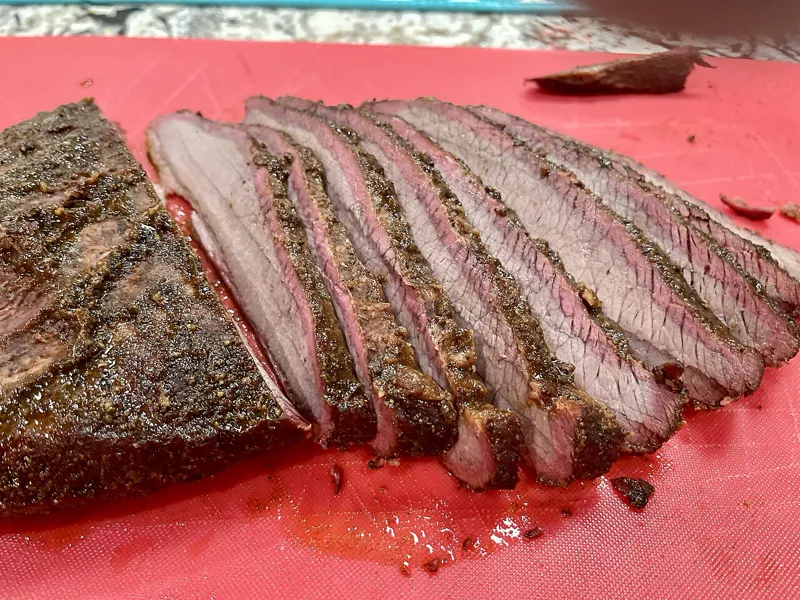
The Smell of Every Jewish Holiday
If you have ever walked into a Jewish home on a Friday afternoon or the eve of a major holiday, you know the smell. It is not subtle. It fills every room, sneaks under doors, drifts out windows, and makes neighbors jealous. Onions caramelizing. Garlic softening. Red wine reducing into something rich and dark. And underneath it all, a massive piece of beef slowly surrendering to low heat and patience.
This is brisket. The undisputed champion of the Jewish holiday table, the dish that grandmothers are remembered for, the recipe that starts more family arguments than inheritance. Everyone has an opinion about brisket. Everyone’s grandmother made the best one. And everyone is right, because there is no single correct brisket — only the one you grew up with.
The recipe below is a classic: onions, garlic, red wine, and time. It has been refined over dozens of holidays and hundreds of opinions. It works.
Why Brisket Became Jewish
Brisket is a tough, fibrous cut from the chest of the animal. In the old country, it was cheap — which mattered when you were feeding a large family on a modest budget. Eastern European Jewish cooks discovered that if you braised it long enough, with enough liquid and enough onions, the collagen broke down and the meat became impossibly tender. The fact that brisket needed hours of unattended cooking made it perfect for Shabbat, when you could put it in the oven before sundown and let it do its thing.
When Jewish immigrants arrived in America, brisket was still affordable, and the tradition continued. Today it is the centerpiece of Rosh Hashanah dinners, Passover seders, Shabbat lunches, and any occasion where you need to feed a crowd something magnificent.
The Recipe
Yield: 8–10 servings Prep time: 20 minutes Cook time: 3½–4 hours Total time: About 4½ hours (less if you skip the overnight rest, but do not skip it)
Ingredients
- 5–6 lb beef brisket (first cut or second cut — see FAQ)
- 2 tablespoons vegetable oil
- 4 large onions, sliced into thick half-moons
- 8 cloves garlic, roughly chopped
- 1 cup dry red wine (something you would drink, not cooking wine)
- 1 cup beef broth
- 3 tablespoons tomato paste
- 2 tablespoons brown sugar
- 2 teaspoons smoked paprika
- 1 teaspoon freshly ground black pepper
- 2 teaspoons kosher salt (adjust to taste)
- 3 bay leaves
- 4 carrots, peeled and cut into large chunks
- Fresh thyme sprigs (optional but excellent)
Instructions
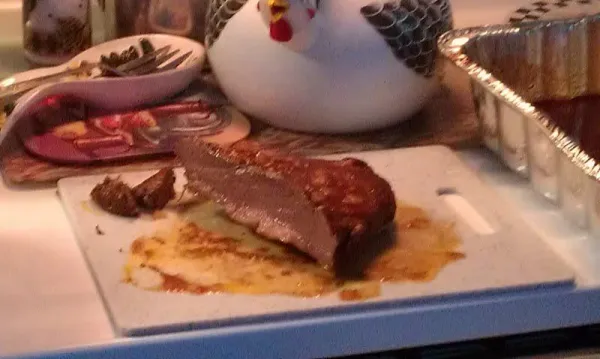
1. Season the brisket. Pat the brisket dry with paper towels. Combine the salt, pepper, and smoked paprika and rub the mixture all over the meat. Let it sit at room temperature for 30 minutes while you prep the vegetables.
2. Sear the meat. Preheat the oven to 325°F (160°C). Heat the oil in a large Dutch oven or roasting pan over high heat. Sear the brisket for 4–5 minutes per side until a dark brown crust forms. Remove and set aside.
3. Build the braising base. In the same pot, add the sliced onions. Cook over medium heat for 10–12 minutes, stirring occasionally, until soft and golden. Add the garlic and cook for another minute. Stir in the tomato paste and brown sugar, cooking until the paste darkens slightly. Pour in the wine and broth, scraping up any browned bits from the bottom.
4. Braise. Return the brisket to the pot, fat side up. Nestle the carrots and bay leaves around the meat. Lay the thyme sprigs on top. Cover tightly with a lid or heavy-duty foil — you want a good seal.
5. Cook low and slow. Place in the oven and cook for 3½–4 hours. The brisket is done when a fork slides into the meat with almost no resistance. Do not rush this step. The difference between good brisket and transcendent brisket is the last 30 minutes.
6. Rest and slice. Remove from the oven and let it cool in the braising liquid. For best results, refrigerate overnight. The next day, skim the solidified fat from the surface, slice the cold brisket against the grain into quarter-inch slices, and arrange in the braising liquid. Reheat at 325°F for 25–30 minutes.
Variations Worth Knowing
Cola brisket: Replace the wine and broth with two cans of Coca-Cola. It sounds wrong. It is not. The cola caramelizes into a sweet, tangy sauce that is ridiculously good. Add a cup of ketchup and a packet of onion soup mix, and you have the 1970s Jewish-American classic that refuses to die — because it is delicious.
Pomegranate brisket: Replace the wine with pomegranate juice and add two tablespoons of pomegranate molasses. Garnish with fresh pomegranate seeds before serving. The tartness cuts through the richness of the meat, and the ruby-red sauce is stunning on a Rosh Hashanah table.
Moroccan-spiced brisket: Add cumin, cinnamon, turmeric, and dried apricots to the braising liquid. This Sephardi-inspired variation brings warmth and sweetness that pairs beautifully with couscous.
Tips from Years of Brisket Making
Always slice against the grain. Look at the lines running through the meat and cut perpendicular to them. Slicing with the grain produces stringy, chewy slabs. Slicing against it produces tender, melt-apart pieces.
Fat side up. During cooking, the fat cap bastes the meat as it renders. Do not trim it all off before cooking. You can remove excess fat after refrigerating.
Do not peek. Every time you open the oven, you lose heat and moisture. Trust the process. Check once at the 3-hour mark and then leave it alone.
The overnight rest is not optional. It is the difference between good brisket and the brisket people talk about for years. The meat reabsorbs the braising liquid, the flavors marry, and slicing cold meat against the grain is infinitely easier.
There is a reason brisket has been the centerpiece of Jewish holiday tables for generations. It is not because it is easy, though it is not hard. It is because the act of cooking something slowly, with attention and care, and then sharing it with the people you love — that is what Jewish cooking has always been about.
Frequently Asked Questions
Why is brisket so popular in Jewish cooking?
Brisket became a staple because it was one of the more affordable cuts available to Jewish immigrants. The long, slow cooking required by the tough cut happened to align perfectly with Shabbat and holiday cooking, where food is prepared in advance. What started as economy became tradition, and now no Rosh Hashanah or Passover table feels complete without it.
Can you make brisket ahead of time?
Yes, and you should. Brisket actually tastes better the next day. Cook it a day or two in advance, let it cool completely in its braising liquid, refrigerate overnight, then slice it cold against the grain. Reheat the slices in the sauce at 325°F for about 30 minutes. The flavors deepen and the meat becomes even more tender.
What is the difference between first cut and second cut brisket?
First cut (also called flat cut) is leaner and slices more neatly, making it ideal for presentation. Second cut (also called point cut or deckle) has more marbling and fat, which makes it more flavorful and forgiving if you overcook slightly. For the best of both worlds, ask your butcher for a whole packer brisket.
Sources & Further Reading
Related Articles
Jewish Holiday Foods: What We Eat and Why
Every Jewish holiday has its signature foods — and each dish tells a story of history, symbolism, and tradition.
Kashrut: The Jewish Dietary Laws
More than just 'no pork' — kashrut is a comprehensive system that transforms eating into a sacred act.
Shabbat Foods: A Culinary Journey Through the Day of Rest
From Friday night chicken soup to Saturday afternoon cholent — discover the beloved dishes that make Shabbat the most delicious day of the week.