How to Build a Sukkah: Materials, Rules, and Creative Solutions
A practical guide to building a sukkah — minimum dimensions, wall requirements, schach rules, decorating ideas, and creative solutions for apartments, balconies, and small spaces.
Building Something Beautiful and Temporary
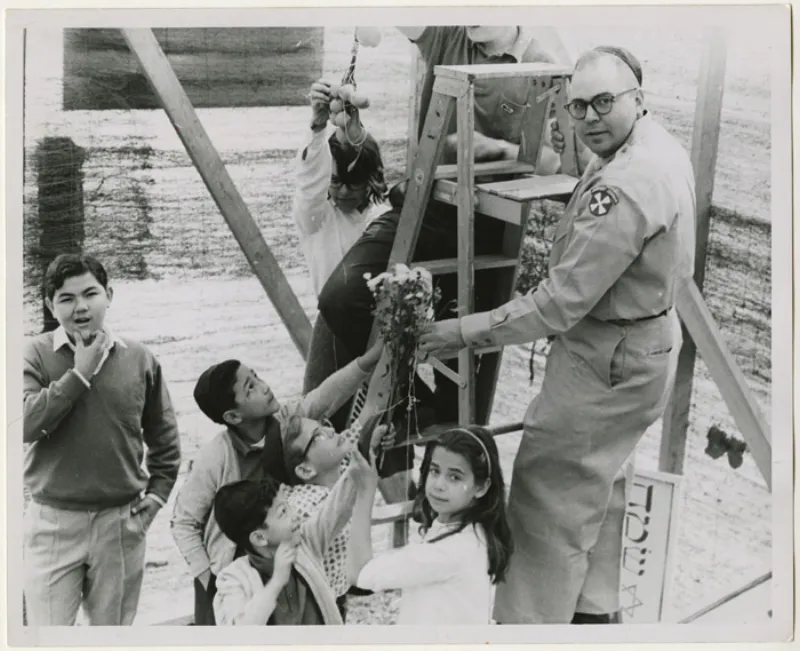
Every autumn, something peculiar happens in Jewish neighborhoods around the world. Families drag lumber into backyards, drape canvas over PVC frames, lash bamboo poles across rooftops, and cover it all with palm fronds, pine branches, or corn stalks. For one week, they eat — and sometimes sleep — in these makeshift huts, open to the sky and the elements.
This is the sukkah, the temporary dwelling at the heart of Sukkot, the week-long harvest festival that commemorates the forty years the Israelites wandered in the desert after leaving Egypt. The commandment is direct: “You shall dwell in booths for seven days.” Building a sukkah is one of the most hands-on, physical mitzvot in Judaism, and there is something deeply satisfying about constructing something with your own hands that connects you to 3,000 years of tradition.
Here is how to do it.
The Rules
Before you pick up a hammer, you need to know what makes a sukkah kosher:
Walls (at least 3)
- A sukkah needs a minimum of 3 walls. Four is fine; three is the legal minimum (with a symbolic partial fourth wall).
- Walls can be made of any material: wood, canvas, fabric, metal panels, bamboo screens, even existing building walls. Your house wall or fence can count as one or two sides.
- Walls must be sturdy enough not to blow over in a normal wind. They do not need to be solid — lattice, fabric stretched taut, or bamboo fencing all work.
- Minimum height: about 40 inches (10 tefachim). Maximum height: about 30 feet (20 amot).
Schach (the Roof)
The roof — called schach — is the most important and most regulated element:
- Schach must be made from natural materials that grew from the ground: branches, bamboo, palm fronds, pine boughs, corn stalks, reed mats.
- The material must be detached from the ground — you cannot use a living tree as your roof.
- The material cannot be something susceptible to ritual impurity — meaning it cannot be a finished product like a wooden table or chair.
- The schach should provide more shade than sun during the day.
- At night, you should be able to see the stars through gaps in the schach.
- Nothing can be above the schach except open sky. No tree branches, no overhangs, no awnings.
Location
- The sukkah must be under the open sky — not under a roof, carport, or large tree.
- It can be on grass, concrete, a deck, a balcony (if open above), or a rooftop.
Materials and Tools
For a Basic Wooden Sukkah (8x8 feet):
- Frame: Eight 2x4 lumber boards (four for corner posts at 7 feet, four for top rails at 8 feet)
- Walls: Canvas tarps, outdoor fabric, bamboo fencing rolls, or plywood panels
- Schach: Bamboo poles, pine branches, palm fronds, or bamboo mats (sold specifically for sukkahs)
- Hardware: Wood screws, L-brackets, zip ties
- Tools: Drill, saw, measuring tape, level
For a Pop-Up/Portable Sukkah:
Pre-fabricated sukkah kits are available online and at Jewish stores. They range from simple PVC-and-canvas designs that assemble in 30 minutes to elaborate wooden panel systems. Prices range from about $200 to over $1,000. For apartment balconies, look for compact models designed for small spaces.
Step-by-Step Construction
1. Choose your location. Find a flat spot with open sky above. Check for overhanging branches or rooflines that would cover the schach. Your backyard, patio, or driveway are common choices.
2. Build the frame. Set the four corner posts vertically and secure them with L-brackets at the base (you can use heavy planters, sandbags, or stake them into the ground). Connect the tops with horizontal rails. Ensure the structure is stable — give it a shake. If it wobbles, brace it.
3. Attach the walls. Wrap the walls with your chosen material. Canvas or fabric should be secured tightly with zip ties, bungee cords, or staples so it does not flap in the wind. Leave one side open or with a flap for the entrance.
4. Add the schach. Lay bamboo poles, branches, or mats across the top rails. Distribute evenly so there is more shade than sunlight below, but not so thick that rain cannot get through. The schach should rest on top of the walls or on supports — it should not be tied down (though many authorities permit tying in windy areas).
5. Decorate. This is the best part — see below.
Decorating Your Sukkah
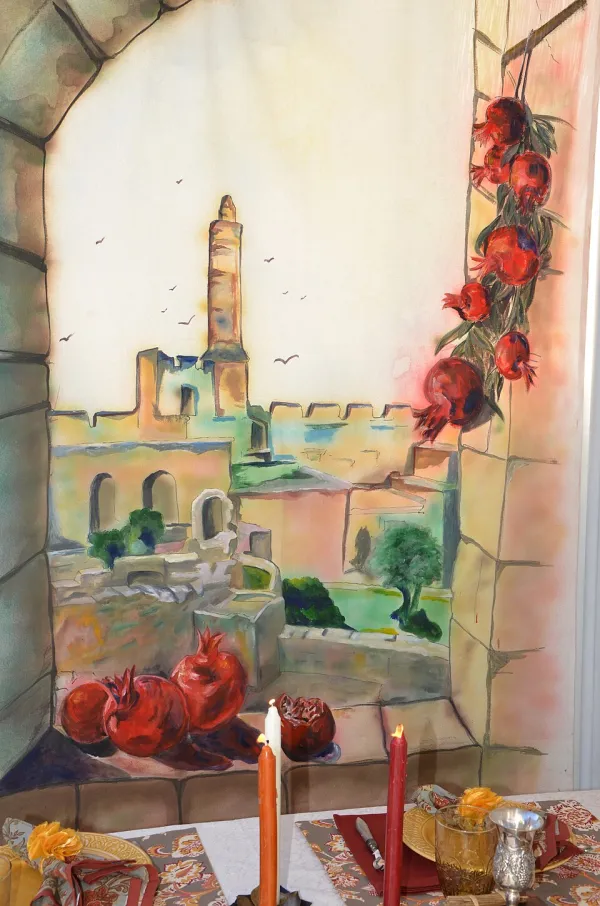
Decorating the sukkah is a beloved family tradition. There are no rules here — only creativity:
- Hang fruit from the schach: apples, pomegranates, gourds, dried corn
- Paper chains and streamers (a children’s classic)
- Artwork: Children’s drawings of the harvest, the seven species of Israel, or holiday themes
- Lights: String lights or battery-powered LED lights create a magical atmosphere for evening meals
- Fabric draping: Colorful cloths on the walls
- Ushpizin signs: Welcoming the seven mystical guests (Abraham, Isaac, Jacob, Moses, Aaron, Joseph, David) who are said to visit the sukkah each night
- Fresh flowers and garlands
Eating and Sleeping in the Sukkah
The mitzvah is to “dwell” in the sukkah — to treat it as your temporary home for seven days. At minimum, this means eating all meals in the sukkah. Many people also:
- Study Torah in the sukkah
- Host guests (hachnasat orchim — hospitality is a big Sukkot theme)
- Sleep in the sukkah (more common in warm climates and among the very dedicated)
- Hang out, read, relax — treat it as your living room
If it rains hard enough that the rain would spoil the food in your bowl, you are exempt from eating in the sukkah. Come back when it stops.
Apartment and Small-Space Solutions
No backyard? Options exist:
- Balcony sukkah: If your balcony is open to the sky, you can build a small sukkah there. Even a 3x5-foot sukkah that fits two chairs and a small table is kosher.
- Rooftop sukkah: Many apartment buildings allow rooftop sukkahs. Check with management.
- Community sukkah: Your synagogue or local Chabad center almost certainly has a sukkah you can use.
- Visit friends: Eating one meal in someone else’s sukkah fulfills the mitzvah.
Building a sukkah is one of those rare experiences that combines physical labor, artistic expression, religious observance, and family togetherness. The result is always a little imperfect — a wall that leans, schach that is not quite even, decorations that blow around. That imperfection is the point. The sukkah reminds us that our permanent structures are not as permanent as we think, and that our temporary ones can be filled with more joy than we imagined.
Build one this Sukkot. See what happens.
Frequently Asked Questions
What is the minimum size for a sukkah?
A sukkah must have at least 3 walls and be a minimum of 7 tefachim by 7 tefachim (approximately 28 inches by 28 inches) — though that would be tiny. There is no maximum size. The walls must be at least 10 tefachim (about 40 inches) high but no taller than 20 amot (about 30 feet). Most family sukkahs are at least 6x8 feet, large enough for a table and chairs.
Can I build a sukkah on an apartment balcony?
Yes, as long as the balcony is open to the sky — the schach must have nothing above it except sky. If there is a balcony above yours, that area is disqualified. Many apartment dwellers successfully build small sukkahs on balconies, patios, or rooftops. Check with your building management first. Portable and pop-up sukkahs are specifically designed for small spaces.
Does a sukkah need to be weatherproof?
No — in fact, it should not be. The sukkah is intentionally a temporary, fragile structure. You should be able to see the stars through the schach at night. If it rains, you are exempt from sitting in the sukkah. The whole point is to leave the security of your permanent home and trust in something larger — the experience of vulnerability is part of the meaning.
Test Your Knowledge
Think you know this topic? Try our quiz!
Take the Jewish Holidays: Advanced Quiz →Sources & Further Reading
Related Articles
The Jewish Calendar: How an Ancient Lunar-Solar System Shapes Jewish Life
The Jewish calendar is a sophisticated lunar-solar system that has kept Jewish holidays, Shabbat, and lifecycle events anchored in their proper seasons for over two thousand years.
Shabbat: The Weekly Day of Rest
Every week, Jewish life pauses for 25 hours of rest, reflection, and togetherness — discover the beauty of Shabbat.
Sukkot: The Festival of Booths
For seven days each autumn, Jewish families build and eat in temporary huts — celebrating the harvest, remembering the desert journey, and embracing the fragility and beauty of life.