Hanukkah: The Complete Guide to the Festival of Lights
A comprehensive guide to Hanukkah — the history of the Maccabees, the miracle of oil, how to light the menorah, dreidel rules, latkes and sufganiyot, gift-giving, and deeper meaning.
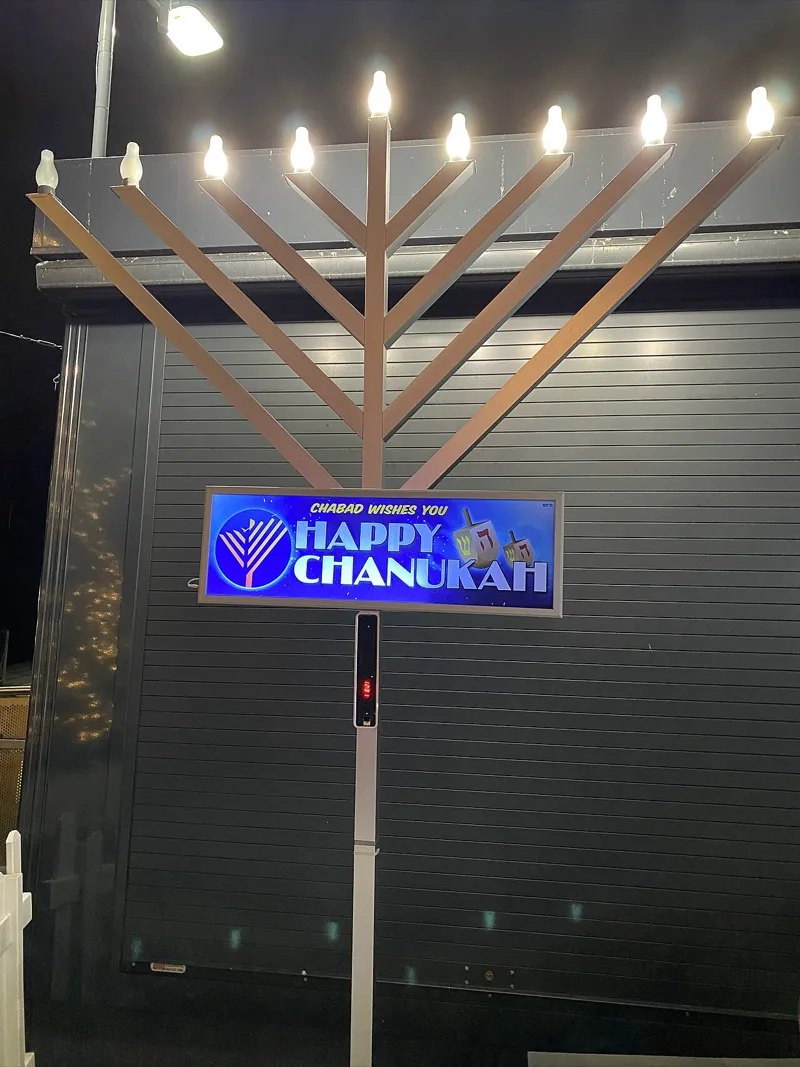
Eight Nights of Light
Every year, as the days grow shortest and the darkness deepest, Jews around the world light candles. One the first night. Two the second. Three, four, five, six, seven, eight — until the menorah blazes with nine flames (eight candles plus the shamash), pushing back the winter night with a defiant glow.
Hanukkah is the story of a military victory that became a miracle, a miracle that became a festival, and a festival that became — in the modern world — one of the most visible expressions of Jewish identity. It is also, beneath the latkes and dreidels, a meditation on the persistence of light in dark times.
The Historical Story
The Maccabean Revolt
In 167 BCE, the Seleucid king Antiochus IV Epiphanes launched a campaign to Hellenize the Jewish population of Judea. He banned Jewish practices — circumcision, Shabbat observance, Torah study — under penalty of death. He desecrated the Temple in Jerusalem by erecting an altar to Zeus and sacrificing pigs in the sacred precincts.
A priestly family from the village of Modi’in — Mattathias and his five sons, known as the Maccabees — refused to comply. What began as a localized act of resistance became a full-scale guerrilla war against the most powerful military in the region.
Against extraordinary odds, the Maccabees prevailed. In 164 BCE, they recaptured Jerusalem and rededicated the Temple. The word “Hanukkah” means “dedication” — it commemorates this rededication.
The Miracle of Oil
The Talmud (Shabbat 21b) records a miracle that occurred during the rededication: when the Maccabees entered the Temple, they found only one small flask of ritually pure olive oil — enough to keep the Temple’s menorah burning for one day. Miraculously, the oil lasted for eight days, until new pure oil could be prepared.
This miracle — not the military victory — became the spiritual heart of the holiday. The rabbis emphasized the oil over the battle, perhaps because they distrusted military triumphalism, or because they wanted to credit God rather than human warriors.
How to Light the Hanukkiah
The Menorah (Hanukkiah)
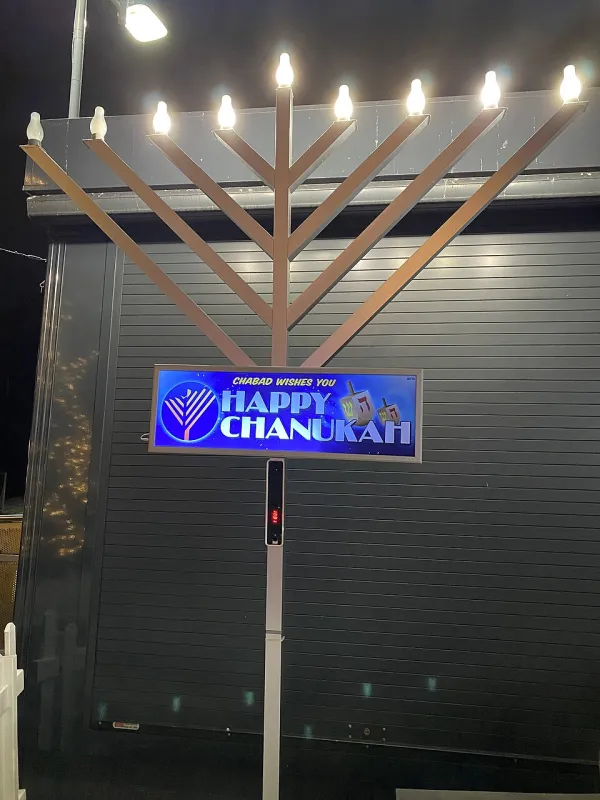
The Hanukkah menorah — properly called a hanukkiah — has nine branches: eight for the nights of Hanukkah, plus the shamash (“servant” or “helper” candle), which is set apart from the others (usually higher or lower) and used to light the other candles.
Lighting Procedure
- Place candles from right to left (adding one new candle each night, moving leftward)
- Light from left to right (newest candle first)
- Recite the blessings before lighting:
- Blessing 1: “…who has commanded us to kindle the Hanukkah light”
- Blessing 2: “…who performed miracles for our ancestors in those days, at this time”
- Blessing 3 (first night only): Shehecheyanu — “…who has granted us life, sustained us, and enabled us to reach this occasion”
- Light the shamash first, then use it to light the other candles
Timing
The menorah is traditionally lit at nightfall (or shortly after). Some communities light at sunset. The candles should burn for at least 30 minutes. Many families place the menorah in a window facing the street — fulfilling the mitzvah of pirsumei nisa (“publicizing the miracle”).
The Hillel-Shammai Debate
The Talmud records a debate: the school of Shammai said to light eight candles on the first night and decrease by one each night. The school of Hillel said to start with one and increase. We follow Hillel — because in matters of holiness, we increase rather than decrease.
Hanukkah Foods
Latkes (Potato Pancakes)
Latkes — crispy, golden potato pancakes fried in oil — are the iconic Ashkenazi Hanukkah food. The frying in oil connects to the miracle. Classic latkes are made from grated potatoes and onions, bound with egg, and fried until crunchy.
The debate over toppings is fierce: sour cream vs. applesauce. (The correct answer, of course, is both.)
Sufganiyot (Jelly Doughnuts)
In Israel, sufganiyot — deep-fried jelly doughnuts — have become the dominant Hanukkah food. Bakeries compete annually to produce the most elaborate versions, filled with everything from dulce de leche to halva cream.
Other Oil-Fried Foods
Sephardi communities have their own fried specialties: bimuelos (fried dough puffs dipped in honey syrup), sfenj (Moroccan doughnuts), and loukoumades (Greek-style honey balls).
The Dreidel
The dreidel (sevivon in Hebrew) is a four-sided spinning top, each side inscribed with a Hebrew letter:
- Nun (נ) — nes (miracle)
- Gimel (ג) — gadol (great)
- Hey (ה) — haya (was)
- Shin (ש) — sham (there)
Together: “A great miracle happened there.” (In Israel, the shin is replaced with peh — po, “here.”)
How to Play
Each player starts with an equal number of tokens (chocolate coins, pennies, candies). Everyone puts one token in the center pot, then takes turns spinning:
- Nun — nothing happens
- Gimel — take the whole pot
- Hey — take half the pot
- Shin — put one token in
The game continues until one player has everything. It is simple, endlessly engaging for children, and — thanks to the chocolate coins (gelt) — delicious.
Hanukkah Gelt and Gifts
Hanukkah gelt — coins given to children — is the original Hanukkah gift tradition. Chocolate coins wrapped in gold foil are the modern version.
Gift-giving on Hanukkah is a relatively recent development, influenced heavily by the holiday’s proximity to Christmas. In many American Jewish families, children receive gifts on each of the eight nights. This practice is viewed differently across the Jewish spectrum — some embrace it as a way to make Hanukkah special for children, while others see it as an unnecessary accommodation to Christian culture.
Hanukkah Songs
Hanukkah has a rich repertoire of songs:
- Maoz Tzur (“Rock of Ages”) — the traditional hymn sung after lighting the menorah
- Hanukkah, Oh Hanukkah — a popular Yiddish-origin song
- Sevivon, Sov, Sov, Sov — an Israeli children’s song about the dreidel
- Mi Yemalel — “Who can retell the things that befell us”
- I Have a Little Dreidel — the English-language classic
The Deeper Meaning
Hanukkah is often described as a minor holiday — and technically, it is. Work is permitted. It has no biblical commandment. The Talmud devotes surprisingly little space to it.
But its message is anything but minor. Hanukkah asks: When the dominant culture demands that you abandon your identity, what do you do? When the odds are impossible, do you fight? When you have only enough oil for one day, do you light it anyway?
The Maccabees’ answer — and the answer of every Jew who has lit a menorah in a window since — is yes. You light it. You put the flame in the window. You let the world see. One small light, and then another, and another, growing each night, pushing back against the darkness not with the certainty that you will prevail, but with the faith that light matters.
That is Hanukkah. Eight nights. Nine candles. One stubborn, beautiful refusal to let the light go out.
Frequently Asked Questions
How many candles do you light on Hanukkah?
A total of 44 candles are used over eight nights (including the shamash — the 'helper' candle used to light the others). On the first night, you light 1 candle plus the shamash (2 total). Each night you add one more, ending with 8 candles plus the shamash on the eighth night (9 total). You light from right to left but place candles from left to right.
Is Hanukkah a major Jewish holiday?
Technically, no. Hanukkah is classified as a minor holiday — work is permitted, and it lacks the biblical authority of holidays like Passover, Shavuot, and Sukkot. Its prominence in modern culture is partly due to its proximity to Christmas. However, its themes of religious freedom and resistance to assimilation have made it culturally significant.
What is the difference between a menorah and a hanukkiah?
A menorah has seven branches and was used in the ancient Temple. A hanukkiah (Hanukkah menorah) has nine branches — eight for the nights of Hanukkah plus the shamash. In common usage, 'menorah' often refers to both, but technically they are different objects with different purposes.
Test Your Knowledge
Think you know this topic? Try our quiz!
Take the Jewish Holidays: Advanced Quiz →Sources & Further Reading
Related Articles
Hanukkah: The Festival of Lights
Eight nights of candles, latkes, and dreidels — the story and customs of the beloved winter holiday.
How to Celebrate Hanukkah: A Complete Beginner's Guide
Everything you need to celebrate Hanukkah — buying a menorah, lighting candles in the right order, saying the blessings, playing dreidel, making latkes, and creating meaningful traditions for eight nights.
Classic Latkes Recipe: Crispy Hanukkah Potato Pancakes
Crispy on the outside, tender inside — master the art of perfect latkes with this traditional recipe, served with applesauce and sour cream for the ultimate Hanukkah treat.