Jews of Algeria: From Ancient Presence to French Citizenship to Exile
The story of Algerian Jewry — ancient roots, French colonization, the Crémieux Decree, Vichy betrayal, independence in 1962, and the mass exodus that erased a community.
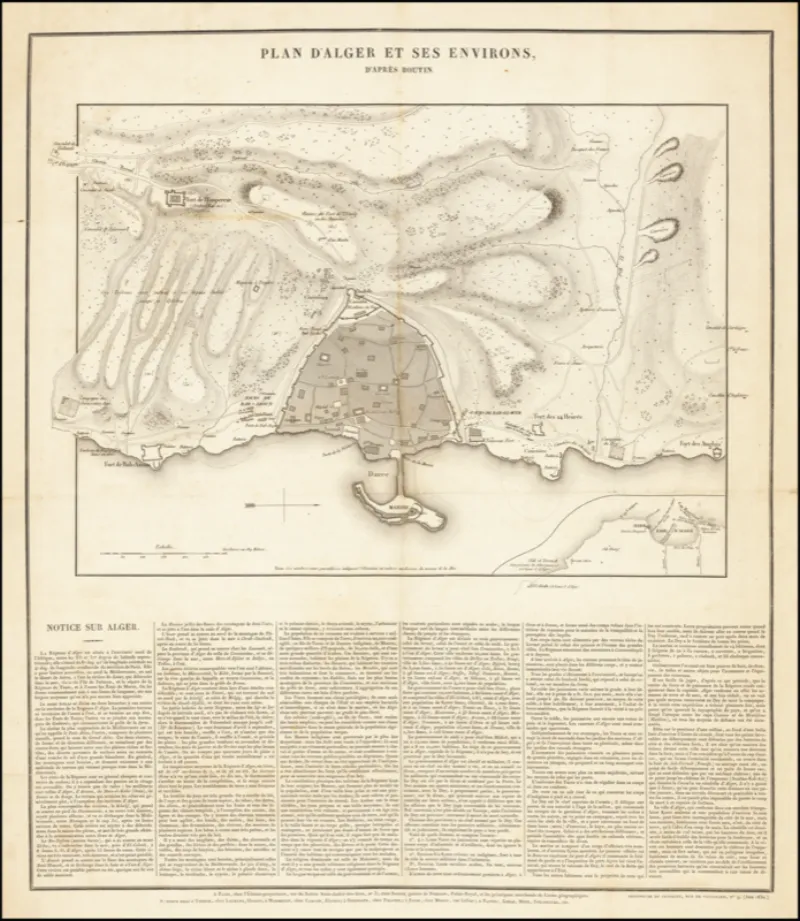
A Community That Vanished
In 1962, approximately 130,000 Jews lived in Algeria. By 1963, almost none remained. The departure was swift, total, and largely invisible to the outside world — overshadowed by the larger drama of Algerian independence and the exodus of nearly a million French settlers (pieds-noirs). But the story of Algerian Jewry stretches back more than two thousand years, and its erasure represents one of the least-discussed communal disappearances of the 20th century.
Ancient Roots
Jews have lived in North Africa since antiquity. Some traditions claim a Jewish presence in the Maghreb dating to the destruction of the First Temple (586 BCE), when refugees from Judea scattered across the Mediterranean. Archaeological evidence confirms Jewish communities in Roman-era North Africa — inscriptions, burial sites, and literary references place Jews in the cities of Carthage, Hippo, and across what is now Algeria.
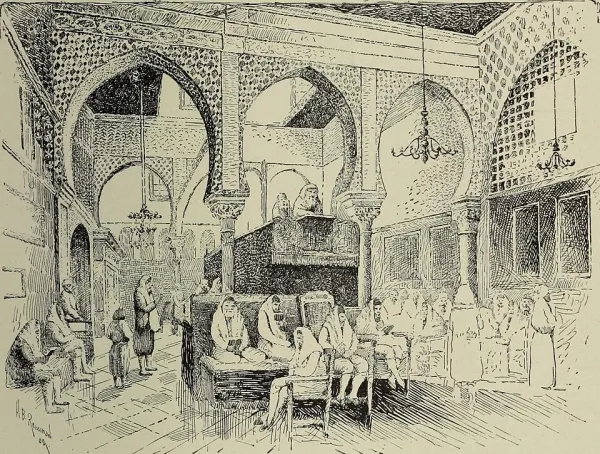
When the Arabs conquered North Africa in the 7th and 8th centuries, they found established Jewish communities already in place. Some Berber tribes had converted to Judaism, and Jewish life persisted under Islamic rule — sometimes peacefully, sometimes under the restrictive dhimmi status that required Jews and Christians to pay a special tax and accept social limitations.
After the Spanish Expulsion of 1492, a wave of Sephardi refugees arrived in Algeria, bringing their own customs, scholarship, and liturgical traditions. Over time, the Sephardi newcomers and the indigenous Toshavim (native Jews) merged into a single community, though traces of the original distinction persisted for centuries.
The French Era and the Crémieux Decree
France conquered Algeria in 1830, and the Jewish community’s trajectory changed forever. The French colonial administration initially treated Jews as indigenous subjects — no different from the Muslim majority. But in 1870, the Décret Crémieux (named after Adolphe Crémieux, a Jewish French politician) granted French citizenship to Algeria’s approximately 35,000 Jews.
The decree was transformative. Almost overnight, Algerian Jews became French citizens with full civil rights — the right to vote, to attend French schools, to serve in the military, to practice law and medicine. The Muslim population, by contrast, remained colonial subjects without citizenship.
This separation had profound consequences. Algerian Jews increasingly identified with French culture, spoke French at home, attended French schools, and saw their future as part of France. They did not abandon their Jewish identity — synagogues remained full, holidays were observed, and communal life flourished — but they became, in their own eyes and in French eyes, French.
The Muslim population, understandably, often resented the distinction. Anti-Jewish sentiment in Algeria was fueled both by European-style antisemitism (imported by French settlers) and by the perception that Jews had been elevated above Muslims by colonial decree.
Vichy: The Betrayal
When France fell to Nazi Germany in 1940, the Vichy regime extended its antisemitic legislation to Algeria. The Crémieux Decree was revoked. Algerian Jews lost their French citizenship, were expelled from schools and professions, and faced a cascade of discriminatory laws.
The experience was devastating — not because of physical violence on the scale of the European Holocaust, but because of the betrayal. The country that had made them citizens now unmade them. The identity they had built around Frenchness was torn away.
After the Allied liberation of North Africa in 1942–43, citizenship was slowly restored, but the wound never fully healed. Many Algerian Jews emerged from the war with a double suspicion: distrusted by Muslims as colonial collaborators, and betrayed by France when it mattered most.
Independence and Exodus
The Algerian War of Independence (1954–1962) was one of the bloodiest decolonization conflicts in history. As the war escalated, Jews found themselves in an impossible position. They were legally French — and most genuinely felt French — but they were also indigenous to Algeria. The FLN (National Liberation Front) initially promised equality for Jews in an independent Algeria, but violence, uncertainty, and the radical trajectory of the revolution made most Jews conclude that they had no future in the new state.
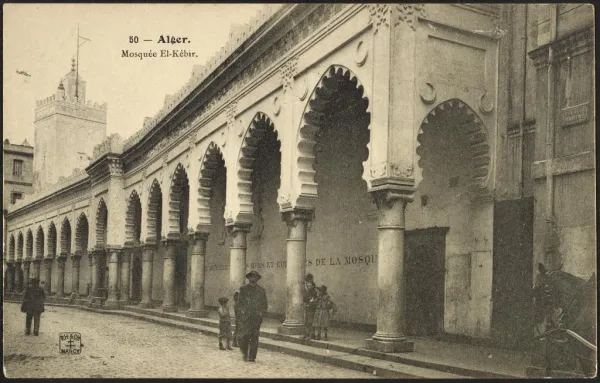
When Algeria gained independence in July 1962, the exodus was immediate. Along with nearly a million French settlers, virtually the entire Jewish community left — most for France, some for Israel, a handful for Canada and elsewhere. They left behind homes, businesses, synagogues, cemeteries, and centuries of communal life.
Legacy in France
In France, Algerian Jews — along with Jews from Morocco and Tunisia — transformed the French Jewish community. Before the 1960s, French Jewry was predominantly Ashkenazi. The influx of North African Jews made it majority Sephardi and revitalized Jewish life with new energy, new liturgical traditions, and new cuisine.
Today, the descendants of Algerian Jews constitute a significant portion of France’s Jewish community — the third largest in the world. They maintain their distinctive traditions, music, and foods. And they carry the memory of a community that thrived for millennia, became French in a single decree, survived Vichy, and then vanished from its homeland in a single summer.
The synagogues of Algiers, Oran, and Constantine still stand — some converted to mosques, some abandoned, some repurposed. They are monuments to a community that no longer exists, speaking in stone about a Jewish Algeria that lives on only in the memories of those who were forced to leave.
Frequently Asked Questions
What was the Crémieux Decree?
The Crémieux Decree of 1870 granted French citizenship to approximately 35,000 Jews living in French Algeria. This was a dramatic change in status — from 'indigenous subjects' to full citizens — and it separated Algerian Jews legally and socially from the Muslim majority. The decree was overturned by the Vichy regime in 1940 and restored after liberation in 1943.
What happened to Algerian Jews during World War II?
Under the Vichy regime (1940-1943), Algerian Jews lost their French citizenship, were expelled from schools and professions, and faced antisemitic legislation modeled on the laws in metropolitan France. After the Allied liberation of North Africa in 1942-43, citizenship was eventually restored, but the experience of betrayal by France left deep scars.
Are there any Jews left in Algeria today?
Virtually none. The Jewish population of Algeria, which numbered around 130,000 in 1962, departed almost entirely during the Algerian War of Independence. Most relocated to France, where Algerian Jewish communities remain active, particularly in Paris, Marseille, and Lyon. A handful of individuals remained, but organized Jewish life in Algeria effectively ended.
Sources & Further Reading
Related Articles
Jews of France: From Revolution to the Present
From medieval persecution to revolutionary emancipation, from the Dreyfus Affair to Vichy collaboration, and from North African immigration to modern challenges — French Jewry's story mirrors the tensions of modernity itself.
Jews of Morocco: A Rich and Ancient Heritage
The story of Moroccan Jewry spans more than two thousand years — from ancient Berber roots to the mellah, royal protection during World War II, and the bittersweet exodus of the twentieth century.
Sephardi vs Ashkenazi: Two Streams of Jewish Life
Sephardi and Ashkenazi Jews share the same Torah but developed distinct languages, liturgies, foods, and customs across centuries of separation — two rivers from one source.