Matzah: History, Significance, and the 18-Minute Rule
Matzah — flat, unleavened bread — is the signature food of Passover. From the 18-minute baking rule to shmura matzah to its dual identity as the bread of affliction and freedom.
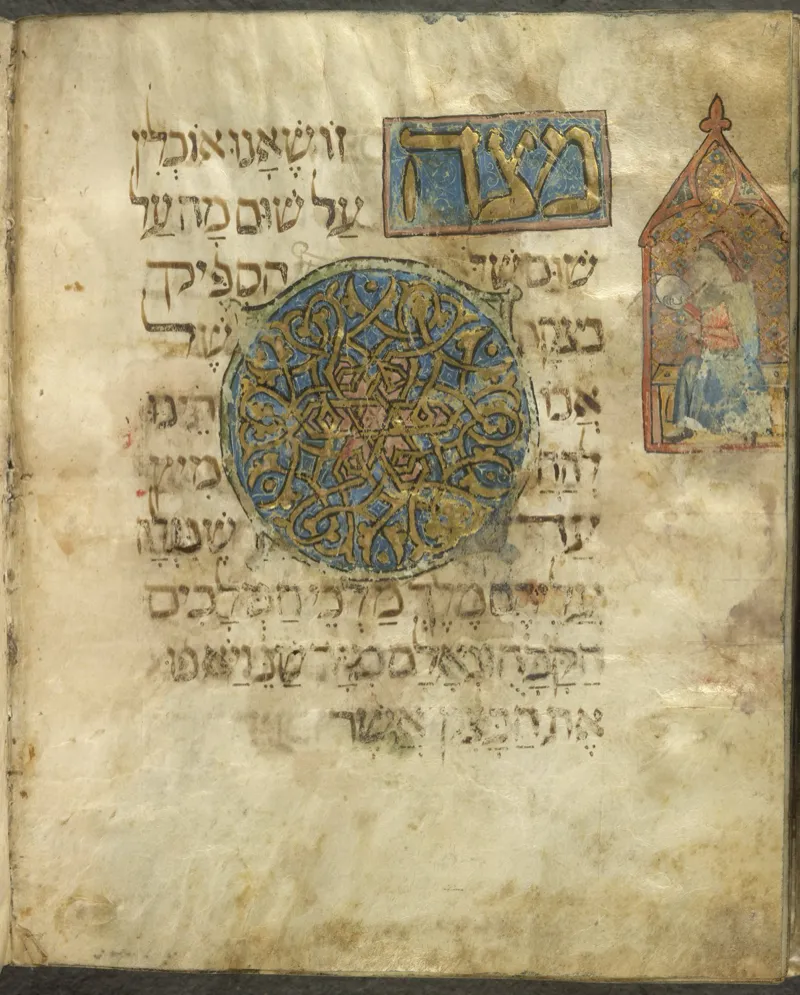
The Bread That Tells a Story
Every food tells a story. But few foods carry as much narrative weight as matzah — the flat, unleavened bread eaten during Passover. It is simultaneously the simplest and most meaningful food in the Jewish year: flour and water, nothing more, rushed into an oven and eaten for eight days as a reminder that freedom sometimes comes too fast for the bread to rise.
Matzah is also a paradox. The Haggadah calls it two things in the same evening: “ha lachma anya” — the bread of affliction, the poor bread of slaves — and the bread of liberation, baked in haste as the Israelites fled Egypt. It is poverty and freedom on the same plate, humility and hope in the same bite.
The Biblical Origin
The Torah tells the story directly: “And they baked unleavened cakes of the dough which they brought out of Egypt, for it was not leavened; because they were thrust out of Egypt, and could not tarry, neither had they prepared for themselves any provisions” (Exodus 12:39).
The Israelites left Egypt so quickly that their bread dough did not have time to rise. They carried it on their backs, and the desert sun baked it into flat, hard cakes. From this emergency snack came one of Judaism’s most enduring food traditions.
But the commandment goes further than remembrance. The Torah commands: “Seven days you shall eat unleavened bread” (Exodus 12:15) and “no chametz (leavened bread) shall be seen among you, and no leaven shall be seen among you in all your borders” (Exodus 13:7). During Passover, it is not enough to eat matzah — you must also completely eliminate chametz from your home and possession.
The 18-Minute Rule
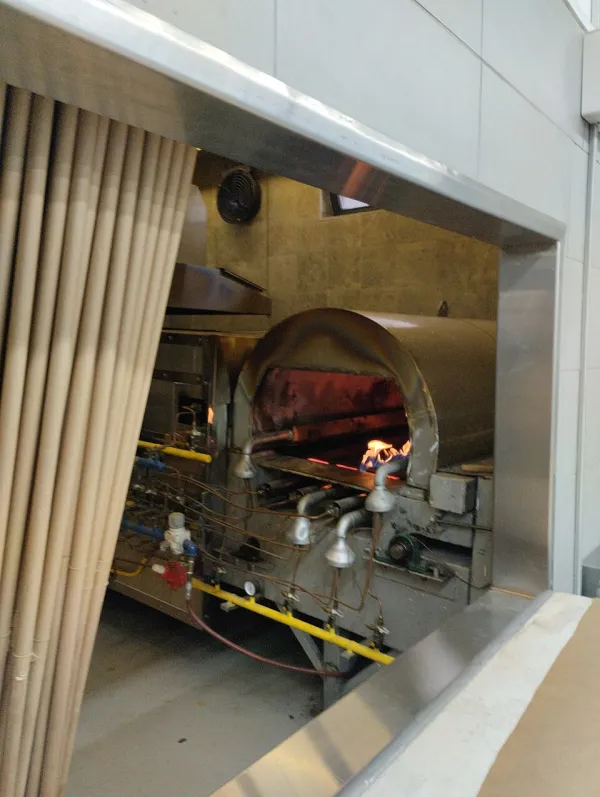
The rabbis of the Talmud determined that flour mixed with water begins to ferment — to become chametz — after 18 minutes. This means the entire matzah-making process must be completed within that window:
- Mixing — flour and water only. No salt, sugar, oil, eggs, or other ingredients (those would make it “enriched matzah,” which is a different category).
- Kneading — quickly, by hand or machine.
- Rolling — thin, to ensure even baking.
- Perforating — the characteristic holes in matzah are not decorative; they prevent the dough from rising by releasing gas bubbles.
- Baking — in an extremely hot oven, sometimes reaching 800-900°F.
All of this in 18 minutes. After the time limit, the dough is considered chametz and cannot be used. Bakeries keep strict timers, and workers move with practiced urgency.
Machine vs. Hand Matzah
Machine Matzah
Most matzah consumed today is machine-made. The process was mechanized in the mid-19th century, causing one of the fiercer rabbinic controversies of the era. Rabbi Shlomo Kluger of Brody opposed machine matzah, arguing that the commandment requires human intention and involvement. Rabbi Yosef Shaul Nathanson of Lemberg permitted it, arguing that machines could actually be more reliable in maintaining the 18-minute limit.
Machine matzah is square, uniform, thin, and inexpensive. Brands like Manischewitz and Streit’s are supermarket staples. It is perfectly kosher for Passover.
Hand Matzah (Shmura Matzah)
Hand-made matzah — particularly shmura (guarded) matzah — is round, rustic, slightly charred, and considerably more expensive ($15-30 per pound vs. $3-5 for machine matzah). “Shmura” means the grain has been watched from the time of harvest (or milling) to ensure no water contact.
The process is dramatic: teams of workers in aprons and yarmulkes knead, roll, and perforate the dough at a frenetic pace, racing the 18-minute clock. The baking sheets go into wood-fired or gas ovens. The finished product is uneven, blistered, and beautiful.
Many families use shmura matzah specifically for the seder night, when the commandment to eat matzah is most explicit, and regular machine matzah for the rest of the holiday.
Spiritual Meaning
Matzah’s spiritual symbolism operates on multiple levels:
Bread of Affliction
Matzah is the food of slaves — simple, cheap, sustaining but joyless. It is what you eat when you have nothing. At the beginning of the seder, the host breaks the matzah and declares: “This is the bread of affliction that our ancestors ate in the land of Egypt. Let all who are hungry come and eat.”
Bread of Freedom
The same matzah is also the bread of liberation — baked in the urgency of escape, when freedom came so suddenly there was no time to wait for the dough to rise. It represents the speed of redemption and the willingness to leave without preparation.
Bread of Humility
Chametz (leavened bread) puffs up; matzah stays flat. The Hasidic masters drew a moral lesson: chametz represents ego, pride, and inflation. Matzah represents humility, simplicity, and truth. Passover is a time to strip away the puffiness — the pretension and self-importance — and return to essentials.
Bread of Faith
The Zohar calls matzah “the food of faith” (michla d’mehemnuta). Leaving Egypt with unrisen dough was an act of trust — the Israelites did not know where they were going or what they would eat. They went anyway. Eating matzah recalls that leap of faith.
Matzah in Practice
During Passover
For eight days (seven in Israel), Jews eat matzah and avoid all chametz — bread, pasta, cereal, cake, cookies, beer, and anything made with wheat, barley, oats, rye, or spelt that has been allowed to rise. Ashkenazi Jews traditionally also avoid kitniyot (legumes and rice), though this restriction has been relaxed by some authorities in recent years.
Matzah Products
The Passover food industry has developed an entire parallel cuisine based on matzah:
- Matzah meal — ground matzah, used for coating, baking, and matzah balls.
- Matzah farfel — broken matzah pieces, used in casseroles and stuffing.
- Matzah cake meal — finely ground, used for Passover cakes and cookies.
- Matzah brei — a beloved Ashkenazi breakfast dish: matzah soaked in egg and fried. Think French toast meets scrambled eggs.
Matzah Ball Soup
Perhaps the most famous matzah dish is matzah ball soup — matzah meal mixed with eggs and fat, shaped into balls, and simmered in chicken broth. The great matzah ball debate: fluffy (light, airy) vs. dense (heavy, firm). Families take sides. This is serious business.
A Visit to a Matzah Factory
If you ever have the chance to visit a hand-matzah bakery before Passover, take it. The energy is unlike anything else in the Jewish food world. Workers chant, timers buzz, flour clouds fill the air, and the ancient race against fermentation plays out in real time. Some bakeries welcome visitors; Hasidic matzah bakeries in Brooklyn and Jerusalem are particularly famous.
Watching matzah being made connects you to the urgency of the original story — people rushing, baking, and going. It makes the flat bread on your seder plate feel less like a cracker and more like a piece of living history.
Summing Up
Matzah is the most deceptively simple food in Judaism — flour, water, and a race against the clock. But within that simplicity lives a universe of meaning: slavery and freedom, humility and faith, the poverty of Egypt and the abundance of the Promised Land. For eight days each spring, Jews eat this flat, humble bread and remember that sometimes the most profound transformations happen too fast for the dough to rise.
Frequently Asked Questions
Why 18 minutes?
The rabbis determined that flour mixed with water begins to leaven (rise) after 18 minutes. Therefore, the entire process — from the moment water touches flour to the moment the matzah enters the oven — must be completed within 18 minutes. In matzah bakeries, this is timed precisely. Workers move fast, the dough is rolled thin quickly, and it goes straight into an extremely hot oven. Any dough that exceeds 18 minutes is discarded.
What is shmura matzah and how is it different?
Shmura (watched/guarded) matzah is made from grain that has been supervised from the time of harvest — or at least from the time of milling — to ensure it never comes into contact with water before the controlled baking process. Regular matzah is supervised only from the mixing stage. Shmura matzah is round, handmade, and more expensive. Many observant families use it specifically for the seder, while using regular matzah for the rest of Passover.
Is matzah healthy?
Matzah is essentially flour and water with no fat, sugar, or leavening agents, so it is low in fat and sugar. However, it is also dense in refined carbohydrates and low in fiber (unless you buy whole wheat matzah). It is famously associated with digestive challenges — the Yiddish term 'matzah stomach' is well earned. Eating matzah for eight days is not a health regimen; it is a spiritual discipline.
Sources & Further Reading
Related Articles
Passover (Pesach): The Festival of Freedom
The story of the Exodus comes alive each spring as Jewish families gather for the Seder — the most widely observed Jewish ritual.
Shabbat Foods: A Culinary Journey Through the Day of Rest
From Friday night chicken soup to Saturday afternoon cholent — discover the beloved dishes that make Shabbat the most delicious day of the week.
What Is a Seder? The Passover Meal Explained for Beginners
The Passover seder is a structured meal and ritual retelling of the Exodus from Egypt — part dinner, part interactive storytelling, part theological argument. Here is everything a beginner needs to know.