Jewish Cheesecake for Shavuot: New York Style and Beyond
Why Jews eat dairy on Shavuot, plus three cheesecake recipes: classic New York-style, lighter Israeli version, and an easy no-bake option for when you want dessert without the oven.
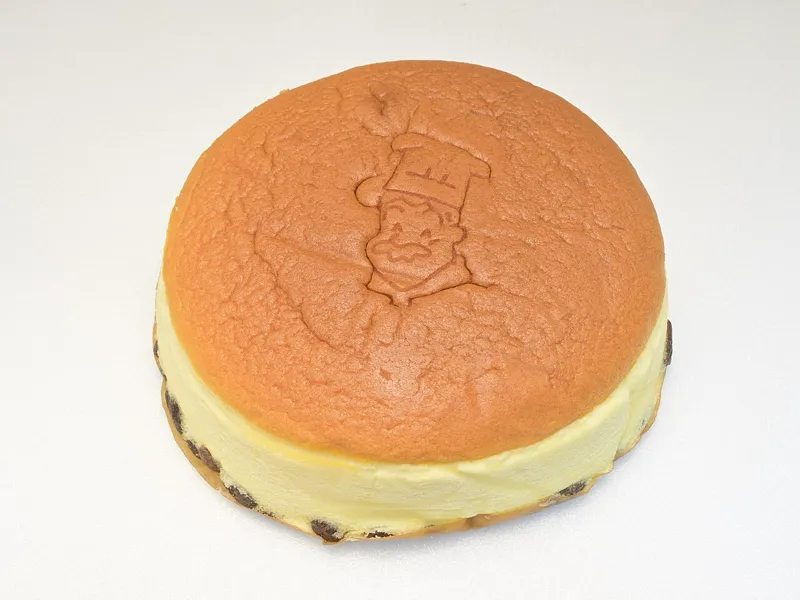
The Holiday of Cheesecake
Shavuot is the Jewish holiday that celebrates the giving of the Torah at Mount Sinai. It is also the holiday of cheesecake, blintzes, and anything made with cheese. Walk into any Jewish home on Shavuot and you will find dairy everywhere — cheese-filled pastries, creamy noodle kugels, and at the center of the table, a cheesecake that someone has been obsessing over for days.
The connection between Shavuot and dairy food has several explanations (see the FAQ below), but the practical result is clear: one day a year, the Jewish dessert table reaches its absolute peak. And cheesecake — dense, creamy, tangy, rich — is the undisputed queen.
New York-Style Cheesecake
This is the gold standard: dense, creamy, with a subtle tang from the cream cheese and a buttery graham cracker crust that provides the perfect textural contrast.
Yield: One 9-inch cheesecake (12 servings) Prep time: 20 minutes Bake time: 55–65 minutes Chill time: 4 hours minimum, overnight preferred
Crust
- 2 cups graham cracker crumbs
- ¼ cup sugar
- 6 tablespoons butter, melted
Filling
- 2 lbs (4 blocks) cream cheese, at room temperature
- 1 cup sugar
- 1 tablespoon vanilla extract
- 1 tablespoon fresh lemon juice
- 4 large eggs, at room temperature
- 1 cup sour cream
- ¼ cup all-purpose flour
- Pinch of salt
Instructions
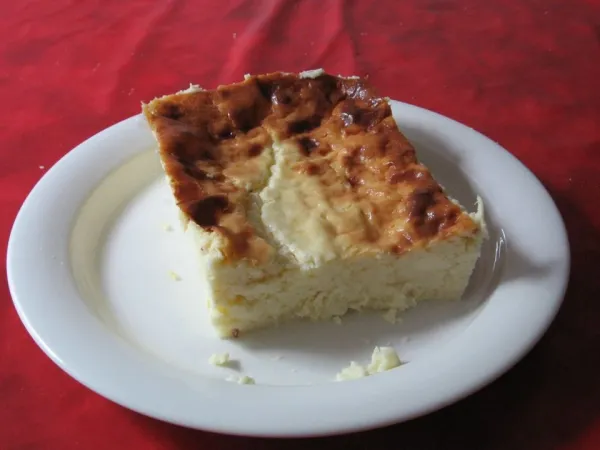
1. Make the crust. Preheat oven to 325°F (160°C). Mix the graham cracker crumbs, sugar, and melted butter until evenly moistened. Press firmly into the bottom and 1 inch up the sides of a 9-inch springform pan. Bake for 10 minutes. Set aside.
2. Make the filling. Beat the cream cheese on medium speed until completely smooth — 3 to 4 minutes. Scrape the bowl frequently. Add the sugar and beat until incorporated. Add the vanilla and lemon juice. Add the eggs one at a time, mixing on low speed just until each is incorporated. Do not overmix. Fold in the sour cream, flour, and salt by hand.
3. Bake. Pour the filling over the crust. Tap the pan gently on the counter to release air bubbles. Place in the oven and bake for 55–65 minutes. The cheesecake is done when the edges are set but the center still jiggles slightly when you gently shake the pan — like a firm Jell-O, not a liquid.
4. Cool slowly. Turn off the oven, crack the door open, and let the cheesecake cool inside for 1 hour. This gradual cooling prevents cracking. Remove from the oven, run a knife around the edge of the pan, and let cool completely at room temperature. Refrigerate for at least 4 hours.
Israeli-Style Lighter Cheesecake
Israeli cheesecake uses a combination of gvina levana (a soft white cheese similar to quark) and cottage cheese, resulting in a lighter, less dense texture. This version approximates that style.
Substitute the filling with: 1 lb cream cheese, 1 lb ricotta cheese (drained), ¾ cup sugar, 4 eggs, 1 cup heavy cream, zest of 1 lemon, 1 teaspoon vanilla. Follow the same baking instructions but reduce time by 5–10 minutes. The result is fluffier and more delicate — equally delicious, just different.
No-Bake Cheesecake

When you want cheesecake without turning on the oven.
Crust: Same as above — press into the pan and refrigerate.
Filling: Beat 2 lbs cream cheese with 1 cup powdered sugar and 2 teaspoons vanilla until smooth. In a separate bowl, whip 2 cups heavy cream to stiff peaks. Fold the whipped cream into the cream cheese mixture gently. Pour over the crust, smooth the top, and refrigerate for at least 6 hours or overnight. The texture is mousse-like — lighter and airier than baked cheesecake.
Toppings
Fresh berries: Arrange strawberries, blueberries, or raspberries on top before serving.
Berry sauce: Simmer 2 cups berries with ¼ cup sugar and 1 tablespoon lemon juice until saucy. Cool and spoon over slices.
Sour cream topping: Mix 2 cups sour cream, 3 tablespoons sugar, and 1 teaspoon vanilla. Spread over the hot cheesecake in the last 5 minutes of baking. This creates a silky white layer on top.
Cheesecake for Shavuot is more than dessert — it is a celebration of sweetness and tradition, a way of marking the gift of Torah with the richest, most indulgent thing the kosher kitchen can produce.
Frequently Asked Questions
Why do Jews eat dairy foods on Shavuot?
There are several explanations. The most common is that when the Israelites received the Torah at Mount Sinai, they learned the laws of kashrut for the first time and realized their cooking pots were not kosher. Since they could not prepare meat, they ate dairy. Other explanations connect dairy to the 'land flowing with milk and honey' promised in the Torah.
Can I make cheesecake a day ahead?
You should make it a day ahead. Cheesecake needs at least 4 hours of refrigeration, and overnight is ideal. The texture firms up, the flavors develop, and slicing is much cleaner with a fully chilled cake. Make it the day before Shavuot and it will be perfect when you need it.
Why does cheesecake crack on top?
Cracking is caused by overbaking, sudden temperature changes, or overmixing (which introduces air bubbles). To prevent it: do not overbake — the center should still jiggle slightly; turn off the oven and let the cake cool inside with the door cracked; do not overmix the batter. If it does crack, cover it with fruit, whipped cream, or sour cream topping. Nobody will know.
Sources & Further Reading
- My Jewish Learning — Why Dairy on Shavuot ↗
- The Nosher — Shavuot Cheesecake ↗
- Joan Nathan's Jewish Holiday Cooking
Related Articles
Jewish Holiday Foods: What We Eat and Why
Every Jewish holiday has its signature foods — and each dish tells a story of history, symbolism, and tradition.
Kashrut: The Jewish Dietary Laws
More than just 'no pork' — kashrut is a comprehensive system that transforms eating into a sacred act.
Shavuot: The Festival of Weeks
Seven weeks after Passover, the Jewish world celebrates the giving of the Torah at Mount Sinai — with all-night study, dairy feasts, and the reading of the Book of Ruth.