Why Apples and Honey on Rosh Hashanah: Symbolism, Origins, and Tradition
Dipping apples in honey on Rosh Hashanah is one of Judaism's most beloved customs — a simple act that carries centuries of symbolism about sweetness, hope, and the year ahead.
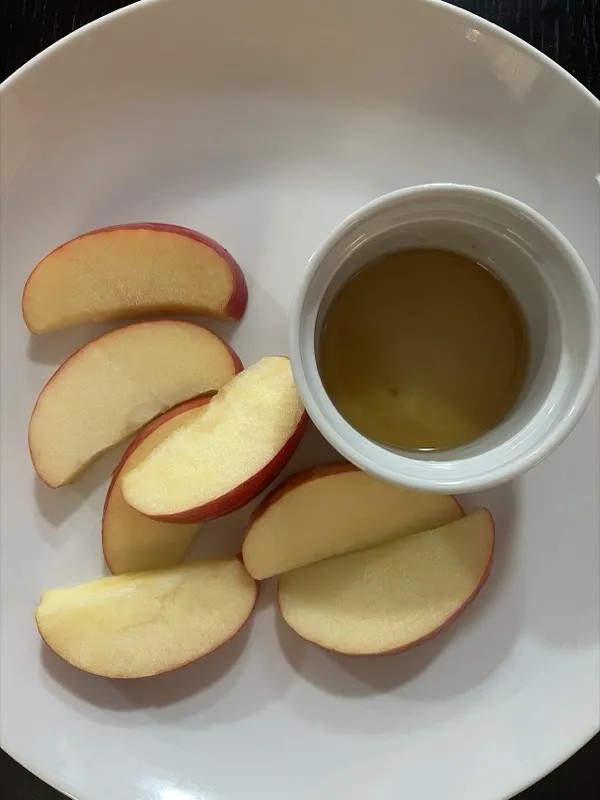
A Taste of Sweetness
There is a moment at nearly every Rosh Hashanah table — whether in Brooklyn, Tel Aviv, Buenos Aires, or Melbourne — when someone picks up a slice of apple, dips it in honey, and says the words: “Yehi ratzon… she-t’chadesh aleinu shanah tovah u’metukah” — “May it be Your will to renew for us a good and sweet year.”
It is one of the simplest rituals in Judaism. A child can do it. No special training, no complicated choreography, no lengthy liturgy. Just an apple, a bowl of honey, and a hope for sweetness. And yet this small act connects you to Jewish communities stretching back over a thousand years, all asking the same thing: let the year ahead be good.
Where Does It Come From?
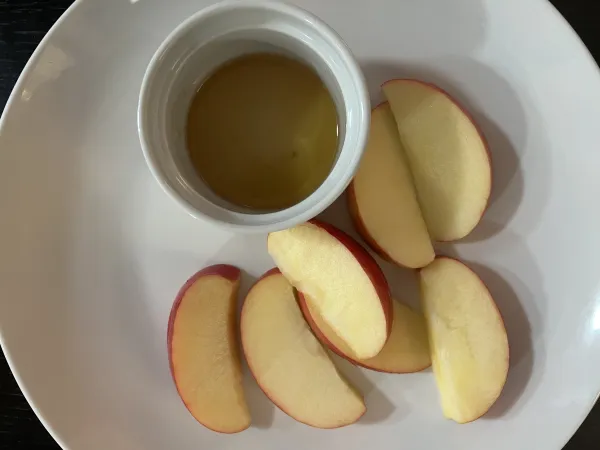
The Talmud (Keritot 6a) records the following teaching: “Abaye said: Now that you have said that symbolic actions are significant, a person should make it a habit to eat on Rosh Hashanah: gourd, fenugreek, leeks, beets, and dates.” The principle is clear — the foods we eat on Rosh Hashanah carry symbolic weight. They are not magic, but they focus our intention. They give physical form to our prayers.
Apples and honey are not mentioned in this Talmudic passage. The specific combination appears in later sources — the earliest clear references come from Ashkenazi authorities in the 7th-8th centuries (the period of the Geonim). By the time of the Shulchan Aruch (16th century), the custom was firmly established: “There are those who eat an apple dipped in honey and say: ‘Renew for us a good and sweet year’” (Orach Chaim 583:1).
Why Apples?
The apple carries multiple layers of symbolism in Jewish tradition:
- The Garden of Eden: The Zohar (mystical commentary) describes the “field of holy apple trees” as a metaphor for the Shechinah — the divine presence. When Jacob receives his father’s blessing, Isaac says “the smell of my son is like the smell of a field that God has blessed” — which the midrash identifies as an apple orchard.
- Beauty and sweetness: The Song of Songs compares the beloved to an apple tree: “As an apple tree among the trees of the forest, so is my beloved among young men” (2:3).
- Harvest timing: Apples ripen in early autumn, making them a natural choice for a September/October holiday.
Why Honey?
Honey represents the sweetest of the sweet:
- The Promised Land is described as “a land flowing with milk and honey” (Exodus 3:8).
- Honey was the most prized sweetener in the ancient world — sugar did not arrive in the Middle East until much later.
- The Torah itself is compared to honey: “How sweet are your words to my taste, sweeter than honey to my mouth” (Psalms 119:103).
The Simanim: A Table of Symbolic Foods
The apple-and-honey custom is actually part of a larger tradition called the simanim (signs/symbols) — a set of foods eaten on Rosh Hashanah night, each accompanied by a short prayer that plays on the food’s name in Hebrew or Aramaic.

Here is a traditional simanim table:
| Food | Hebrew/Aramaic Name | Wordplay/Prayer |
|---|---|---|
| Apple in honey | Tapuach b’dvash | ”May it be Your will to renew for us a good and sweet year” |
| Pomegranate | Rimon | ”May our merits be as plentiful as the seeds of a pomegranate” |
| Dates | Tamar (sounds like “yitamu”) | “May our enemies be consumed” |
| Black-eyed peas | Rubia (sounds like “yirbu”) | “May our merits increase” |
| Leeks | Karti (sounds like “yikartu”) | “May our enemies be cut off” |
| Beets | Silka (sounds like “yistalku”) | “May our adversaries depart” |
| Gourd/squash | Kra (sounds like “yikaru”) | “May the decree of our sentence be torn up and may our merits be read before You” |
| Fish head | Rosh dag | ”May we be the head and not the tail” |
| Carrots | Mehren (Yiddish for “increase”) | “May our merits increase” (Ashkenazi custom) |
Sephardic communities tend to observe the full simanim with great enthusiasm, often including seven or more items. Ashkenazi communities typically focus on apples and honey, round challah, and sometimes pomegranate.
Round Challah
On Shabbat, challah is braided in a long shape. On Rosh Hashanah, it is shaped into a round — symbolizing the cycle of the year, the crown of God’s kingship, and the wholeness we aspire to. Many families also dip the round challah in honey instead of the usual salt, continuing the sweetness theme throughout the meal.
Some bakers add raisins to the Rosh Hashanah challah for extra sweetness. Others shape the challah into a spiral rising upward, symbolizing the aspiration to ascend spiritually in the new year.
Other Rosh Hashanah Food Traditions
Beyond the simanim:
- Honey cake is a classic Ashkenazi Rosh Hashanah dessert — dense, moist, and fragrant with spices. Some families bake it weeks in advance, believing it improves with age.
- Pomegranate is eaten widely across both Sephardic and Ashkenazi communities. The tradition says a pomegranate contains 613 seeds (corresponding to the 613 commandments), though the actual number varies.
- Fish is often served, symbolizing fertility and abundance. A fish head may appear on the table as one of the simanim.
- No nuts — some communities avoid nuts on Rosh Hashanah because the Hebrew word for nut (egoz) has the same numerical value (gematria) as the word for sin (chet).
- No sour or bitter foods — the theme is sweetness, so vinegar-based dishes and bitter herbs are avoided.
The Deeper Meaning
The apple-and-honey custom works on multiple levels:
Physical: You literally taste sweetness. Your senses are engaged. The prayer is not abstract — it is anchored in the real experience of honey on your tongue.
Psychological: The act of choosing sweet foods and articulating hope for a sweet year is a form of positive intention-setting. You are starting the year with an act of optimism.
Communal: Everyone at the table does it together. It is one of the most inclusive Rosh Hashanah customs — no special knowledge required, no gender restrictions, children love it.
Theological: The Jewish calendar does not begin with a party. It begins with judgment — Rosh Hashanah is the Day of Judgment. The sweetness of the apples and honey is a quiet plea in the midst of awe: “Judge us, yes — but let the verdict be sweet.”
Making It Your Own
If you are hosting or attending a Rosh Hashanah dinner, here are some ways to engage with this tradition:
- The basics: Buy good apples (Fuji and Honeycrisp work beautifully) and quality honey. Slice the apples, pour the honey into a small bowl, and say the blessing before eating: first the standard blessing over fruit (borei pri ha-etz), then the Rosh Hashanah prayer for a sweet year.
- Try the full simanim: Set out a plate with multiple symbolic foods and go around the table reading each prayer. It adds 10 minutes to the meal and makes the evening feel genuinely special.
- Round challah with honey: If you bake challah, shape it round. Dip it in honey instead of salt.
- Invite reflection: Go around the table and ask each person to name one thing they hope will be sweet in the coming year.
Summing Up
Apples and honey on Rosh Hashanah is one of those traditions that works because it is simple, sensory, and sincere. You do not need to be a scholar to understand it. You do not need to be religious to feel it. You pick up an apple, dip it in honey, and ask for a sweet year. Across continents and centuries, Jews have been doing exactly that — and there is something profoundly comforting about joining them.
Frequently Asked Questions
Why specifically apples and not another fruit?
Several explanations exist. The Zohar associates the apple with the Shechinah (divine presence) and describes the Garden of Eden as an 'apple orchard.' Apples were also widely available in the autumn harvest season across Jewish communities. There is also a midrash that the field Isaac blessed smelled like apples. Over time, apples became the dominant fruit for this custom, though some Sephardic communities use other fruits as well.
Why honey instead of sugar?
Honey is the Torah's symbol of abundance and sweetness — the land of Israel is described as 'flowing with milk and honey' (though that originally referred to date honey). Bee honey became the standard for this custom because it is natural, dramatic, and carries biblical resonance. Interestingly, the rabbis debated whether bee honey is kosher since bees are not kosher animals — the conclusion is that honey is a plant product transformed by bees, not a product of the bee itself.
Are there other symbolic foods eaten on Rosh Hashanah?
Yes — many communities have an entire seder of symbolic foods called simanim. Common ones include pomegranate (may our merits be as plentiful as its seeds), dates, black-eyed peas, leeks, beets, gourd, and fish head (may we be the head and not the tail). Each food is accompanied by a short prayer that plays on the food's Hebrew name.
Test Your Knowledge
Think you know this topic? Try our quiz!
Take the Jewish Holidays: Advanced Quiz →Key Terms
Sources & Further Reading
Related Articles
The Jewish Calendar: How an Ancient Lunar-Solar System Shapes Jewish Life
The Jewish calendar is a sophisticated lunar-solar system that has kept Jewish holidays, Shabbat, and lifecycle events anchored in their proper seasons for over two thousand years.
Rosh Hashanah: The Jewish New Year
The sound of the shofar marks the beginning of the Jewish New Year — a time of reflection, prayer, and hope for the year ahead.
Shabbat Foods: A Culinary Journey Through the Day of Rest
From Friday night chicken soup to Saturday afternoon cholent — discover the beloved dishes that make Shabbat the most delicious day of the week.