Jewish New Year Resolutions: Cheshbon HaNefesh and the Art of Teshuvah
Forget January 1. The Jewish New Year — Rosh Hashanah — offers a deeper, more structured approach to self-improvement through cheshbon hanefesh, Elul introspection, and practical teshuvah.
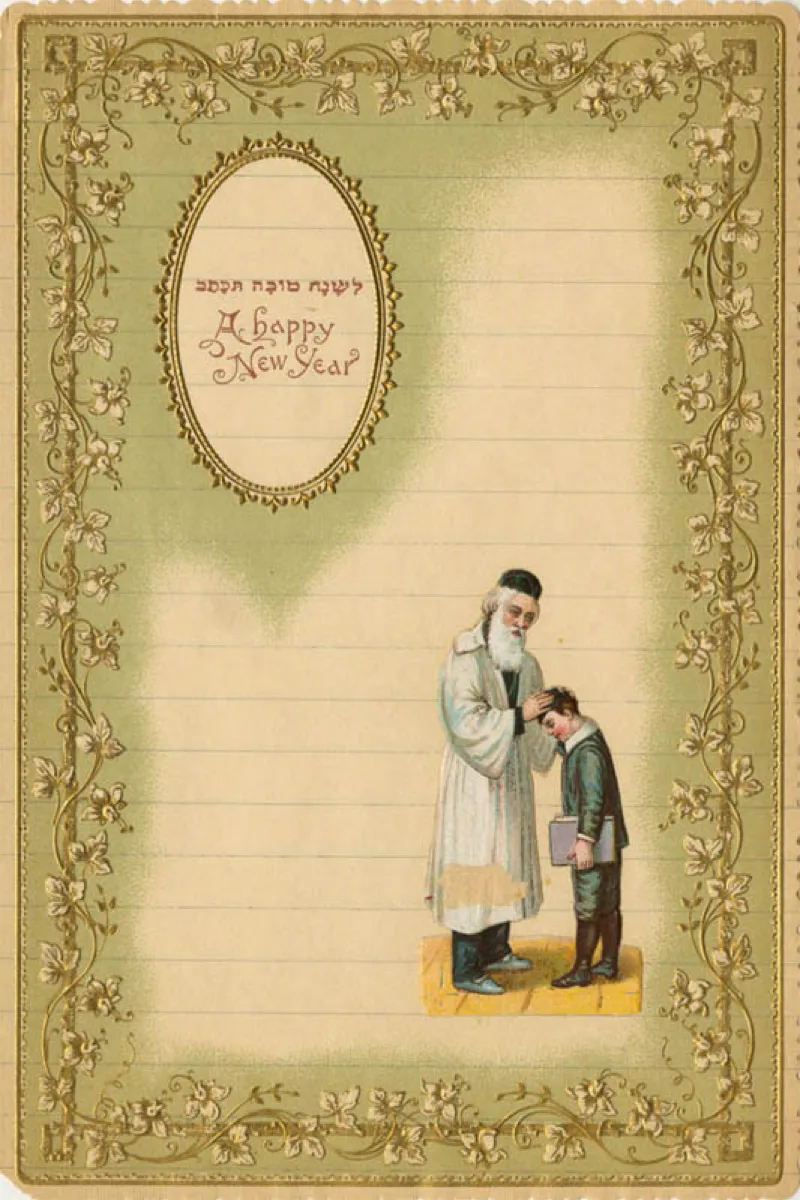
The Original Resolution Season
Every January 1, millions of people make New Year’s resolutions. Lose weight. Exercise more. Read more books. Spend less time on the phone. By January 15, most have been abandoned. By February, they’re forgotten.
Judaism has a different approach. The Jewish resolution season begins not on an arbitrary calendar date but in the Hebrew month of Elul — approximately thirty days before Rosh Hashanah. It comes with a built-in accountability system, a community of support, and three thousand years of psychological wisdom. And it doesn’t focus on your waistline. It focuses on your soul.
Cheshbon HaNefesh: Soul Accounting
The Hebrew phrase cheshbon hanefesh means “accounting of the soul.” Just as a business conducts a financial audit — examining income, expenses, assets, and liabilities — Judaism asks you to conduct a spiritual audit before the new year.
The practice was formalized by Rabbi Menachem Mendel Leffin in his 1812 book Cheshbon HaNefesh, which drew on Benjamin Franklin’s moral improvement system (yes, Franklin — Jewish ethical practice has always been willing to learn from anyone). Leffin identified thirteen character traits to work on, one per week, rotating through them four times a year.
The traits include:
- Menucha (calmness) — not overreacting
- Savlanut (patience) — tolerating difficult people and situations
- Seder (order) — organizing your life and priorities
- Charitzut (diligence) — following through on commitments
- Neqiyut (cleanliness) — physical and moral purity
- Anavah (humility) — accurate self-assessment
- Tzedek (righteousness) — being fair in all dealings
Elul: The Month of Preparation
The month before Rosh Hashanah is Elul, and it functions as Judaism’s built-in preparation period. Every morning during Elul, the shofar is blown — a spiritual alarm clock. The sound is raw, primal, and impossible to ignore. It says: Wake up. Examine yourself. The new year is coming.
During Elul, the tradition encourages you to:
- Review the past year honestly. Where did you fail to live up to your own standards? Where did you hurt others? Where did you hurt yourself?
- Seek forgiveness from people you’ve wronged. This is critical — Yom Kippur can atone for sins between you and God, but sins between you and another person require that person’s forgiveness.
- Make concrete plans for change. Not vague aspirations (“be a better person”) but specific, actionable commitments (“I will call my mother every Sunday,” “I will not speak negatively about colleagues”).
Maimonides’ Steps of Teshuvah
Maimonides defined the process of teshuvah (return/repentance) with characteristic precision:
- Recognition — acknowledge that you did wrong
- Regret — genuinely feel sorry (not just sorry you got caught)
- Confession — verbally admit the wrong (to God, and if applicable, to the person you harmed)
- Resolution — commit to not repeating the behavior
- Behavioral change — demonstrate through action that you have changed
The ultimate test, says Maimonides, is finding yourself in exactly the same situation that caused you to sin before — and this time, choosing differently. That is complete teshuvah.
Practical Teshuvah: What to Do
Here is a practical framework for Jewish New Year resolutions:
Between You and Others
- Make a list of people you may have hurt or neglected this year
- Reach out to each one — in person, by phone, or in writing — and ask for forgiveness
- Be specific: “I’m sorry I didn’t show up for you when your father was ill”
- If they’re not ready to forgive, try again (the tradition says up to three times)
Between You and Yourself
- What habits are holding you back? What patterns keep recurring?
- Choose ONE character trait to work on this year (trying to fix everything at once is a recipe for fixing nothing)
- Set specific, measurable goals
Between You and God
- What spiritual practices have you neglected?
- What brings you closer to transcendence — and what pulls you away?
- Consider: gratitude practice, Shabbat observance, daily prayer, Torah study
Why It Works
The Jewish system works better than January resolutions because it has structure:
- A built-in timeline — Elul provides thirty days of preparation
- Community accountability — everyone is doing it at the same time
- A dramatic climax — the shofar on Rosh Hashanah and the fasting on Yom Kippur create emotional intensity
- A clear process — Maimonides’ steps give you a roadmap
- Annual repetition — every year, you return to the process, building on previous years
The Jewish approach to self-improvement is not a fad or a trend. It is a three-thousand-year-old system, refined by generations of the world’s most serious moral thinkers. It does not promise that change is easy. It promises that change is possible — one honest accounting at a time.
Frequently Asked Questions
What is cheshbon hanefesh?
Cheshbon hanefesh means 'accounting of the soul' — a practice of honest self-examination, particularly during the month of Elul (before Rosh Hashanah). Like a financial audit, it involves systematically reviewing your behavior, relationships, and spiritual state, identifying where you fell short, and making concrete plans for improvement.
How is Jewish teshuvah different from New Year's resolutions?
Secular resolutions focus on self-improvement (lose weight, exercise more). Jewish teshuvah focuses on moral and spiritual repair — mending relationships, correcting wrongs, and growing closer to your best self and to God. Teshuvah also requires action: you must apologize to anyone you've hurt, make amends where possible, and demonstrate change through behavior.
When does the Jewish self-improvement process begin?
The process begins in the Hebrew month of Elul, approximately 30 days before Rosh Hashanah. During Elul, the shofar is blown every morning as a 'wake-up call,' Psalm 27 is recited daily, and Jews begin the work of self-examination and seeking forgiveness from others.
Test Your Knowledge
Think you know this topic? Try our quiz!
Take the Jewish Holidays: Advanced Quiz →Sources & Further Reading
- Rabbi Menachem Mendel Leffin — Cheshbon HaNefesh
- Maimonides — Mishneh Torah, Laws of Teshuvah ↗
- My Jewish Learning — Elul and Teshuvah ↗
Related Articles
High Holiday Preparation: A Complete Guide for Elul and Beyond
The High Holidays don't start on Rosh Hashanah — they start a month earlier, in Elul. Here's your complete guide to spiritual and practical preparation, from selichot prayers to meal planning to the inner work of teshuvah.
Rosh Hashanah Customs and Simanim: A Complete Guide
Rosh Hashanah is rich with customs and symbolic foods — from apples and honey to the head of a fish, from pomegranates to dates. Explore the full simanim table, Ashkenazi vs. Sephardic comparisons, and the meaning behind every tradition.
Rosh Hashanah: The Complete Guide to the Jewish New Year
Everything about Rosh Hashanah — the shofar, teshuvah, tashlich, the meals, the prayers, the customs, and why the Jewish New Year is less celebration and more soul-searching.