Hebrew Months: A Complete Guide to the Jewish Calendar
All twelve (and sometimes thirteen) Hebrew months — their names, meanings, holidays, zodiac signs, tribal associations, and the rhythm of sacred time that governs Jewish life from Nisan to Adar.
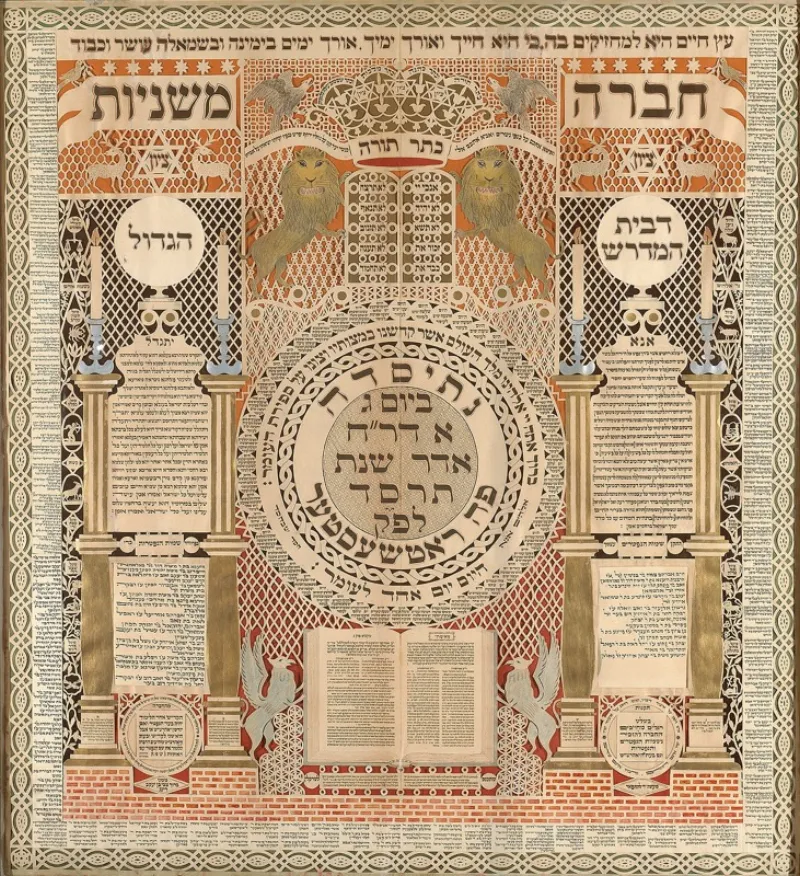
Sacred Time, Month by Month
The Jewish calendar is not just a way of counting days. It is a spiritual architecture — a structure of sacred time that organizes the year around holidays, agricultural rhythms, and cosmic themes. Each Hebrew month carries its own character, its own holidays, its own zodiac sign, and its own place in the cycle of Jewish life.
Understanding the Hebrew months is understanding the rhythm of Jewish existence. From the liberation of Nisan to the joy of Adar, from the judgment of Tishrei to the light-in-darkness of Kislev, each month tells part of the story. Together, they tell the whole thing.
The Calendar System
The Hebrew calendar is lunisolar — months follow the moon, but the year is adjusted to the sun. Each month begins with the new moon (Rosh Chodesh), and months alternate between 29 and 30 days (the lunar cycle is approximately 29.5 days).
Because twelve lunar months total only about 354 days — roughly eleven days short of a solar year — the calendar adds a leap month (a second Adar, called Adar II or Adar Sheni) seven times in every nineteen-year cycle. This keeps Passover in spring, Sukkot in autumn, and the agricultural festivals aligned with their seasons.
The months acquired their current names during the Babylonian exile — most are of Akkadian origin. Before the exile, months were referred to by number or by older Canaanite names.
The Twelve (Thirteen) Months
1. Nisan (March–April)
Zodiac: Aries (Taleh — Lamb) | Tribe: Judah | Letter: Heh
The Torah calls Nisan “the first of months” (Exodus 12:2) — the month of liberation. Its defining event is Passover (15–22 Nisan), commemorating the Exodus from Egypt. The paschal lamb was sacrificed on 14 Nisan; the Israelites crossed the Sea of Reeds during the holiday week.
Nisan is associated with renewal — spring in the land of Israel, the beginning of the barley harvest, the blossoming of the natural world. The Talmud states that the world was created in Nisan (according to Rabbi Joshua; Rabbi Eliezer says Tishrei — the debate continues).
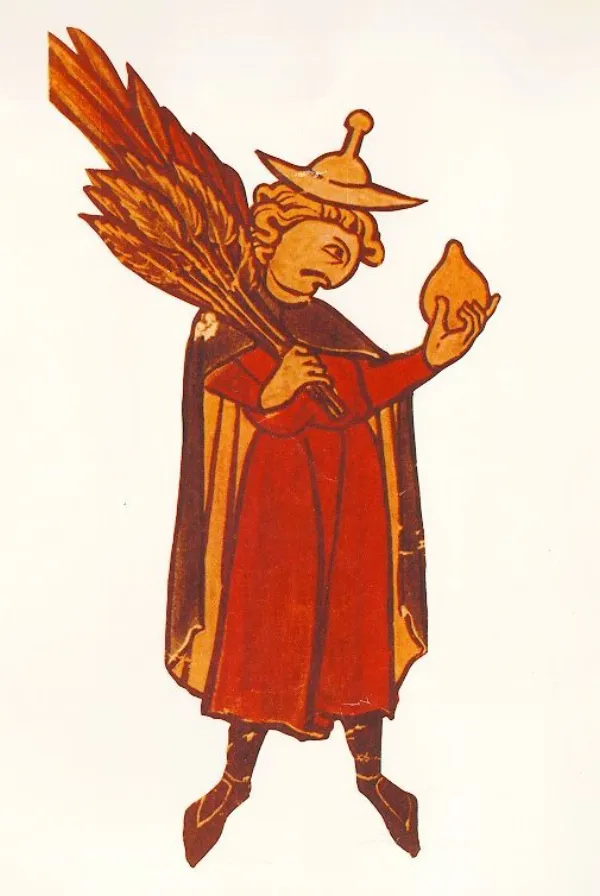
2. Iyar (April–May)
Zodiac: Taurus (Shor — Bull) | Tribe: Issachar | Letter: Vav
Iyar is the month of healing — its Hebrew letters form an acronym for “Ani Hashem Rofekha” (“I am the Lord your Healer,” Exodus 15:26). The Omer count continues through Iyar, linking Passover to Shavuot. Lag B’Omer (18 Iyar) breaks the semi-mourning of the Omer period. Modern observances include Yom HaZikaron (Memorial Day) and Yom HaAtzmaut (Independence Day) in early Iyar.
3. Sivan (May–June)
Zodiac: Gemini (Teomim — Twins) | Tribe: Zebulun | Letter: Zayin
Sivan’s great event is Shavuot (6–7 Sivan) — the festival of the giving of the Torah at Sinai. The “twins” of Gemini are sometimes understood as the two tablets of the law, or as the Written and Oral Torah given together. Sivan is associated with revelation and wisdom.
4. Tammuz (June–July)
Zodiac: Cancer (Sartan — Crab) | Tribe: Reuben | Letter: Chet
Tammuz begins a period of mourning. On 17 Tammuz, the walls of Jerusalem were breached (leading to the Temple’s destruction three weeks later). A three-week mourning period (Bein HaMetzarim — “Between the Straits”) begins, intensifying as Tisha B’Av approaches. The month’s name derives from a Babylonian deity — a reminder of the cultural mixing of the exile period.
5. Av (July–August)
Zodiac: Leo (Aryeh — Lion) | Tribe: Simeon | Letter: Tet
Av contains the saddest day on the Jewish calendar: Tisha B’Av (9 Av) — the anniversary of both Temples’ destruction and numerous other catastrophes. The first nine days are a period of intensified mourning. Yet the month’s second half brightens: Tu B’Av (15 Av) is an ancient festival of love and matchmaking, described by the Talmud as one of the happiest days of the year.
6. Elul (August–September)
Zodiac: Virgo (Betulah — Maiden) | Tribe: Gad | Letter: Yod
Elul is the month of preparation — the thirty days before Rosh Hashanah, devoted to introspection, repentance, and spiritual accounting. The shofar is blown every weekday morning. Sephardic communities begin reciting Selichot (penitential prayers) at the start of Elul; Ashkenazim begin the Saturday night before Rosh Hashanah. Elul’s letters form an acronym for “Ani L’Dodi V’Dodi Li” (“I am my beloved’s and my beloved is mine,” Song of Songs 6:3).
7. Tishrei (September–October)
Zodiac: Libra (Moznayim — Scales) | Tribe: Ephraim | Letter: Lamed
The most holiday-dense month. Rosh Hashanah (1–2 Tishrei) — the Jewish New Year, day of judgment. Yom Kippur (10 Tishrei) — the Day of Atonement, holiest day of the year. Sukkot (15–21 Tishrei) — the harvest festival. Shemini Atzeret / Simchat Torah (22–23 Tishrei) — the conclusion. Libra’s scales perfectly match Tishrei’s theme: judgment, weighing deeds, seeking balance.
8. Cheshvan (October–November)
Zodiac: Scorpio (Akrav — Scorpion) | Tribe: Manasseh | Letter: Nun
Also called Marcheshvan (“bitter Cheshvan”) because it is the only month with no holidays at all. After Tishrei’s intensity, Cheshvan provides rest — a return to ordinary life. Tradition holds that the Third Temple will be dedicated in Cheshvan, finally giving this month its own celebration. The Great Flood began on 17 Cheshvan and ended on 27 Cheshvan.
9. Kislev (November–December)
Zodiac: Sagittarius (Kashat — Archer) | Tribe: Benjamin | Letter: Samekh
The month of Hanukkah (25 Kislev – 2/3 Tevet) — the festival of lights, commemorating the Maccabean victory and the miracle of oil. Kislev’s theme is light in darkness — the holiday falls near the winter solstice, when nights are longest. The increasing candles of the menorah mirror the gradually lengthening days.
10. Tevet (December–January)
Zodiac: Capricorn (Gedi — Kid/Goat) | Tribe: Dan | Letter: Ayin
Hanukkah concludes in early Tevet. 10 Tevet is a fast day commemorating the beginning of Nebuchadnezzar’s siege of Jerusalem. In modern Israel, 10 Tevet has also been designated as a general memorial day for Holocaust victims whose date of death is unknown. Tevet is the month of deepest winter — short days, long nights.
11. Shevat (January–February)
Zodiac: Aquarius (D’li — Bucket/Water-bearer) | Tribe: Asher | Letter: Tzadi
Tu BiShvat (15 Shevat) — the “New Year of Trees” — is Shevat’s signature observance. In the land of Israel, the almond trees begin to blossom, signaling the earliest stirrings of spring. Tu BiShvat seders (modeled on the Passover seder) celebrate the fruit of the land of Israel, and modern environmental movements have embraced the day for tree-planting and ecological awareness.
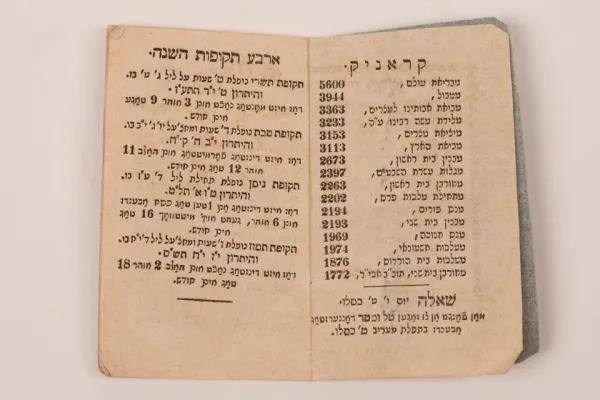
12. Adar (February–March)
Zodiac: Pisces (Dagim — Fish) | Tribe: Naphtali | Letter: Kuf
“When Adar arrives, joy increases” (Ta’anit 29a). Adar is the month of Purim (14 Adar) — the wildest, most joyous holiday on the Jewish calendar. Costumes, noisemakers, gifts of food, charity, and the reading of the Scroll of Esther. The month’s mood is celebratory, carnivalesque, and deliberately upside-down. Adar is associated with luck (the word Purim means “lots” — the lots Haman cast to determine the date of his planned genocide).
13. Adar II (Leap Years Only)
In leap years, a second month of Adar is added. Purim is observed in Adar II (not Adar I), to place it as close to Passover as possible. Adar I becomes the “extra” month — a rare month with no holidays, no special observances, and a liminal quality. It exists to keep the cosmic clock running on time.
The Full Table
| Month | Approx. Dates | Zodiac | Major Holidays | Tribe |
|---|---|---|---|---|
| Nisan | Mar–Apr | Aries | Passover | Judah |
| Iyar | Apr–May | Taurus | Lag B’Omer, Yom HaAtzmaut | Issachar |
| Sivan | May–Jun | Gemini | Shavuot | Zebulun |
| Tammuz | Jun–Jul | Cancer | 17 Tammuz (fast) | Reuben |
| Av | Jul–Aug | Leo | Tisha B’Av, Tu B’Av | Simeon |
| Elul | Aug–Sep | Virgo | Preparation for High Holidays | Gad |
| Tishrei | Sep–Oct | Libra | Rosh Hashanah, Yom Kippur, Sukkot | Ephraim |
| Cheshvan | Oct–Nov | Scorpio | (none) | Manasseh |
| Kislev | Nov–Dec | Sagittarius | Hanukkah | Benjamin |
| Tevet | Dec–Jan | Capricorn | 10 Tevet (fast) | Dan |
| Shevat | Jan–Feb | Aquarius | Tu BiShvat | Asher |
| Adar | Feb–Mar | Pisces | Purim | Naphtali |
The Rhythm of the Year
The Hebrew months are not arbitrary divisions of time. They are chapters in an annual story — a story that moves from liberation (Nisan) through revelation (Sivan), destruction and mourning (Tammuz–Av), repentance and judgment (Elul–Tishrei), darkness-to-light (Kislev), renewal (Shevat), and joy (Adar), before cycling back to liberation again.
This annual rhythm is itself a form of prayer. To live according to the Hebrew calendar is to be reminded, month by month, of the full range of Jewish experience — the heights and the depths, the celebrations and the commemorations, the ordinary weeks and the extraordinary holy days. Time is not empty in Judaism. Every month carries meaning. Every new moon is a fresh beginning.
Frequently Asked Questions
How many months are in the Hebrew calendar?
The Hebrew calendar normally has twelve months, but in leap years (7 out of every 19 years), a thirteenth month — Adar II (Adar Sheni) — is added. This is because the Hebrew calendar is lunisolar: months follow the lunar cycle (approximately 29.5 days each), but the calendar must also align with the solar year to keep holidays in their proper seasons. Without the leap month, Passover would eventually drift into winter. The fixed 19-year cycle (Metonic cycle) keeps the calendar synchronized.
Why does the Jewish year have two 'new years'?
The Torah designates Nisan (spring) as the first month — 'This month shall be for you the beginning of months' (Exodus 12:2). However, Rosh Hashanah (the Jewish New Year) falls on the first of Tishrei (autumn). The Mishnah (Rosh Hashanah 1:1) actually lists four 'new years': 1 Nisan for kings and festivals; 1 Elul for animal tithes; 1 Tishrei for years, sabbatical/jubilee cycles, and planting; and 15 Shevat for trees. Nisan is the religious first month; Tishrei is the civil new year.
What is Rosh Chodesh and how is it observed?
Rosh Chodesh ('head of the month') marks the beginning of each new Hebrew month, corresponding to the new moon. In ancient times, Rosh Chodesh was declared by the Sanhedrin based on eyewitness testimony of the new moon's appearance. Today it is calculated mathematically. Rosh Chodesh is a semi-holiday: special prayers (Hallel, Musaf) are added to the synagogue service, and the Torah is read. Traditionally, Rosh Chodesh has been especially associated with women, who according to tradition were rewarded with this minor holiday for refusing to contribute their jewelry to the golden calf.
Test Your Knowledge
Think you know this topic? Try our quiz!
Take the Jewish Holidays: Advanced Quiz →Sources & Further Reading
Related Articles
The Jewish Calendar: How an Ancient Lunar-Solar System Shapes Jewish Life
The Jewish calendar is a sophisticated lunar-solar system that has kept Jewish holidays, Shabbat, and lifecycle events anchored in their proper seasons for over two thousand years.
Rosh Chodesh: Celebrating the New Moon
Each month the Jewish calendar renews itself with Rosh Chodesh — a minor holiday of blessing, Hallel, Torah reading, and a special connection to women that has endured for millennia.
Sacred Numbers in Judaism: Why 7, 18, and 40 Keep Showing Up
Numbers in Judaism are never just numbers. Seven means creation and rest. Eighteen means life. Forty means transformation. From gematria to the 613 commandments, discover why certain numbers echo through every corner of Jewish tradition.