How to Host an Interfaith Seder: A Guide for Inclusive Passover
An interfaith seder celebrates freedom's universal message while honoring Passover's Jewish roots. Here's how to host one that is meaningful, respectful, and genuinely inclusive.
Freedom Is Universal
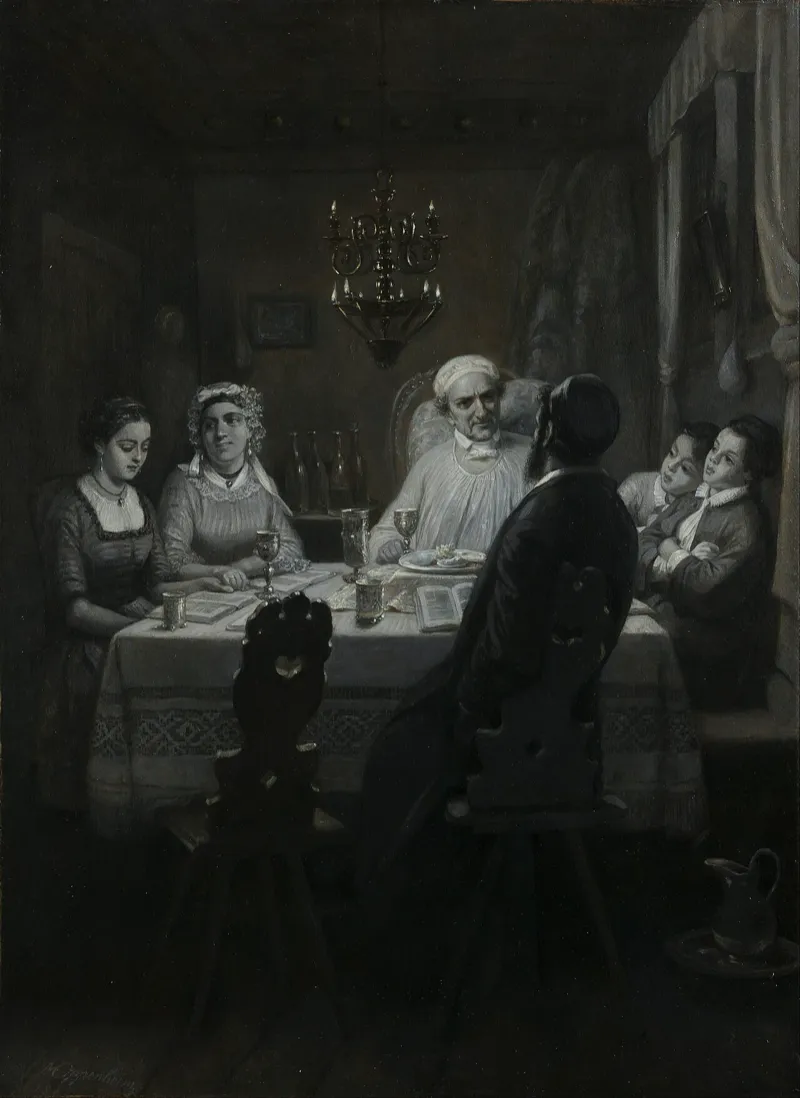
The Passover seder is, at its core, a story about freedom. A people enslaved. A cry for justice. A long walk through the wilderness toward a better future. These themes are not exclusively Jewish — they belong to every human being who has ever yearned to be free, who has ever stood up against oppression, who has ever dared to imagine a world more just than the one they inherited.
This is why the interfaith seder exists. Not to dilute the Jewish tradition, but to share what is universal in it — to invite people of all backgrounds to sit at the table, eat the bread of affliction, ask the questions, and participate in a ritual that has been making people think about freedom for over three thousand years.
If you are hosting an interfaith seder — or attending one — here is how to do it well.
Why Interfaith Seders Matter
The most famous interfaith seder in recent history took place at the White House, beginning in 2009 during the Obama administration. What started as an informal gathering organized by young Jewish staffers became an annual tradition — with the President, staff members of various faiths, and their families sitting together, reading from the Haggadah, and eating matzo ball soup in the Old Family Dining Room.
The White House seder was significant not because it was grand (it wasn’t — it was deliberately informal) but because it demonstrated that the Passover story could resonate across religious and cultural lines without losing its Jewish specificity. The story of the Exodus is a Jewish story. It is also a story that has inspired liberation movements from the American civil rights struggle to the fight against apartheid in South Africa to solidarity movements worldwide.
Planning Your Interfaith Seder
Choosing the Night
Some Jewish communities prefer to hold interfaith seders on a night other than the first or second night of Passover — reserving those nights for traditional family seders. The intermediate days of Passover or the Sunday closest to Passover are common choices for community interfaith events.
If you are hosting a personal interfaith seder in your own home, there is no rule against doing it on the first night. But be sensitive to the fact that some Jewish guests may want to attend a traditional seder on the first night and would prefer the interfaith event on a different evening.
Choosing a Haggadah
The Haggadah is the guide for the seder — the text that tells the story, structures the rituals, and provides the readings. For an interfaith seder, you have several options:
Published interfaith Haggadot: Books like A Night of Questions or the New American Haggadah are designed to be accessible to mixed audiences while maintaining the essential structure.
Create your own: Websites like Haggadot.com allow you to build a custom Haggadah, mixing traditional texts with contemporary readings, poems, and discussion questions. This is an excellent option because you can tailor the content to your specific group.
Supplement a traditional Haggadah: Use a standard Haggadah but add readings, explanations, and contemporary reflections at key points. This maintains the traditional structure while making it accessible.
Whatever you choose, include transliterations of Hebrew blessings so that non-Hebrew speakers can participate in the words.
The Seder Plate
Keep the traditional seder plate intact — its elements are the backbone of the evening:
- Maror (bitter herbs) — the bitterness of slavery
- Charoset (fruit and nut paste) — the mortar used by slaves
- Karpas (green vegetable) — spring, renewal, hope
- Zeroa (shank bone) — the Passover sacrifice
- Beitzah (roasted egg) — mourning and renewal
- Matzo — the bread of affliction, baked in haste
Explain each item at the table. For guests unfamiliar with the seder, these physical symbols are the most powerful teaching tools — more effective than any reading.
What to Include
The Essential Rituals
Even in an interfaith setting, these core elements should be maintained:
-
The Four Questions (Mah Nishtanah) — Have a child (or the youngest person present) ask why this night is different. This is the engine of the seder — it frames the entire evening as an answer to a question.
-
The Story of the Exodus — Tell the story. Use the Haggadah’s narrative, supplemented by contemporary connections. How does the story of liberation from Egypt connect to freedom struggles today?
-
The Three Matzo — Breaking the middle matzo and hiding the afikoman creates suspense and engagement, especially for children.
-
The Four Cups of Wine — Marking the seder’s progression. Grape juice is always an acceptable substitute.
-
The Seder Meal — The food is as important as the text. A shared meal builds community.
-
Dayenu — “It would have been enough.” This song of gratitude is a universal crowd-pleaser. Teach the chorus — it is one word, endlessly repeatable — and everyone can sing along.
Contemporary Additions
Interfaith seders often incorporate:
- A fifth cup for Miriam (water), honoring women’s role in the liberation story
- An orange on the seder plate, symbolizing the inclusion of those marginalized in Jewish life
- Readings about modern freedom struggles — civil rights, refugee crises, human trafficking
- Personal reflections — “What does freedom mean to you?” is a question that generates rich conversation across every background
What’s Sensitive
An interfaith seder works best when it is honest about what it is — a Jewish ritual being shared in an inclusive way. A few points of sensitivity:
Don’t erase the Jewishness. The seder is a Jewish tradition. It should be presented as such, with respect for its origins. An interfaith seder that removes all Jewish content becomes something else — and something less.
Be careful with Christian interpretations. Some Christian traditions have incorporated seder elements into Holy Week observances, which can be meaningful but can also feel appropriative to Jewish participants. If Christian guests draw connections to their own faith, that is natural and welcome. But the seder should not be reframed as a Christian ritual.
The ten plagues. This section can be uncomfortable for guests who are troubled by the suffering of the Egyptians. The traditional practice of removing a drop of wine for each plague — diminishing our joy in recognition of others’ suffering — addresses this beautifully. Discuss it openly.
Israel. The Haggadah concludes with “Next year in Jerusalem!” In a mixed audience, this may prompt questions about Israeli-Palestinian politics. You can address it honestly: the phrase expresses the Jewish longing for homeland and redemption, a theme that resonates across many traditions.
Dietary Accommodations
For the meal, plan carefully:
- No bread, pasta, or leavened grain products during Passover. Serve matzo instead.
- Label everything — especially for guests with allergies, vegetarian/vegan needs, or other restrictions.
- Matzo is not gluten-free (except specialty versions). Have alternatives for guests who cannot eat wheat.
- If keeping kosher for Passover: no chametz, no kitniyot (for Ashkenazi tradition), no mixing meat and dairy. If not keeping kosher, communicate that to guests so observant Jewish attendees can plan accordingly.
Making It Meaningful
The best interfaith seders share three qualities:
- They tell the story well. Not rushed, not academic — told as a living narrative that matters.
- They invite participation. Questions, not lectures. Discussion, not performance. Everyone at the table has something to contribute.
- They feed people. Good food, enough wine, and the warmth that comes from sharing a table with people who might not otherwise sit together.
The Haggadah tells us: “In every generation, each person must see themselves as though they personally came out of Egypt.” At an interfaith seder, this invitation extends beyond the Jewish community. Every person at the table has known some form of bondage — and every person hopes for some form of freedom.
That is what you celebrate together. That is what makes the evening work.
Frequently Asked Questions
Is it appropriate to have an interfaith seder?
Yes, when done thoughtfully. Interfaith seders have a long and positive history, including the famous White House seders begun during the Obama administration. The key is to respect the Jewish roots of the tradition while making the universal themes of freedom and justice accessible to all. Some Jewish communities prefer to hold interfaith seders on a night other than the first or second night of Passover, reserving those for traditional observance.
What Haggadah should I use for an interfaith seder?
Several Haggadot are designed specifically for interfaith use. The 'A Night of Questions' Haggadah by Rabbi Joy Levitt is popular. The New American Haggadah and various social justice Haggadot work well in mixed settings. Many families create their own, blending traditional text with contemporary readings. Free Haggadot are available online from organizations like Haggadot.com, which lets you build a customized version.
How do I handle dietary restrictions at an interfaith seder?
For Passover, the main dietary restriction is chametz (leavened grain products — bread, pasta, beer, etc.). The seder plate items are specific and should be maintained. For the meal, prepare foods that are Passover-friendly and clearly labeled. Be mindful of guests' dietary needs beyond kashrut — vegetarian, vegan, gluten-free, allergies. Matzo is not gluten-free (except specialty versions). Communication beforehand is key: ask guests about restrictions and plan accordingly.
Test Your Knowledge
Think you know this topic? Try our quiz!
Take the Jewish Holidays: Advanced Quiz →Sources & Further Reading
Related Articles
How to Run a Passover Seder: The Complete Host Guide
Everything a first-time host needs: shopping list, table setup, the 15 steps of the seder, timing tips, keeping kids engaged, and getting from 'Kadeish' to 'Nirtzah' without losing anyone.
Interfaith Marriage in Judaism: Love, Law, and the Changing Landscape
With over half of American Jews marrying outside the faith, interfaith marriage is no longer an edge case — it is the center of a conversation about Jewish continuity, love, and identity.
Passover (Pesach): The Festival of Freedom
The story of the Exodus comes alive each spring as Jewish families gather for the Seder — the most widely observed Jewish ritual.