Why Do Jews Circumcise? The Covenant, the Ceremony, and the Debate
Jewish circumcision — brit milah — is one of the oldest continuously observed rituals in the world, a physical sign of the covenant between God and the Jewish people dating back to Abraham.
The Oldest Jewish Ritual
When Abraham was ninety-nine years old, God appeared to him and said: “Walk before Me and be blameless. I will establish My covenant between Me and you” (Genesis 17:1-2). The sign of that covenant? Circumcision — the removal of the foreskin — for Abraham, his household, and every male descendant on the eighth day of life, forever.
That was roughly 3,800 years ago. Jews have been performing brit milah ever since. Through exile, persecution, assimilation pressures, and modernity’s endless questioning, circumcision has endured as one of the most consistently observed Jewish practices in history. Even Jews who eat pork, work on Shabbat, and never set foot in a synagogue overwhelmingly circumcise their sons.
Why? What makes this particular ritual so durable?
The Biblical Foundation
The command appears in Genesis 17:9-14. God tells Abraham:
“This is My covenant, which you shall keep, between Me and you and your offspring after you: every male among you shall be circumcised. You shall circumcise the flesh of your foreskin, and it shall be a sign of the covenant between Me and you. At the age of eight days, every male among you shall be circumcised throughout your generations.”
The passage is remarkably specific. It names the body part. It names the timing. It names the consequences: “Any uncircumcised male who is not circumcised in the flesh of his foreskin — that person shall be cut off from his people; he has broken My covenant.”
This is not a suggestion. In the Torah’s framework, circumcision is the physical mark of belonging to the covenant community. It is branded into the body, permanent and irreversible — a statement that this relationship between God and the Jewish people is not casual or temporary.
Why a Physical Mark?
The question has occupied Jewish thinkers for millennia:
- Maimonides (12th century) offered a dual explanation: circumcision weakens physical desire, promoting moral discipline, and it creates a shared physical mark that unites the community. “The bodily pain caused to that member is the real purpose of circumcision… the fact that circumcision weakens the faculty of sexual excitement and sometimes diminishes the pleasure is indubitable.”
- Nachmanides saw it as sanctifying the body — making the physical vehicle holy, not just the soul.
- The Sefer HaChinuch (13th century) argued that God left humans physically incomplete so that we would complete ourselves through the covenant — just as we perfect grain into bread, we perfect the body through circumcision.
- Modern thinkers emphasize the communal dimension: carrying a mark on your body that connects you to 3,800 years of ancestors and to every other Jewish male who carries the same mark.
The Eighth Day
The timing is not negotiable. Leviticus 12:3 confirms: “On the eighth day, the flesh of his foreskin shall be circumcised.” The brit milah takes place on the eighth day of life, counting from birth, even if that day falls on Shabbat, Yom Kippur, or any other holiday.
This is extraordinary. Very few commandments override Shabbat. The fact that circumcision does tells you everything about its priority in Jewish law.
If the baby is born on Tuesday, the brit is the following Tuesday. If born at twilight, the exact timing depends on when Jewish law considers the day to have begun, and rabbinic authorities are consulted.
The Ceremony
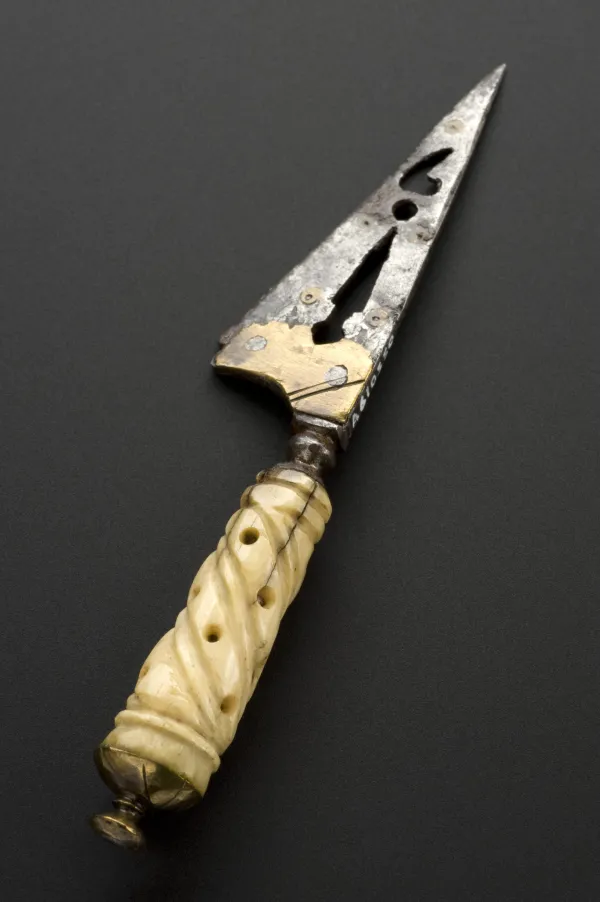
A brit milah is typically held in the morning (based on Abraham’s eagerness — he rose early to perform God’s command). It can take place at home, in a synagogue, or in a community hall. Here is what happens:
Key Participants
- Mohel: A trained specialist who performs the circumcision. A mohel has both religious training (knowledge of the relevant Jewish laws) and medical/surgical training. Many mohels are also physicians.
- Sandek: The person who holds the baby during the procedure — considered one of the highest honors in Jewish life. Traditionally a grandfather or respected community member.
- Kvatter/Kvatterin: The couple who carries the baby into the room, sometimes compared to godparents.
The Procedure
- The baby is brought into the room. The assembled guests stand and say “Baruch haba” — “Blessed is the one who comes.”
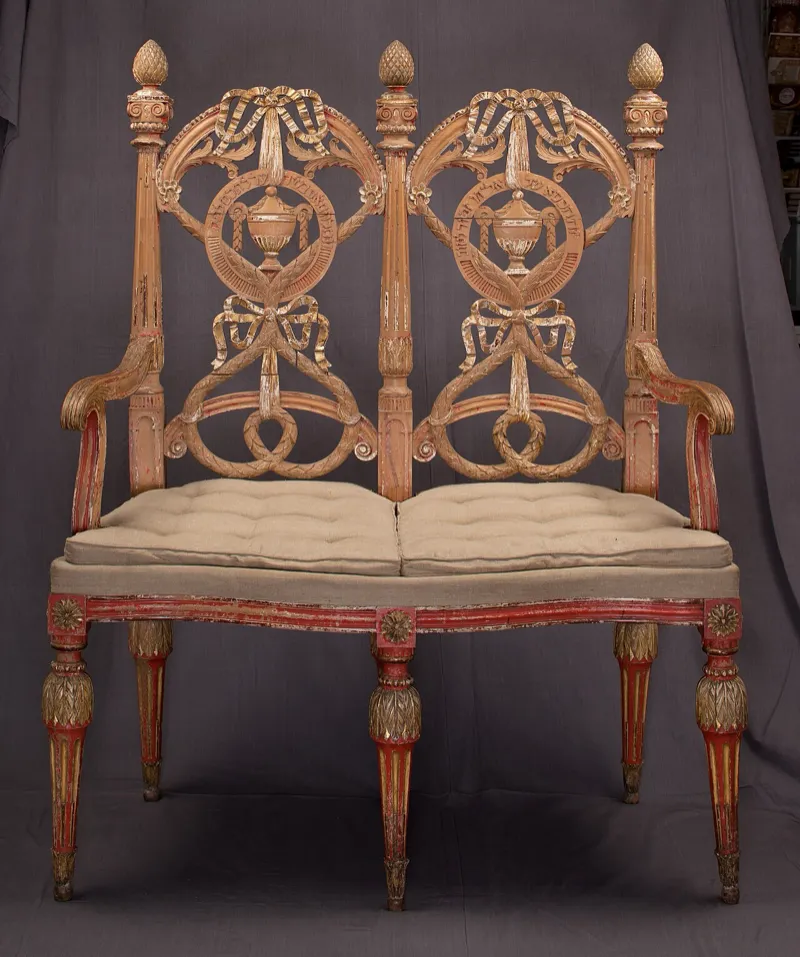
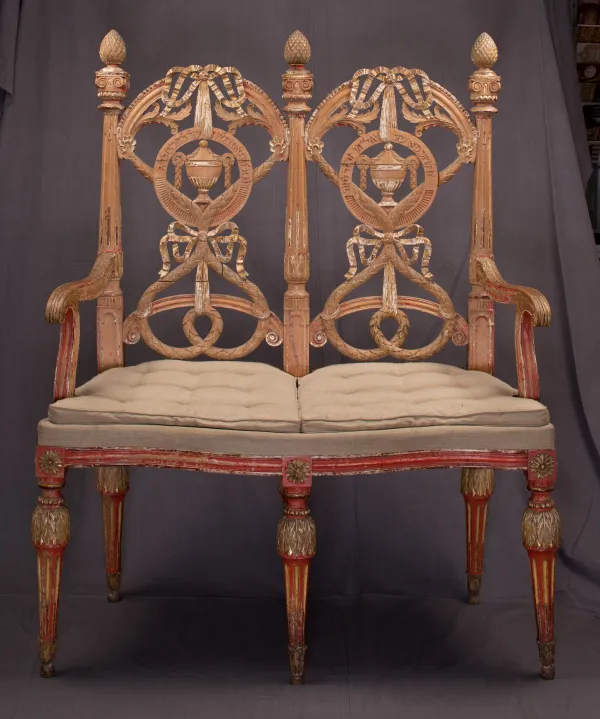
- The baby is placed on a special pillow, sometimes on a chair designated as the “Chair of Elijah” — based on the tradition that the prophet Elijah attends every brit.
- The sandek holds the baby. The mohel recites a blessing.
- The father recites: “Blessed are You… who has commanded us to bring him into the covenant of Abraham our father.”
- The circumcision is performed. (It takes seconds.)
- The assembled guests respond: “Just as he has entered the covenant, so may he enter into Torah, the marriage canopy, and good deeds.”
- A blessing is recited over wine, and the baby’s Hebrew name is announced for the first time.
- A festive meal follows — a seudat mitzvah (commanded meal).
The Naming
In Ashkenazi tradition, the baby’s Hebrew name is kept secret until the brit — this is the first time the community hears it. (Sephardic families often name children after living relatives and may announce the name earlier.) The naming is an integral part of the ceremony and is one reason why the brit feels like more than a medical procedure — it is the child’s formal entry into the Jewish people.
Medical vs. Religious
It is worth distinguishing between medical circumcision (performed in hospitals, often by obstetricians, within a day or two of birth) and brit milah (performed by a mohel on the eighth day with religious ceremony). Many American Jews do both — a hospital circumcision followed by a symbolic brit ceremony — but traditional practice calls for the mohel to perform the actual circumcision as a religious act.
The American Academy of Pediatrics has stated that the medical benefits of circumcision (reduced risk of urinary tract infections, STIs, and penile cancer) outweigh the risks, though they stop short of recommending universal circumcision. For Jewish families, the medical question is secondary — the brit is performed because God commanded it, not because of its health benefits.
Modern Debates
Circumcision is not without controversy, even within the Jewish community:
- Anti-circumcision movement: A small number of Jewish parents, particularly in secular and progressive circles, have chosen not to circumcise, citing bodily autonomy and medical ethics. Some opt for brit shalom — a naming ceremony without circumcision. This remains a tiny minority, but it generates significant discussion.
- European legal challenges: Several European countries have debated banning circumcision of minors. Jewish communities have vigorously opposed such legislation, viewing it as a threat to religious freedom and a practice that has been central to Jewish identity for millennia.
- Traditional response: The overwhelming consensus across all major denominations — Orthodox, Conservative, Reform, and Reconstructionist — is that brit milah is a core Jewish practice. Even the most liberal movements affirm it. Rabbi Moses Isserles wrote in the 16th century: “It is a mitzvah that the Jewish people have accepted with joy, and we should continue to perform it with joy.”
Historical Resilience
The history of brit milah is also a history of Jewish survival. Under the Seleucid Greeks (2nd century BCE), circumcision was banned on pain of death — and Jews continued to circumcise, contributing to the Maccabean revolt. Under Roman rule, the Emperor Hadrian banned circumcision, sparking the Bar Kokhba revolt. Under the Soviet Union, circumcision was discouraged and socially dangerous — yet many families found ways to perform it secretly.
The Talmud (Shabbat 130a) observes: “Every mitzvah that the Jews accepted with joy — like circumcision — they still perform with joy.” This observation, made nearly 2,000 years ago, remains true today.
Summing Up
Brit milah is simultaneously one of Judaism’s most ancient practices and one of its most contemporary debates. It marks the body permanently, binds a child to a covenant 3,800 years old, and transforms a medical procedure into a moment of communal celebration and spiritual significance. Whether you see it as a divine command, a cultural tradition, or a practice worth questioning, understanding brit milah is essential to understanding what it means to enter the Jewish people.
Frequently Asked Questions
Why does circumcision happen on the eighth day?
The Torah specifies the eighth day explicitly (Genesis 17:12, Leviticus 12:3). Some commentators suggest medical reasons — vitamin K and clotting factors reach adequate levels around the eighth day. Others emphasize the symbolism: seven days represent a complete natural cycle (as in creation), and the eighth day represents going beyond nature into the realm of covenant. The eighth day is so important that the brit milah is performed even if it falls on Shabbat or Yom Kippur.
What if a baby is sick or premature — is the brit delayed?
Yes. Jewish law prioritizes the baby's health above all else. If a baby is jaundiced, underweight, premature, or unwell in any way, the brit is postponed until the baby is healthy. The principle of pikuach nefesh — saving a life takes priority over nearly all other commandments — applies fully. There is no shame or stigma in delaying.
Do all Jewish denominations practice circumcision?
The vast majority do. Circumcision is one of the few practices observed across virtually all Jewish denominations — Orthodox, Conservative, Reform, and Reconstructionist all affirm brit milah. However, a small but growing number of secular and progressive Jews have questioned the practice, and some opt for alternative ceremonies (brit shalom — a covenant of peace without circumcision). This remains highly controversial within the Jewish community.
Key Terms
Sources & Further Reading
Related Articles
Orthodox, Conservative, and Reform: Understanding Jewish Denominations
Judaism is not monolithic — it encompasses diverse movements from Ultra-Orthodox to Reform, each with its own approach to tradition, law, and modern life.
Jewish Lifecycle: From Birth to Death
Judaism marks every stage of life with sacred rituals — from the brit milah eight days after birth to the traditions of mourning and remembrance.
Torah Portions: The Weekly Reading Cycle
Every week, Jewish communities worldwide read the same Torah portion. Explore the 54 parashot, the system of aliyot, the Haftarah connection, and the joyous restart on Simchat Torah.