Jewish Prayer Texts: Key Prayers with Hebrew and Translation
The essential Jewish prayers with full Hebrew text and English translation — Shema, Amidah opening, Kaddish, Birkat Hamazon opener, Modeh Ani, and more.
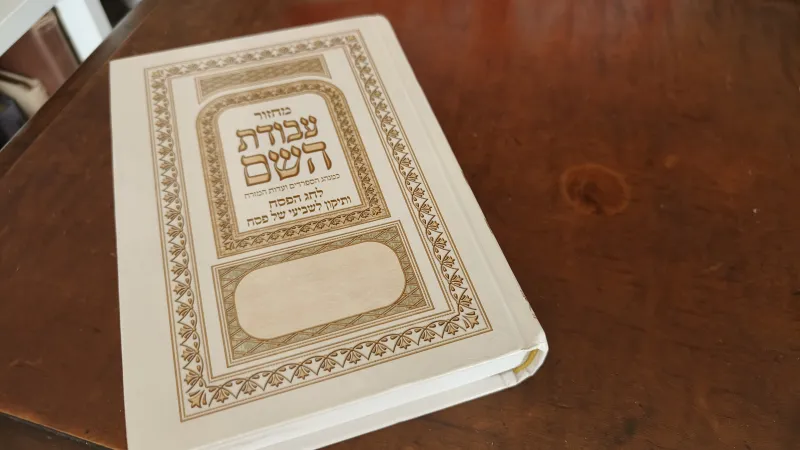
The Words That Build the World
Jewish tradition teaches that prayer sustains the world. Three times daily, Jews turn toward Jerusalem and speak words that have been said for thousands of years. Here are the key prayers every Jewish person should know.
The Shema
The most fundamental Jewish declaration of faith, recited morning and evening:
שְׁמַע יִשְׂרָאֵל יְהוָה אֱלֹהֵינוּ יְהוָה אֶחָד
Shema Yisrael, Adonai Eloheinu, Adonai Echad.
“Hear, O Israel: the Lord our God, the Lord is One.”
Followed by (in a whisper): Baruch shem k’vod malchuto l’olam va’ed — “Blessed be the name of His glorious kingdom forever and ever.”
The Shema continues with three paragraphs from the Torah (Deuteronomy 6:4-9, Deuteronomy 11:13-21, Numbers 15:37-41) addressing love of God, reward and consequence, and the commandment of tzitzit.
For the complete text and deeper meaning, see our Shema article.
The Amidah (Opening)
The Amidah (Standing Prayer) is the core of every Jewish service. The opening blessing:
בָּרוּךְ אַתָּה יְהוָה אֱלֹהֵינוּ וֵאלֹהֵי אֲבוֹתֵינוּ, אֱלֹהֵי אַבְרָהָם, אֱלֹהֵי יִצְחָק, וֵאלֹהֵי יַעֲקֹב, הָאֵל הַגָּדוֹל הַגִּבּוֹר וְהַנּוֹרָא, אֵל עֶלְיוֹן…
Baruch Atah Adonai, Eloheinu v’Elohei avoteinu, Elohei Avraham, Elohei Yitzchak, v’Elohei Ya’akov, ha’El hagadol hagibor v’hanora, El Elyon…
“Blessed are You, Lord our God and God of our ancestors, God of Abraham, God of Isaac, and God of Jacob, the great, mighty, and awesome God, God Most High…”
(Many egalitarian prayer books add: “God of Sarah, God of Rebecca, God of Rachel, and God of Leah.”)
For the full Amidah, see our Amidah article.
Mourner’s Kaddish
The prayer recited by mourners, praising God despite loss:
יִתְגַּדַּל וְיִתְקַדַּשׁ שְׁמֵהּ רַבָּא, בְּעָלְמָא דִּי בְרָא כִרְעוּתֵהּ…
Yitgadal v’yitkadash sh’mei raba, b’alma di v’ra chirutei…
“May God’s great name be magnified and sanctified in the world which He created according to His will…”
Congregation responds: Amein. Y’hei sh’mei raba m’varach l’alam ul’almei almaya. — “Amen. May His great name be blessed forever and for all eternity.”
Note: The Kaddish never mentions death. It is an affirmation of faith in the face of loss. See our Kaddish article.
Modeh/Modah Ani
The first words upon waking:
מוֹדֶה אֲנִי לְפָנֶיךָ מֶלֶךְ חַי וְקַיָּם, שֶׁהֶחֱזַרְתָּ בִּי נִשְׁמָתִי בְּחֶמְלָה, רַבָּה אֱמוּנָתֶךָ.
Modeh ani l’fanecha, Melech chai v’kayam, shehechezarta bi nishmati b’chemlah, raba emunatecha.
“I gratefully acknowledge You, living and eternal King, for You have returned my soul within me with compassion — great is Your faithfulness.”
See our Modeh Ani article.
Birkat Hamazon (Opening)
Grace After Meals begins:
בָּרוּךְ אַתָּה יְהוָה אֱלֹהֵינוּ מֶלֶךְ הָעוֹלָם, הַזָּן אֶת הָעוֹלָם כֻּלּוֹ בְּטוּבוֹ, בְּחֵן בְּחֶסֶד וּבְרַחֲמִים…
Baruch Atah Adonai, Eloheinu Melech ha’olam, hazan et ha’olam kulo b’tuvo, b’chen b’chesed uv’rachamim…
“Blessed are You, Lord our God, King of the universe, who feeds the entire world with His goodness, with grace, with kindness, and with compassion…”
For the full text, see our Birkat Hamazon guide.
Priestly Blessing (Birkat Kohanim)
יְבָרֶכְךָ יְהוָה וְיִשְׁמְרֶךָ יָאֵר יְהוָה פָּנָיו אֵלֶיךָ וִיחֻנֶּךָּ יִשָּׂא יְהוָה פָּנָיו אֵלֶיךָ וְיָשֵׂם לְךָ שָׁלוֹם
Y’varechecha Adonai v’yishmerecha. Ya’er Adonai panav eilecha vichuneka. Yisa Adonai panav eilecha v’yasem l’cha shalom.
“May the Lord bless you and keep you. May the Lord make His face shine upon you and be gracious to you. May the Lord lift up His face to you and grant you peace.”
(Numbers 6:24-26)
See our Priestly Blessing article.
Shema at Bedtime
The Bedtime Shema includes the Shema, a prayer for protection, and the words: B’yadcha afkid ruchi — “Into Your hand I entrust my spirit.”
Where to Learn More
- Jewish prayer guide
- Complete blessings reference
- Hallel prayer
- Aleinu
- Ein Keloheinu
- Adon Olam
- Lecha Dodi
These prayers are the heartbeat of Jewish life — spoken in synagogues, homes, hospitals, and battlefields for thousands of years. They are the words that connect every Jew to every other Jew, across time and space.
Frequently Asked Questions
What is the most important Jewish prayer?
The Shema is considered the most important Jewish prayer — or more precisely, declaration of faith. 'Hear, O Israel: the Lord our God, the Lord is One.' It is recited twice daily (morning and evening) and is the last prayer a Jew is supposed to say before death. The Amidah (Standing Prayer) is the central prayer of every Jewish worship service.
Do you need to pray in Hebrew?
While Hebrew is the traditional and preferred language for Jewish prayer, most authorities allow prayer in any language you understand. The Mishnah explicitly permits certain prayers in any language. However, many Jews learn key prayers in Hebrew even if they don't speak the language fluently.
How often do Jews pray?
Traditional Jews pray three times daily: Shacharit (morning), Mincha (afternoon), and Ma'ariv (evening). On Shabbat and holidays, a fourth service (Musaf) is added. On Yom Kippur, a fifth service (Ne'ilah) is added. Each service centers on the Amidah prayer.
Sources & Further Reading
Related Articles
The Amidah: Judaism's Central Standing Prayer
The Amidah — nineteen blessings recited standing, facing Jerusalem, three times daily — is the backbone of every Jewish prayer service. Explore its structure, meaning, and the spiritual practice of standing before God.
Kaddish: The Mourner's Prayer That Never Mentions Death
The Kaddish — Judaism's most famous prayer — is not about death at all. Written in Aramaic, it is a bold declaration of God's greatness, spoken precisely when faith feels most difficult.
The Shema: Judaism's Most Essential Prayer
Six Hebrew words — 'Hear, O Israel, the Lord our God, the Lord is One' — form the bedrock of Jewish faith, recited morning and evening, in joy and on the deathbed.