How to Read Hebrew: A Beginner's Guide to the Hebrew Alphabet
Hebrew is read right to left, starts with consonants, and adds vowel marks (nikkud) for beginners. Here is how to get started — the alphabet, vowels, practice words, and tips for building speed.
Right to Left, One Letter at a Time
Hebrew is one of the world’s oldest living languages — spoken for over 3,000 years, nearly died out as a spoken language, and was revived in the 19th-20th centuries. Today it is spoken by over 9 million people, primarily in Israel. But for many Jews worldwide, Hebrew serves a specific purpose: prayer, Torah reading, and connection to tradition.
The good news: learning to read Hebrew — to decode the letters and sound out words — is far easier than most people expect. The alphabet has only 22 letters. There are no capital letters. And with vowel markings, Hebrew is almost perfectly phonetic: what you see is what you say.
Here is how to start.
The Basics
Reading Direction
Hebrew reads right to left. This feels disorienting at first but becomes natural quickly. Books open from what English readers would consider the “back.” Lines of text start on the right side of the page.
Consonants First
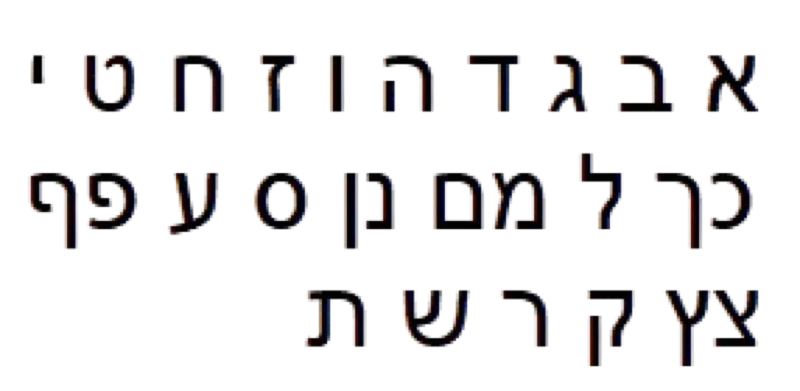
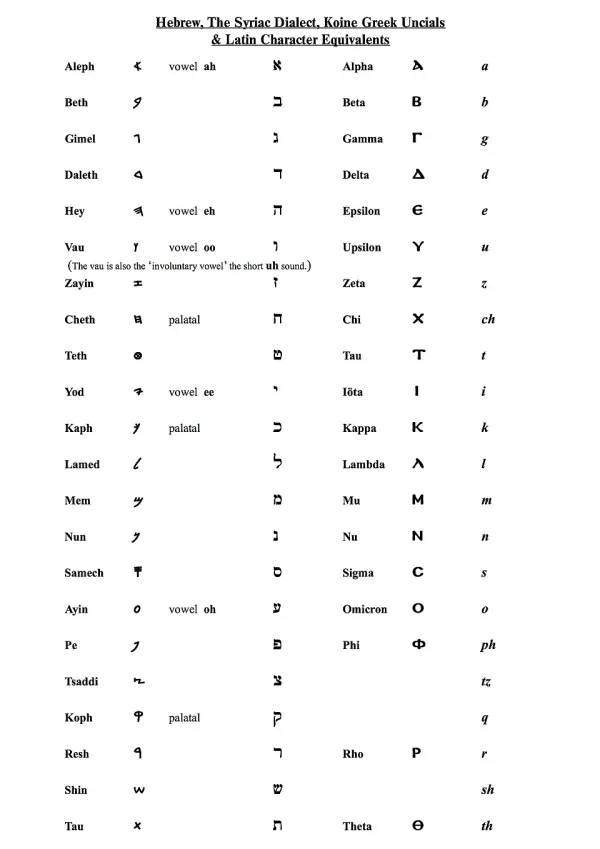
The Hebrew alphabet consists of 22 consonant letters. In modern Israeli Hebrew, some letters share the same pronunciation, so you have fewer sounds to learn than letters.
The Alef-Bet
| Letter | Name | Sound | Letter | Name | Sound |
|---|---|---|---|---|---|
| א | Alef | Silent/glottal | ל | Lamed | L |
| ב | Bet/Vet | B or V | מ/ם | Mem | M |
| ג | Gimel | G | נ/ן | Nun | N |
| ד | Dalet | D | ס | Samech | S |
| ה | Hey | H | ע | Ayin | Silent/guttural |
| ו | Vav | V (or O/U) | פ/ף | Pey/Fey | P or F |
| ז | Zayin | Z | צ/ץ | Tsadi | Ts |
| ח | Chet | Ch (guttural) | ק | Kof | K |
| ט | Tet | T | ר | Resh | R |
| י | Yod | Y (or I/E) | ש | Shin/Sin | Sh or S |
| כ/ך | Kaf/Chaf | K or Ch | ת | Tav | T |
Five letters have final forms — different shapes when they appear at the end of a word: Mem (ם), Nun (ן), Tsadi (ץ), Pey/Fey (ף), and Kaf/Chaf (ך).
Some letters have two sounds depending on whether they have a dot (dagesh) inside:
- ב = B (with dot) or V (without dot)
- כ = K (with dot) or Ch (without dot)
- פ = P (with dot) or F (without dot)
- ש = Sh (dot on upper right) or S (dot on upper left)
Vowels (Nikkud)
Here is the thing that makes Hebrew tricky: the alphabet is consonants only. Vowels are indicated by small dots and dashes placed above and below the letters. This system is called nikkud (pointing).
Common vowel marks:
| Symbol | Name | Sound | Example |
|---|---|---|---|
| ַ (line below) | Patach | ”ah” | Like “father” |
| ָ (T-shape below) | Kamatz | ”ah” | Like “father” |
| ִ (dot below) | Chirik | ”ee” | Like “see” |
| ֶ (two dots below) | Segol | ”eh” | Like “bed” |
| ֵ (two dots below, horizontal) | Tsere | ”ey” | Like “they” |
| ֹ (dot above left) | Cholam | ”oh” | Like “go” |
| וּ (dot in vav) | Shuruk | ”oo” | Like “food” |
| ֻ (three diagonal dots below) | Kubutz | ”oo” | Like “food” |
| ְ (two vertical dots below) | Shva | Quick “uh” or silent | Very short |
The key insight: In prayer books and children’s texts, vowels are written. In newspapers, novels, and most adult Hebrew, vowels are not written — readers infer them from context. This is why fluent reading takes longer than basic decoding.
Practice Words
Start with words you already know:
- שָׁלוֹם — Shalom (peace/hello)
- תּוֹרָה — Torah (teaching/law)
- שַׁבָּת — Shabbat (Sabbath)
- בָּרוּךְ — Baruch (blessed)
- אָמֵן — Amen
- יִשְׂרָאֵל — Yisrael (Israel)
- מִצְוָה — Mitzvah (commandment)
- חַלָּה — Challah (braided bread)
Practice sounding these out letter by letter, right to left. The first few will be slow. By the eighth word, you will feel the pattern clicking.
Common Combinations and Patterns
As you practice, you will notice recurring letter combinations:
- הַ (ha-) — “the” — appears at the beginning of many words
- בְּ (b’-) — “in” — attached as a prefix
- לְ (l’-) — “to” or “for” — another common prefix
- וְ (v’-) — “and” — the most common word in the Torah, attached as a prefix
- -ים (-im) — masculine plural ending
- -ות (-ot) — feminine plural ending
Recognizing these patterns speeds up reading enormously.
Tips for Building Speed
- Practice 10-15 minutes daily rather than one long session weekly. Frequency beats duration.
- Read along with recordings. Many prayer recordings are available online — listen while following the Hebrew text.
- Start with prayers you know by ear. If you can already sing the Shema, following the written text is much easier because your brain already knows what comes next.
- Use a pointer. Move your finger under the text right to left. This keeps your eyes tracking in the correct direction.
- Do not worry about understanding. First learn to decode (pronounce). Comprehension comes later. These are separate skills.
- Be patient with yourself. You are learning a new script, a new direction, and new sounds. Stumbling is normal.
Recommended Resources
Apps
- Duolingo Hebrew — Free, gamified, focused on modern conversational Hebrew.
- HebrewPod101 — Audio-based with reading components.
- Read Hebrew — Specifically designed for learning to decode the alphabet.
Books
- “Aleph Isn’t Tough” by Linda Motzkin — A classic self-study book for adults learning to read Hebrew.
- “Hebrew from Scratch” (Ivrit Min Ha’Hatchala) — The standard textbook used in Israeli ulpan (intensive Hebrew classes).
- Prayer book with transliteration — Many siddurim (prayer books) include transliteration alongside Hebrew. This serves as training wheels.
Classes
- Synagogue Hebrew reading classes — Most synagogues offer beginner Hebrew reading. These are typically free or low-cost.
- Ulpan — Intensive Hebrew programs, available in Israel and many cities worldwide.
- Online tutors — One-on-one instruction via video call. Platforms like italki connect learners with native speakers.
How Long Will It Take?
Realistic timeline for an adult learner:
- 1-2 hours: Learn to recognize all 22 letters.
- 3-5 hours: Start sounding out simple words with vowels.
- 5-10 hours: Decode basic prayers slowly.
- 2-4 weeks (with daily practice): Read prayers at a slow but steady pace.
- 3-6 months: Read along with a synagogue service at a comfortable speed.
- 1-2 years: Begin reading without vowels (modern Hebrew).
- 3+ years: Approach fluency in reading comprehension.
Most people who want to participate in services only need to get to the 3-6 month mark. You do not need to be fluent — you need to be able to follow along.
Summing Up
Learning to read Hebrew is a deeply rewarding skill that connects you to 3,000 years of Jewish text, prayer, and thought. The alphabet is small, the vowel system is logical, and the satisfaction of decoding your first Hebrew word is hard to describe. Start with the letters, add the vowels, practice with words you already know, and give yourself the gift of patience. The language that carried Jewish civilization through millennia is waiting for you — 22 letters at a time.
Frequently Asked Questions
How long does it take to learn to read Hebrew?
Learning to decode Hebrew — recognizing the letters and sounding out words with vowel marks — takes most adults 5-10 hours of focused study. Many people achieve basic decoding in a weekend crash course. Fluent, fast reading for prayer takes 3-6 months of regular practice. Actually understanding Hebrew (reading for meaning) is a much longer journey — years of study for true proficiency. But you do not need to understand every word to participate meaningfully in prayer.
What is the difference between reading Hebrew and understanding Hebrew?
Reading Hebrew (decoding) means you can sound out the letters and pronounce the words. Many Jews who participate in synagogue services can read/decode Hebrew without understanding every word — they know the prayers by pattern and melody. Understanding Hebrew (comprehension) means you know what the words mean. These are two separate skills, and most beginners start with decoding, which is much faster to learn.
Should I learn block letters or script (cursive) Hebrew first?
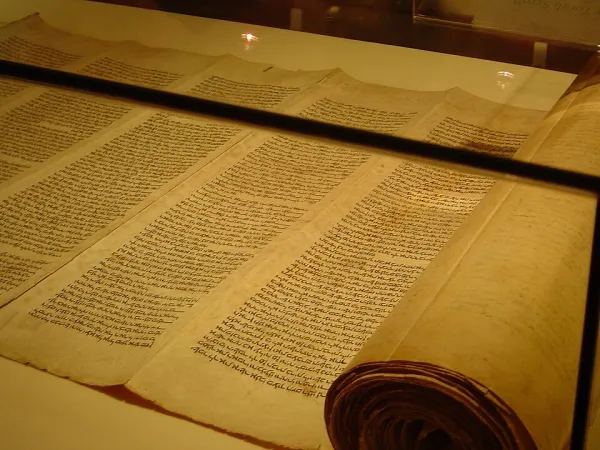
Start with block letters (also called print or square letters). These are what you will see in prayer books, Torah scrolls, and most religious texts. Script (cursive) Hebrew is used for handwriting in Israel and is a different set of letter shapes. If your goal is to read prayers and Jewish texts, block letters are all you need. If you plan to write in Hebrew or live in Israel, add script later.
Sources & Further Reading
Related Articles
Hebrew: The Language of the Torah and Israel
From an ancient sacred tongue to a modern spoken language — the remarkable story of Hebrew's revival.
The Synagogue: House of Prayer, Study, and Assembly
More than just a place of worship — the synagogue is the heart of Jewish community life, combining prayer, learning, and social gathering under one roof.
Torah Portions: The Weekly Reading Cycle
Every week, Jewish communities worldwide read the same Torah portion. Explore the 54 parashot, the system of aliyot, the Haftarah connection, and the joyous restart on Simchat Torah.