Volunteering on a Kibbutz: What to Know Before You Go
Kibbutz volunteering has drawn young people to Israel for decades. Here's what the experience is really like — the work, the schedule, the food, and whether it's still worth doing.
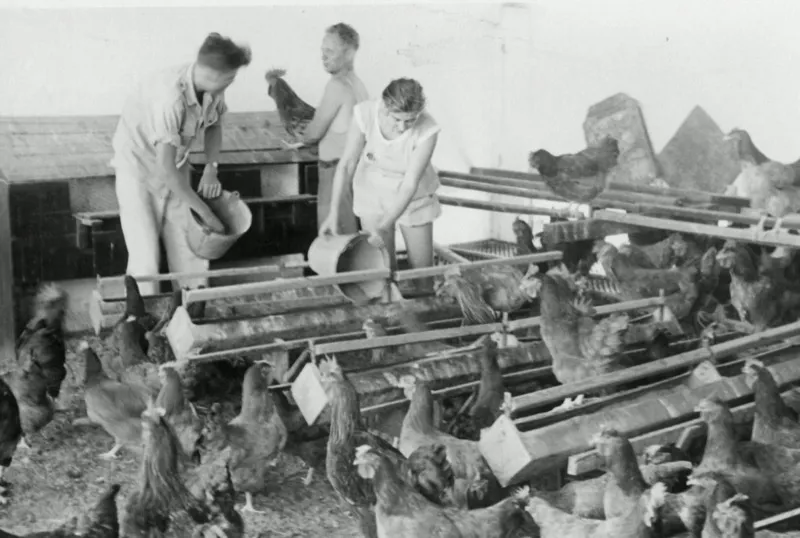
The Call of the Kibbutz
For decades, “volunteering on a kibbutz” has been one of those phrases that conjures a very specific image: a twenty-something with a backpack, picking oranges in the blazing Israeli sun, eating communal meals in a dining hall, sleeping in a simple room, and having one of those transformative experiences that people talk about for the rest of their lives.
The reality was always more complicated than the mythology — the work was harder, the rooms were smaller, and the transformative experience sometimes consisted mainly of learning that you are not cut out for agricultural labor at 5 AM. But the core of the experience was real: a chance to live in a communal society, to work with your hands, to experience Israel from the inside, and to meet people from every corner of the world.
Today, the kibbutz movement has changed dramatically. Most kibbutzim have privatized to varying degrees. The communal dining hall may charge for meals. The children’s houses are gone. The socialist ideology that once animated these communities has softened into something more pragmatic. But kibbutz volunteering still exists — adapted, evolved, and still capable of changing lives.
A Brief History of Kibbutz Volunteering
The first kibbutz volunteers arrived in the 1960s, when Israel’s labor-intensive agricultural economy needed hands and the counterculture movement was sending young Westerners in search of alternative lifestyles. The kibbutz offered both: meaningful work, communal living, and a chance to be part of something idealistic in a country that was still building itself.
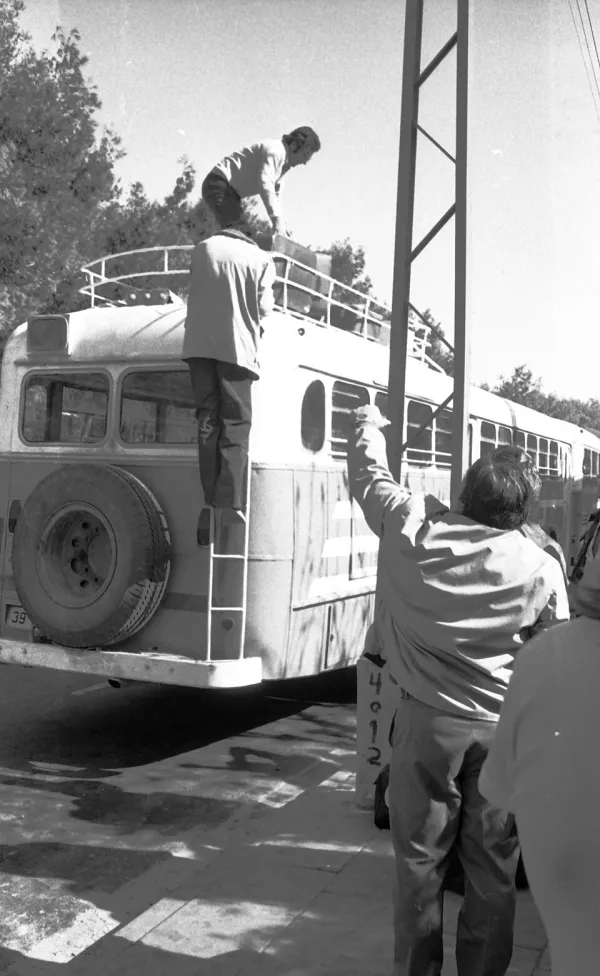
Through the 1970s and 1980s, kibbutz volunteering became a rite of passage for young people from Britain, Scandinavia, Australia, South America, and beyond. At the peak, tens of thousands of volunteers lived on kibbutzim each year. They picked avocados, milked cows, worked in factories, taught English, and — legend has it — spent their evenings at the kibbutz pub in a social scene that rivaled any backpacker hostel in Southeast Asia.
The experience was not always smooth. Volunteers sometimes felt like cheap labor. Language barriers created misunderstandings. The physical work was genuinely exhausting. And the romantic image of kibbutz life didn’t always match the reality of early mornings, communal bathrooms, and the peculiar social dynamics of a small, closed community.
But for many, it was genuinely life-changing — a first encounter with Israel, with communal values, with hard work that produced visible results, and with a community that, whatever its flaws, was trying to build something different.
What Does a Volunteer Do?
Kibbutz work varies depending on the kibbutz’s economic base. Common assignments include:
Agriculture: Still the classic kibbutz work. Picking fruit (citrus, avocados, dates, bananas), working in greenhouses, maintaining orchards, or operating irrigation systems. The work is physical and often starts very early to avoid the midday heat.
Kitchen and dining hall: Preparing meals, cooking, serving, and cleaning in the communal kitchen. This is one of the most social assignments — you are at the center of kibbutz life.
Landscaping and grounds: Maintaining the kibbutz’s gardens, lawns, and communal spaces. Many kibbutzim are genuinely beautiful, and keeping them that way requires constant work.
Factory work: Many modern kibbutzim have industrial operations — plastics, electronics, food processing, metal fabrication. Factory shifts can be monotonous but are usually indoors and air-conditioned, which is not nothing in August.
Childcare and education: Some volunteers help in the children’s facilities — supervising activities, assisting teachers, and spending time with kibbutz kids.
Tourism: Kibbutzim with guest houses or tourist facilities may assign volunteers to hospitality work — reception, housekeeping, tour guiding.
The Daily Schedule
A typical volunteer’s day looks something like this:
- 5:00-6:00 AM: Wake up. This is not optional.
- 6:00 AM - 12:00 PM: Work shift. Six hours, sometimes with a short break.
- 12:00-1:00 PM: Lunch in the dining hall — the main meal of the day.
- 1:00 PM - Evening: Free time. Nap, swim, explore, study Hebrew, socialize.
- Evening: Dinner, followed by whatever the community or the volunteer group has organized — movie nights, trips to the pub, Hebrew practice sessions, or just sitting on the lawn watching the sunset.
Volunteers typically work six days a week, with one day off (usually Shabbat, though the kibbutz may need coverage). Some programs also include organized trips to Jerusalem, Tel Aviv, the Dead Sea, and other sites.
Programs Available Today
The traditional “show up at a kibbutz with a backpack” model has largely disappeared. Today, most kibbutz volunteering goes through organized programs:
Kibbutz Ulpan: The most structured option. Combines morning work on the kibbutz with afternoon Hebrew classes (ulpan). Programs typically run 5-6 months. You emerge with decent Hebrew, work experience, and a deep understanding of Israeli communal life.
Short-term volunteer programs: Some kibbutzim offer 1-3 month volunteer placements through the Kibbutz Program Center or similar organizations. These are closer to the traditional model — work in exchange for room, board, and a small stipend.
Voluntourism: A newer model where visitors combine short-term volunteering with tourism. Programs range from a few days to a few weeks.
Specialized programs: Some kibbutzim offer programs focused on specific interests — organic farming, environmental sustainability, technology, or arts — combining volunteer work with themed learning.

How to Apply
- Research programs through the Kibbutz Program Center, the Jewish Agency, or individual kibbutz websites.
- Apply early — popular programs fill up, especially for summer and fall placements.
- Prepare documents: Passport, medical clearance, insurance, and sometimes a police background check.
- Pack appropriately: Work clothes that can get dirty, sturdy shoes, sun protection, and layers for cool desert evenings. The kibbutz laundry will handle your clothes, but bring enough for a few days.
- Come with realistic expectations. You will work hard. The rooms are basic. The food is institutional. The experience is not a vacation — it is something better.
Is It Worth It?
The honest answer: it depends on what you’re looking for. If you want luxury, sleep past 7 AM, or avoid physical labor, a kibbutz is not for you. But if you want to experience Israel from the inside — to live in a community, eat with families, understand the rhythms of Israeli life, and do work that actually matters — then yes, it is worth it.
The people you will meet — fellow volunteers from thirty countries, kibbutz members whose families have been there for generations, Israeli soldiers on leave, visiting grandparents — will make the experience. The stories you will hear, the food you will eat, the sunrise over the Galilee or the Negev or the Jezreel Valley as you walk to your shift at an hour when sensible people are still asleep — these are the things that stay with you.
The kibbutz is not what it was in 1965 or 1985. The socialist dream has evolved, the communal model has shifted, and the world has changed. But the essential experience — living simply, working together, being part of something larger than yourself — that remains. And it is still waiting for you.
Frequently Asked Questions
Can I still volunteer on a kibbutz?
Yes, though the landscape has changed significantly. Many kibbutzim have privatized and no longer accept traditional volunteers. However, several programs still exist, including the Kibbutz Ulpan (combining Hebrew study with work), Volunteers for Israel, and individual kibbutzim that maintain volunteer programs. Some kibbutzim now offer 'voluntourism' packages that combine work with tourism. Check current programs through the Kibbutz Program Center or the Jewish Agency.
How old do you have to be to volunteer on a kibbutz?
Most traditional volunteer programs require participants to be between 18 and 35 years old. Some programs accept volunteers as young as 17 with parental consent. There are also programs specifically for older adults and retirees, though these are less common. The Kibbutz Ulpan program typically accepts participants aged 18-35.
Do kibbutz volunteers get paid?
Traditional kibbutz volunteers do not receive a salary. Instead, they receive free room and board, including meals in the communal dining hall, shared housing, laundry facilities, and a small monthly stipend for personal expenses. Some programs include Hebrew classes (ulpan), trips, and cultural activities. The exchange is simple: you work, the kibbutz provides for your needs.
Sources & Further Reading
Related Articles
The Kibbutz Movement
From Degania's founding in 1910 to today's privatized communities, the kibbutz movement transformed the land of Israel through collective living, shared labor, and a radical social experiment.
The Birth of Modern Israel
From the rise of Zionism to the declaration of independence in 1948 — the story of how the Jewish homeland was reestablished.
Visiting Israel for the First Time: Everything You Need to Know
Your first trip to Israel will be overwhelming, beautiful, confusing, and unforgettable — often all in the same hour. This practical guide covers everything from airport security to Shabbat logistics to bargaining in the shuk.