Jews of Yemen: Keepers of Ancient Traditions
Yemenite Jews may be one of the oldest Jewish communities in the world, preserving ancient traditions of prayer, craftsmanship, and Torah study through centuries of isolation and hardship.
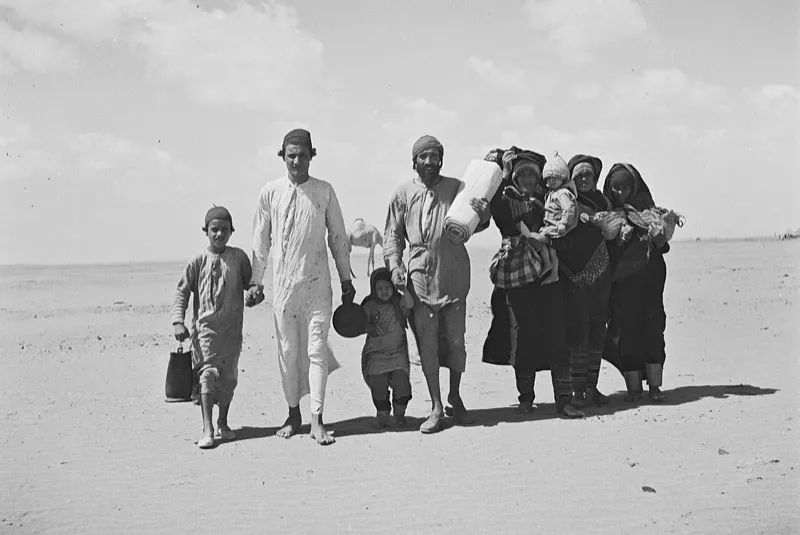
From the Days of Solomon
There is a legend among Yemenite Jews that their ancestors left the Land of Israel during the time of King Solomon — more than three thousand years ago — sent by the king himself to trade in gold and spices along the ancient incense route. Another tradition holds that forty-two thousand priests and Levites departed for Yemen forty-two years before the destruction of the First Temple, having been warned by the prophet Jeremiah.
These are legends, not verified history. But they point to something real: the Yemenite Jewish community is astonishingly ancient, likely predating the destruction of the Second Temple in 70 CE. Archaeological and documentary evidence confirms a substantial Jewish presence in Yemen by at least the third or fourth century CE. What makes this community so remarkable is not just its age, but its isolation — cut off from the main currents of Jewish life for centuries, Yemenite Jews preserved traditions that vanished almost everywhere else.
The Baladi Rite: A Living Fossil
Scholars of Jewish liturgy have long been fascinated by Yemenite prayer traditions. The Baladi (“local”) rite preserves a form of worship that appears to predate the standardized prayer books compiled by Babylonian rabbis in the medieval period. The pronunciation of Hebrew among Yemenite Jews — with distinct sounds for letters that have merged in other traditions — is considered by many linguists to be closest to the original biblical pronunciation.
When a Yemenite Jew chants Torah, the melody is different from anything heard in an Ashkenazi synagogue in New York or a Sephardi congregation in Istanbul. The cadence is older, more austere, more haunting. The way they pronounce certain vowels and consonants has led scholars to believe they are hearing echoes of Hebrew as it was spoken in the ancient Temple.
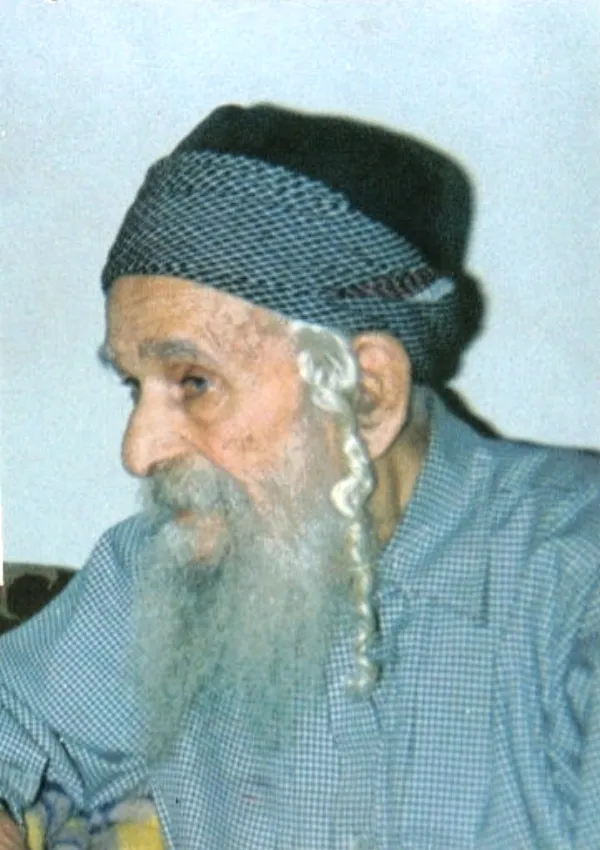
Yemenite Jews also maintained a unique practice of reading the Torah portion in synagogue along with the Aramaic Targum (translation), verse by verse — a custom described in the Talmud but largely abandoned by other communities centuries ago.
Silverwork, Poetry, and Daily Life
Yemenite Jews were renowned throughout the Arabian Peninsula as master silversmiths and jewelers. In a society where Muslims were traditionally discouraged from working with precious metals, Jews filled this niche with extraordinary artistry. Yemenite Jewish silver — intricate filigree necklaces, bridal jewelry, ceremonial daggers (jambiyya), and Torah ornaments — is prized by collectors worldwide.
Life for Yemenite Jews was defined by deep piety and grinding poverty. They lived under harsh dhimmi laws, including the notorious Orphans’ Decree — a regulation requiring that Jewish orphans be forcibly converted to Islam. This law, revived periodically over the centuries, struck terror into Jewish families. Parents would sometimes arrange emergency marriages for children to prevent them from being taken.
Despite these hardships, the community produced remarkable poetry, religious commentary, and mystical literature. The greatest Yemenite Jewish scholar, Rabbi Yihya Saleh (Maharitz), compiled a definitive prayer book in the eighteenth century that remains in use today. Yemenite Jews also preserved a strong tradition of Kabbalistic study, and their liturgy incorporates mystical elements.
Operation Magic Carpet
By the mid-twentieth century, approximately 50,000 Jews lived in Yemen, mostly in small towns and villages. The establishment of Israel in 1948 and the Arab-Israeli War triggered a wave of anti-Jewish violence. In Aden, the British-controlled port city, riots in December 1947 killed dozens of Jews and destroyed much of the Jewish quarter.
Between June 1949 and September 1950, nearly the entire Yemenite Jewish community was airlifted to Israel in Operation Magic Carpet (also known as Operation On Wings of Eagles). Approximately 49,000 Jews were flown out on transport planes — many of them people who had never seen an aircraft before.
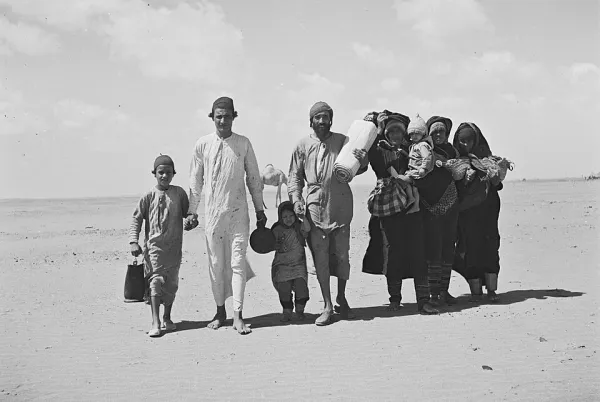
The stories of this airlift have become legendary. Some passengers reportedly tried to light cooking fires on the metal floor of the aircraft. Others recited the verse from Isaiah — “They shall mount up with wings as eagles” — believing prophecy was being literally fulfilled. Whether or not every such story is true, the emotional reality is undeniable: a community that had waited for millennia to return to Zion was finally going home.
Arrival in Israel and Its Costs
The homecoming was bittersweet. In Israel, Yemenite Jews were sent to transit camps (ma’abarot) where conditions were harsh. The European-dominated establishment viewed them as primitive and in need of “modernization.” Their ancient traditions were dismissed. Their children were pressured to abandon Yemenite customs in favor of Ashkenazi norms.
The most painful chapter is the Yemenite Children Affair — allegations that hundreds of Yemenite children were taken from their parents in the early 1950s and given to Ashkenazi families or institutions. Multiple government investigations have been conducted, and while some cases were attributed to inadequate record-keeping and high infant mortality, many families remain convinced their children were stolen. The issue continues to haunt Israeli society.
Despite these traumas, Yemenite Jews made extraordinary contributions to Israeli culture. Their music — characterized by complex rhythms and call-and-response singing — became foundational to Israeli popular music. Artists like Ofra Haza brought Yemenite melodies to global audiences. Yemenite cuisine, with its zhug (spicy paste), jachnun (slow-baked pastry), and kubaneh (overnight bread), became beloved across Israel.
Almost None Remain
Today, almost no Jews remain in Yemen. The civil war that began in 2014 drove out the last significant remnant. In 2016, a small group was airlifted to Israel, carrying with them a Torah scroll believed to be centuries old.
The disappearance of Yemenite Jewry from Yemen is part of the larger story of the vanishing of Jewish communities across the Arab world. But what makes the Yemenite story particularly poignant is the sheer antiquity of what was lost — a community that may have been among the oldest in the world, preserving traditions that connected the modern era to the ancient Temple, erased from its homeland in a matter of decades.
In Israel, the legacy lives. Yemenite prayer houses maintain the Baladi rite. Silversmiths continue their craft. And the music — those ancient melodies carried across the desert for three thousand years — continues to echo, a thread connecting the present to the most distant reaches of the Jewish past.
Frequently Asked Questions
When did Jews first arrive in Yemen?
Tradition claims Jews arrived in Yemen during the reign of King Solomon or even earlier, possibly before the destruction of the First Temple in 586 BCE. While the exact date cannot be verified, the community is among the oldest in the Jewish diaspora, with archaeological evidence dating back at least two thousand years.
What is the Baladi rite?
The Baladi rite is the distinctive prayer tradition of Yemenite Jews, considered one of the oldest surviving Jewish liturgies. It preserves pronunciations, melodies, and customs that scholars believe closely resemble those of the ancient Jewish community in the Land of Israel.
What was Operation Magic Carpet?
Operation Magic Carpet (also known as Operation On Wings of Eagles) was the secret airlift of approximately 49,000 Yemenite Jews to Israel between June 1949 and September 1950. Many Yemenite Jews had never seen an airplane and reportedly believed they were being carried to the Holy Land on eagles' wings, as prophesied in scripture.
Sources & Further Reading
Related Articles
The Jewish Diaspora: 2,000 Years Across the Globe
How the destruction of the Second Temple scattered the Jewish people across continents, creating diverse communities united by faith.
Ethiopian Jews: The Story of Beta Israel
The extraordinary story of Ethiopian Jews — from ancient origins and centuries of isolation to dramatic rescue missions, aliyah to Israel, and the ongoing journey of integration.
Sephardi vs Ashkenazi: Two Streams of Jewish Life
Sephardi and Ashkenazi Jews share the same Torah but developed distinct languages, liturgies, foods, and customs across centuries of separation — two rivers from one source.