Ethiopian Jews: The Story of Beta Israel
The extraordinary story of Ethiopian Jews — from ancient origins and centuries of isolation to dramatic rescue missions, aliyah to Israel, and the ongoing journey of integration.
A Community Rediscovered
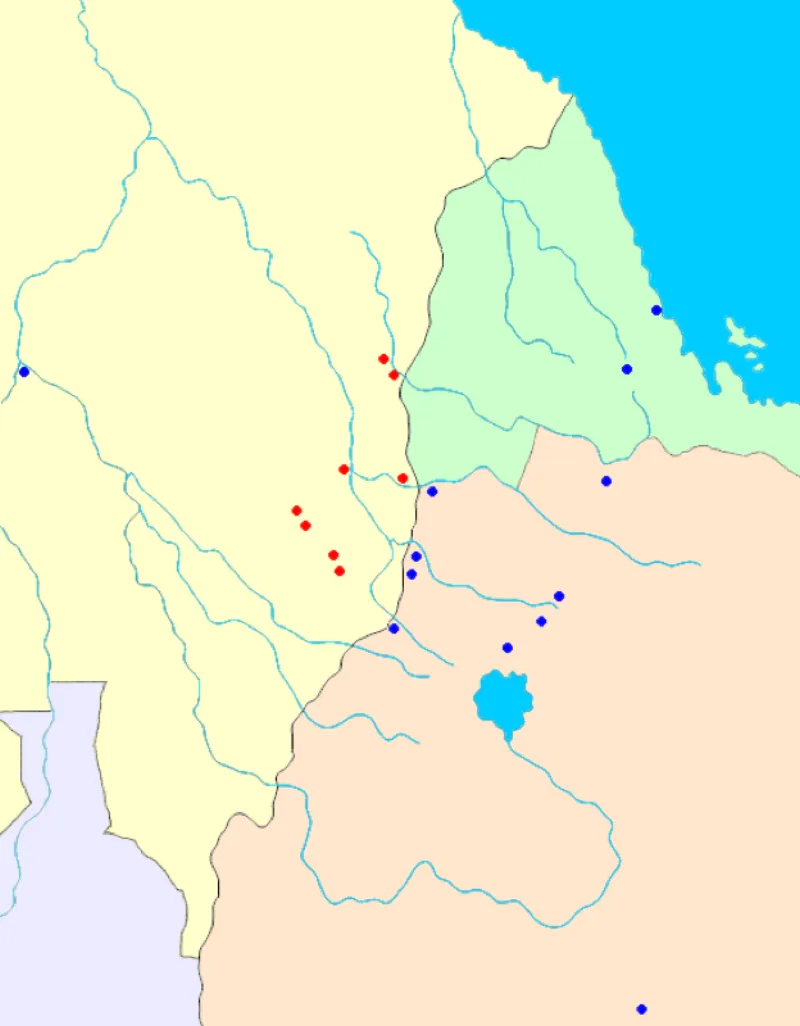
In the remote highlands of northwestern Ethiopia, in villages scattered across the Simien Mountains and the shores of Lake Tana, a community of Jews lived for centuries in near-total isolation from the rest of the Jewish world. They called themselves Beta Israel — the House of Israel. Their Christian and Muslim neighbors called them Falasha, a derogatory term meaning “strangers” or “exiles.”
They kept the Sabbath. They observed biblical dietary laws. They sacrificed Passover lambs. They prayed facing Jerusalem. They maintained a priesthood and a religious calendar rooted in the Torah. And for most of their history, they had no idea that millions of other Jews existed elsewhere in the world — just as the wider Jewish world had only the vaguest awareness of their existence.
The story of Ethiopian Jewry is one of the most extraordinary chapters in the long history of the Jewish diaspora — a story of ancient origins, centuries of isolation, dramatic rescue, and an ongoing struggle for recognition and equality.
Origins: Mystery and Legend
How Jews came to be living in the Ethiopian highlands is one of the great unsolved puzzles of Jewish history. Several theories compete:
The Queen of Sheba tradition: Beta Israel’s own origin story traces their ancestry to Menelik I, the son of King Solomon and the Queen of Sheba. According to the Ethiopian royal chronicle Kebra Nagast, Menelik visited his father in Jerusalem and returned to Ethiopia with a retinue that included Israelite nobles and — in some versions — the Ark of the Covenant itself.
The tribe of Dan: Another tradition identifies Ethiopian Jews as descendants of the tribe of Dan, one of the Ten Lost Tribes of Israel scattered by the Assyrian conquest in 722 BCE. This identification was supported by the 16th-century rabbi David ben Zimra (Radbaz), whose ruling helped establish Ethiopian Jews’ legitimacy in the eyes of rabbinic authorities.
Migration from Egypt or Yemen: Some scholars suggest that Jews migrated southward from Egypt — perhaps after the destruction of the Jewish military colony at Elephantine (5th century BCE) — or from the Jewish communities of southern Arabia.
Indigenous conversion: Others propose that Ethiopian Jews were indigenous Ethiopians who adopted Judaism through contact with Jewish merchants or missionaries, possibly as early as the pre-Christian era.
The truth may involve elements of several theories. Genetic studies have produced mixed results, showing some Middle Eastern ancestry but also significant indigenous Ethiopian heritage.
Unique Religious Practice
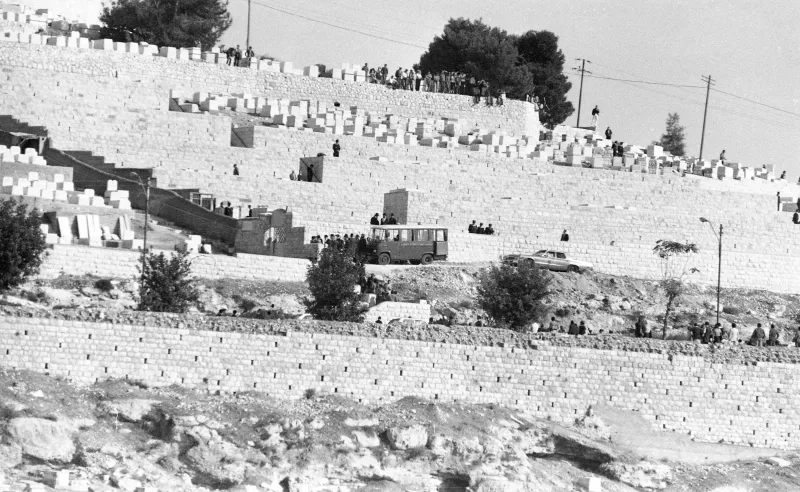
What makes Beta Israel’s Judaism so fascinating is what it includes and what it lacks. Their religious practice was based on the written Torah and related biblical texts, but they had no knowledge of the Talmud, the Mishnah, or the entire body of rabbinic literature that shaped mainstream Judaism after the destruction of the Second Temple in 70 CE. This suggests that their community separated from the broader Jewish world before the rabbinic period — a separation of at least two thousand years.
Their distinctive practices included:
- Animal sacrifice — maintained as a living practice, particularly the Passover lamb, long after it ceased elsewhere in Judaism
- A monastic tradition — with monks and nuns living in separate communities dedicated to prayer and study, unique in the Jewish world
- The Sigd festival — a holiday celebrated fifty days after Yom Kippur, in which the community gathered on a mountaintop to renew the covenant, reminiscent of the Sinai experience
- The Orit — their scriptural text, written in Ge’ez (ancient Ethiopian language) rather than Hebrew
- Menstrual purity laws — observed with particular stringency, with separate huts for menstruating women
- A hereditary priesthood — led by kessim (priests) rather than rabbis
Their synagogues were called mesgids and bore little resemblance to Ashkenazi or Sephardi houses of worship. Services were conducted in Ge’ez. The community did not use tefillin, did not observe Hanukkah or Purim (post-biblical holidays), and had no tradition of the oral law.
Centuries of Isolation and Struggle
Beta Israel’s history in Ethiopia was marked by periods of relative stability and periods of severe persecution. During the medieval period, Ethiopian Jewish kingdoms existed in the northern highlands, sometimes powerful enough to challenge the Christian Ethiopian empire. The most famous Jewish ruler was Queen Judith (Gudit), who tradition says conquered the Aksumite capital in the 10th century.
By the 15th and 16th centuries, however, the balance of power had shifted decisively. Christian Ethiopian emperors waged military campaigns against Beta Israel communities, forcibly converting many and confiscating their lands. The emperor Yeshaq I (15th century) reportedly decreed: “He who is baptized in the Christian religion may inherit the land of his father; otherwise let him be a falasi” (exile).
Despite these pressures, Beta Israel communities survived in the highlands, practicing their faith in increasingly difficult circumstances. By the 20th century, their numbers had dwindled to an estimated 20,000-30,000 people living in scattered villages, working primarily as blacksmiths, weavers, and potters — occupations considered lowly by their neighbors.
Rediscovery and Recognition
European Jewish travelers began encountering Ethiopian Jews in the 19th century, and the accounts they brought back astonished the Jewish world. Here were black-skinned Jews who had been practicing Judaism for centuries — possibly millennia — in complete isolation. It forced a confrontation with assumptions about what Jews looked like and where they could be found.
The critical question was: were they “really” Jewish? In 1973, the Sephardic Chief Rabbi of Israel, Ovadia Yosef, ruled that Beta Israel were descendants of the tribe of Dan and therefore Jews under halakha (Jewish law). In 1975, the Ashkenazi Chief Rabbinate concurred. The Israeli government recognized their right to immigrate under the Law of Return.
This ruling changed everything. Suddenly, Ethiopian Jews had a path to Israel — if they could get there.
The Great Rescues
Getting there proved extraordinarily difficult. The Ethiopian government under the Marxist Derg regime (1974-1991) prohibited emigration. Ethiopian Jews began a dangerous overland journey — walking hundreds of miles through the Sudanese desert to reach refugee camps, from which they hoped to be airlifted to Israel.
Operation Moses (1984)
In a covert operation coordinated between Israel, the CIA, and the Sudanese government, approximately 8,000 Ethiopian Jews were airlifted from Sudan to Israel between November 1984 and January 1985. The operation was leaked to the press and halted, leaving thousands stranded. An estimated 4,000 Ethiopian Jews died during the trek through Sudan, from disease, starvation, and bandits.
Operation Solomon (1991)
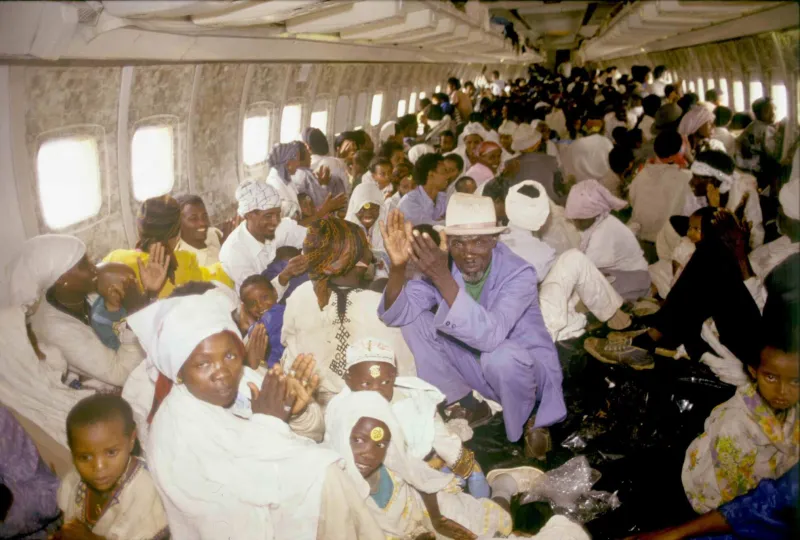
As the Ethiopian government collapsed during a civil war, Israel launched its most dramatic rescue. On May 24-25, 1991, Israeli military and civilian aircraft conducted a massive airlift, bringing 14,325 Ethiopian Jews to Israel in approximately 36 hours. El Al aircraft were stripped of seats; one Boeing 747 carried over 1,000 passengers. Several babies were born in flight.
The images of Ethiopian Jews stepping off planes onto Israeli tarmac — many kissing the ground, some barefoot, all overwhelmed — remain among the most emotionally powerful in Israeli history.
Integration: The Ongoing Journey
The transition from rural Ethiopian villages to modern Israeli society was disorienting and often painful. Ethiopian immigrants faced challenges that earlier waves of immigration had not:
- Language barriers: Most spoke Amharic and Tigrinya, not Hebrew
- Technological gap: Many came from villages without electricity or running water
- Religious tensions: The Israeli rabbinate required many Ethiopian Jews to undergo symbolic “conversion” ceremonies, which the community experienced as a profound insult — an implication that their Judaism was insufficient
- Racial discrimination: Ethiopian Israelis faced prejudice in housing, employment, and social interactions that other immigrant groups did not experience
In 1996, the revelation that Israeli blood banks had secretly discarded blood donations from Ethiopian Israelis provoked outrage and mass protests. The incident became a watershed moment for the community’s political consciousness.
In 2015 and again in 2019, Ethiopian Israelis staged major protests against police violence and discrimination after several high-profile incidents, including the killing of unarmed Ethiopian Israeli men by police. The protests drew comparisons to civil rights movements worldwide and forced Israeli society to confront uncomfortable questions about racism and equality.
The Community Today
Today, approximately 160,000 Ethiopian Jews and their descendants live in Israel. The community has made remarkable progress while continuing to face significant challenges:
- Ethiopian Israelis serve in all branches of the military, including elite units
- University enrollment has increased substantially
- Ethiopian Israelis have been elected to the Knesset (parliament) and served in government
- The Sigd festival was recognized as an official Israeli holiday in 2008
- Ethiopian Israeli artists, musicians, and writers are enriching Israeli culture
At the same time, socioeconomic gaps persist. Ethiopian Israelis are disproportionately represented in lower-income communities, and educational achievement gaps, while narrowing, remain significant. The kessim (Ethiopian Jewish priests) have fought for recognition alongside the rabbinical establishment, and tensions over religious authority continue.
The story of Ethiopian Jewry challenges easy narratives about the Jewish people. It expands the definition of who Jews are, what Jewish practice can look like, and what it means to come home after centuries of separation. It is a story of extraordinary faith — a community that maintained its identity through millennia of isolation — and of the complicated reality that homecoming is never as simple as the dream.
“We always prayed facing Jerusalem. We always believed we would return.” — Ethiopian Jewish elder, upon arrival in Israel
The prayer was answered. The work of making it real continues.
Frequently Asked Questions
Where did Ethiopian Jews come from?
The origins of Ethiopian Jewry are debated. Their own tradition traces descent from the Queen of Sheba and King Solomon, or from the tribe of Dan. Some scholars suggest they descended from Jews who migrated south from Egypt after the Temple's destruction, while others propose they were indigenous Ethiopians who adopted Judaism from Jewish traders or missionaries. DNA studies show mixed results, supporting both indigenous and Middle Eastern ancestry.
What was Operation Solomon?
Operation Solomon was a covert Israeli military operation on May 24-25, 1991, that airlifted 14,325 Ethiopian Jews to Israel in approximately 36 hours — one of the largest airlifts in history. It was carried out as the Ethiopian government was collapsing during a civil war. El Al planes were stripped of seats to maximize capacity; one flight carried over 1,000 passengers. Several babies were born during the flights.
How are Ethiopian Jews doing in Israel today?
The Ethiopian Jewish community in Israel (approximately 160,000 people) has made significant strides but continues to face challenges including discrimination, economic disparities, and tensions with the religious establishment over questions of Jewish status. Ethiopian Israelis serve in the military, attend universities, and are increasingly represented in politics and public life, but the community has also staged protests against police brutality and systemic inequality.
Sources & Further Reading
Related Articles
Converting to Judaism: A Thoughtful Guide to Joining the Jewish People
Converting to Judaism is a serious, transformative journey involving study, mentorship, and ritual — welcomed by tradition yet approached with care across all denominations.
The Jewish Diaspora: 2,000 Years Across the Globe
How the destruction of the Second Temple scattered the Jewish people across continents, creating diverse communities united by faith.
The Birth of Modern Israel
From the rise of Zionism to the declaration of independence in 1948 — the story of how the Jewish homeland was reestablished.