Jews of Libya: From Ancient Cyrene to Final Exile
The story of Libyan Jewry — ancient Greek-era origins, Italian colonial rule, WWII under the Axis, pogroms of 1945 and 1948, expulsion after 1967, and a diaspora that remembers.
Zero
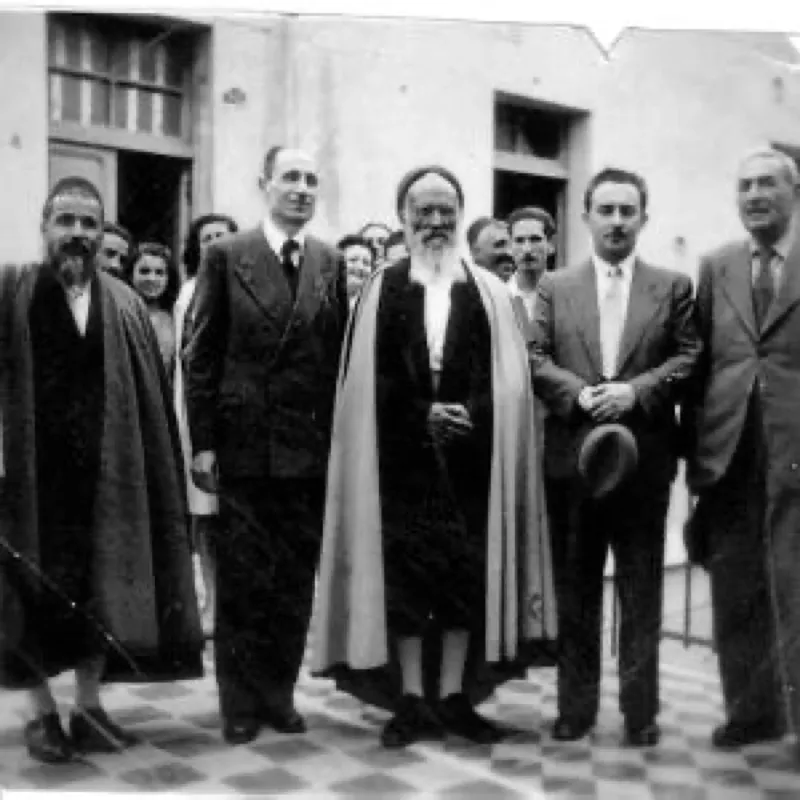
That is the number of Jews living in Libya today. Zero. A community that lasted more than two thousand years — from the Greek colonization of Cyrenaica through Roman rule, Arab conquest, Ottoman governance, Italian colonialism, and Axis occupation — was erased completely in the space of two decades. The last known Jewish resident left in the early 2000s.
The story of Libyan Jewry is one of the most dramatic and least-known chapters of Jewish diaspora history. It encompasses ancient flourishing, centuries of coexistence, modern persecution, deadly pogroms, and total expulsion.
Ancient Origins
Jews settled in Cyrenaica — the eastern region of modern Libya, centered on the city of Cyrene — during the Hellenistic period, probably under Ptolemy I (3rd century BCE). Greek and Roman sources describe a substantial Jewish population in the region. The Jewish community of Cyrene was large enough to have its own synagogue, send representatives to Jerusalem, and maintain active ties with the wider Jewish world.
In 115–117 CE, the Jewish population of Cyrenaica rose in a massive revolt against Rome — the Kitos War — which devastated the region. The revolt was suppressed with extreme violence, and much of the Jewish population was killed or enslaved. But a remnant survived, and Jewish life in Libya continued.
Under Arab and Ottoman Rule
The Arab conquest of the 7th century brought Islam to Libya. Jews lived as dhimmis — protected minorities with legal restrictions. They paid the jizya tax, were forbidden from riding horses, and were required to wear distinguishing clothing. But they also engaged in commerce, maintained synagogues, and preserved their religious traditions.
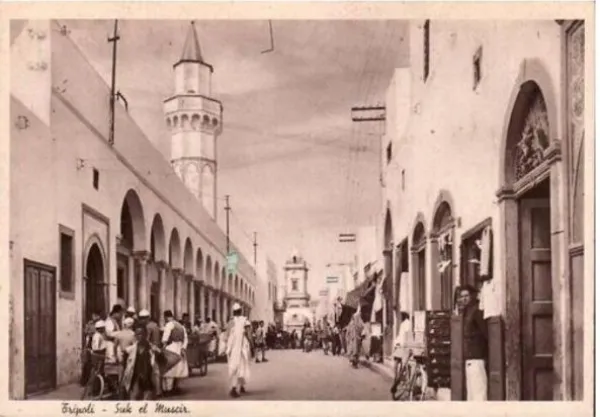
Under Ottoman rule (16th–20th centuries), Libyan Jews lived primarily in Tripoli, Benghazi, and smaller towns. The community was largely traditional, Sephardi in liturgy (influenced by the 1492 Spanish exiles who arrived in North Africa), and engaged in trade, metalwork, and jewelry-making.
Italian Colonial Period
Italy conquered Libya in 1911. Initially, Italian rule was relatively tolerant of the Jewish community. Jews served in municipal government, entered the professions, and benefited from Italian-language education. Some Libyan Jews adopted Italian culture enthusiastically, seeing in it an opportunity for modernization.
But the situation deteriorated sharply in the late 1930s when Fascist Italy, allied with Nazi Germany, adopted racial laws. In 1938, Italy’s racial legislation was extended to Libya. Jews were expelled from public schools, barred from professions, and subjected to increasing restrictions.
World War II: Suffering Under the Axis
During the war, Libya became a battlefield between Axis and Allied forces. Libyan Jews suffered terribly. In 1942, approximately 2,600 Jews from the Benghazi area were deported to forced labor camps in the Libyan desert — Giado, Bukbuk, and others — where hundreds died of typhus, starvation, and brutal conditions.
Jews in Tripoli faced forced labor, confiscation of property, and constant fear. The community survived, but it emerged from the war weakened, traumatized, and increasingly aware that its future in Libya was uncertain.
The Pogroms of 1945 and 1948
The worst was yet to come. In November 1945, anti-Jewish riots erupted in Tripoli. Over three days, mobs attacked Jewish neighborhoods, killing approximately 130 Jews — including 36 in the Zanzur area alone — injuring hundreds, and destroying synagogues, homes, and shops. The British military administration, which governed Libya at the time, was slow to intervene.
The 1945 pogrom shattered the community’s sense of security. But many Libyan Jews stayed, hoping for improvement. Then, in June 1948, following the declaration of the State of Israel, violence erupted again. Fourteen Jews were killed, and property was destroyed.
Mass Emigration
Between 1949 and 1951, approximately 30,000 Libyan Jews — more than 90 percent of the community — emigrated to Israel. They left everything behind: homes, businesses, possessions, centuries of communal infrastructure. Most arrived in Israel destitute and were housed in ma’abarot (transit camps).
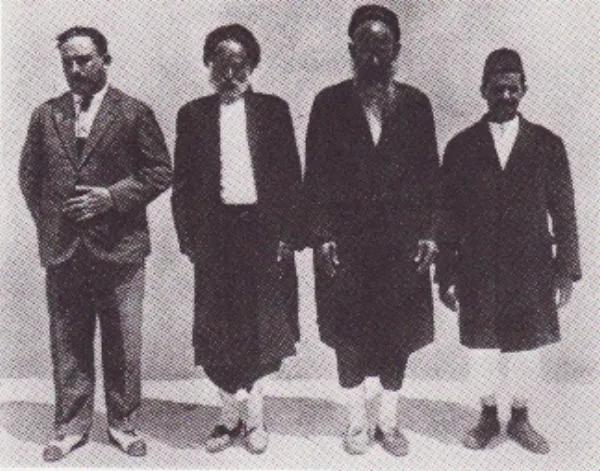
A small community of about 4,000 Jews remained in Libya, primarily in Tripoli. They continued to live and work, but under increasingly hostile conditions.
The Final Expulsion
When the Six-Day War broke out in June 1967, the remaining Libyan Jews faced immediate, violent antisemitism. Mobs attacked Jewish homes and businesses. The government facilitated the expulsion of the remaining community — approximately 4,000 people were forced to leave, allowed to take only one suitcase and a small amount of cash. Properties and bank accounts were confiscated.
Colonel Muammar Gaddafi, who seized power in 1969, completed the process. All remaining Jewish property was confiscated. Jewish cemeteries were desecrated. The few remaining Jews trickled out over the following decades.
Diaspora Memories
Today, Libyan Jews live primarily in Israel (concentrated in Netanya, Or Yehuda, and Bat Yam), Italy (especially Rome), and smaller communities in Britain, the United States, and elsewhere. They maintain their distinctive traditions — their own liturgical melodies, their cuisine (particularly dishes like mafrum, hraimi, and bsisa), and their communal memory.
The World Organization of Libyan Jews preserves archives, publishes memoirs, and organizes reunions. Every year, former Libyan Jews and their descendants gather to remember a world that was taken from them.
Synagogues in Libya still stand — the Dar Bishi Synagogue in Tripoli was briefly reopened for a 2011 visit by a Libyan Jewish expatriate, in a moment that made international news. But organized Jewish life in Libya is over. The community that produced scholars, merchants, and craftspeople for more than two millennia exists now only in memory, in Israel, and in the stories that grandparents tell grandchildren who have never seen Tripoli.
Frequently Asked Questions
How old is the Jewish community in Libya?
Jewish presence in Libya dates to at least the 3rd century BCE, when Jews settled in Cyrenaica (eastern Libya) under the Ptolemaic dynasty. Inscriptions and literary sources confirm a large, thriving Jewish community in the Greek-Roman period. At one point, Jews may have constituted a significant percentage of Cyrenaica's population.
What happened to Libyan Jews during the pogroms?
In November 1945, anti-Jewish riots swept through Tripoli and other cities, killing approximately 130 Jews, injuring hundreds, and destroying homes, synagogues, and shops. In 1948, after the establishment of Israel, another wave of violence killed 14 Jews. These pogroms accelerated emigration — most Libyan Jews left for Israel between 1949 and 1951.
Are there any Jews left in Libya?
No. The last known Jewish resident of Libya, Esmeralda Meghnagi, reportedly left in 2003. The community that once numbered over 38,000 has been completely erased from the country. Libyan Jewish communities now exist in Israel (primarily in Netanya and Or Yehuda), Italy, and elsewhere.
Sources & Further Reading
Related Articles
Understanding Antisemitism: History, Forms, and the Fight Against Hatred
Antisemitism — hatred of Jews — is one of the oldest and most persistent forms of prejudice. From ancient expulsions to modern online hate, understanding its roots is the first step toward fighting it.
The Jewish Diaspora: 2,000 Years Across the Globe
How the destruction of the Second Temple scattered the Jewish people across continents, creating diverse communities united by faith.
Sephardi vs Ashkenazi: Two Streams of Jewish Life
Sephardi and Ashkenazi Jews share the same Torah but developed distinct languages, liturgies, foods, and customs across centuries of separation — two rivers from one source.