Sitting Shiva: The Jewish Practice of Mourning
Shiva — the seven-day Jewish mourning period — transforms a home into a sanctuary of grief, where community gathers to comfort the bereaved with presence, prayer, and food.
A House Transformed
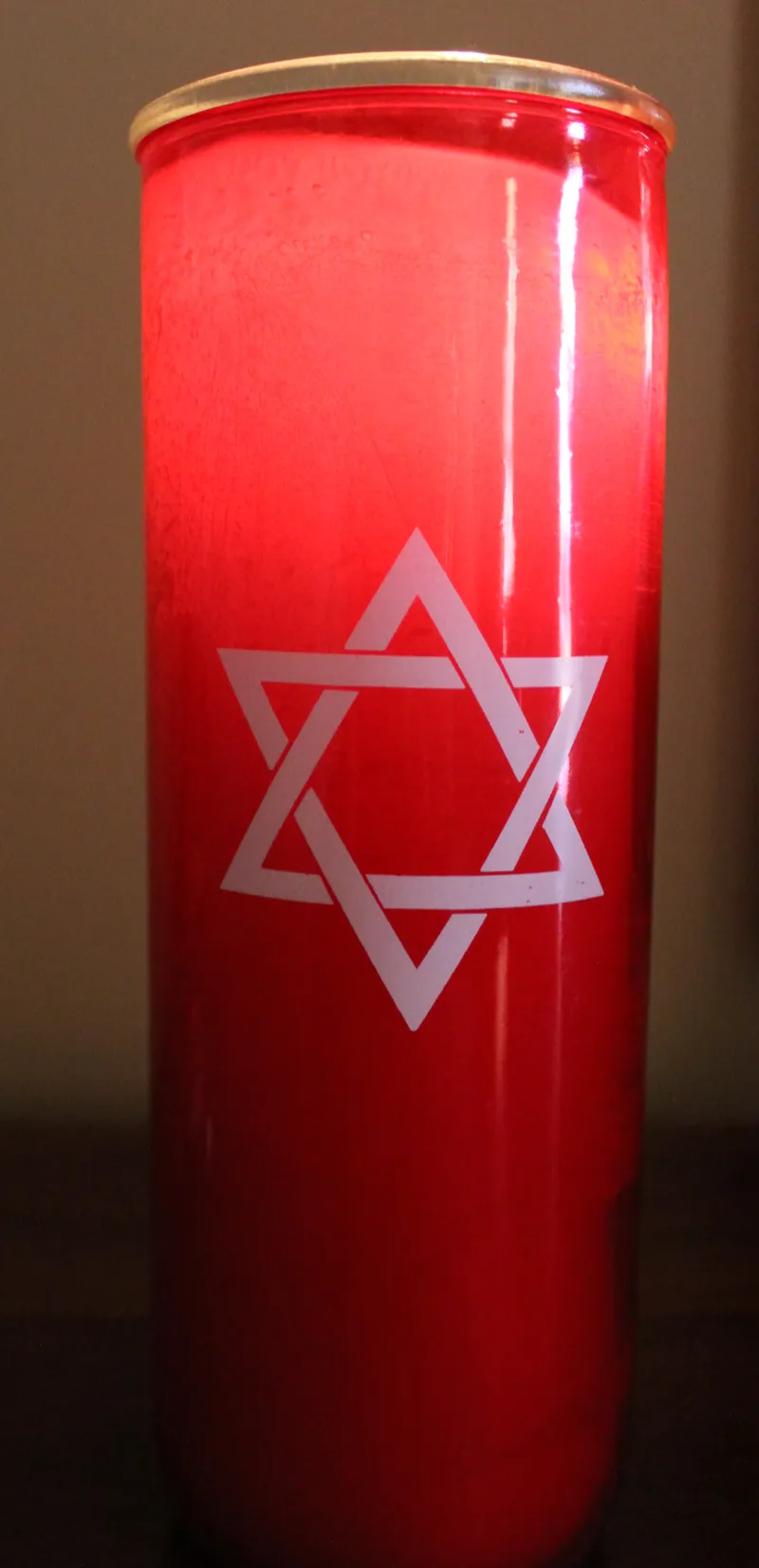
Walk into a shiva house, and you will notice the differences immediately. The mirrors are covered with cloth or paper. The chairs in the main room are low — sometimes cushions on the floor. A tall candle burns in the corner, its flame intended to last seven days. The front door is unlocked, or even ajar, so that visitors can enter without the mourners having to rise. Food covers every surface of the kitchen — casseroles, fruit platters, pastries — brought by neighbors, friends, colleagues, and sometimes strangers.
This is shiva, from the Hebrew word for “seven.” For seven days following the burial, the immediate family of the deceased retreats from ordinary life and enters a structured period of grief. The community comes to them. The mourners do not cook, do not work, do not leave the house. They sit, and they are held.
Shiva is one of the most powerful institutions in Jewish life — not because of its theology, but because of its insistence that no one should grieve alone.
The Structure of Shiva
The Seven Days
Shiva begins immediately after the burial and lasts for seven days. The day of burial counts as the first day, even if the burial took place late in the afternoon. On the seventh day, mourners typically “get up from shiva” in the morning, sometimes after a brief visit from the rabbi or close friends.
The seven relatives for whom shiva is observed are: father, mother, son, daughter, brother, sister, and spouse. These are the same relatives for whom Jewish law requires the tearing of the garment (keriah) at the funeral.
Low Chairs and Covered Mirrors

Mourners traditionally sit on low chairs, stools, or cushions — a practice that physically expresses being “brought low” by grief. The custom has ancient roots; in the Book of Job, Job’s friends sat with him on the ground for seven days.
Mirrors in the shiva house are covered. Several explanations have been offered: vanity is inappropriate during mourning; mirrors reflect the physical self, and the mourner’s focus should be inward; in mystical tradition, the soul of the deceased may linger near the home, and mirrors can “trap” or reflect spiritual energy. Whatever the reason, the covered mirror is one of the most recognizable features of a shiva house.
The Shiva Candle
A single candle — or, more commonly today, a special seven-day memorial candle — burns continuously throughout the shiva period. The flame symbolizes the soul of the deceased, based on the verse from Proverbs: “The soul of a person is the lamp of God” (Proverbs 20:27). The candle is typically placed in a prominent location in the main room.
The Meal of Consolation
The first meal after returning from the cemetery is called the seudat havra’ah — the meal of consolation. This meal is not prepared by the mourners; it is brought by friends, neighbors, or the community. The mourners are not expected to feed themselves — they are expected to be fed.
Traditional foods for this meal include hard-boiled eggs and lentils, both of which are round, symbolizing the cycle of life. Bread is also served. The roundness of these foods represents the idea that life and death are part of an ongoing cycle — there is no clear beginning or end, and mourning itself is a turning, not a stopping.
The Shiva Minyan
Each evening (and often in the morning), a shiva minyan is held at the shiva house — a prayer service that brings the synagogue to the mourner rather than requiring the mourner to go to the synagogue. A quorum of ten Jewish adults gathers, the evening service (Ma’ariv) is recited, and the mourner says Kaddish.
The shiva minyan is one of the most beautiful expressions of Jewish communal life. People rearrange their schedules, drive across town, and show up at the homes of people they may barely know — because the obligation to comfort the mourner is one of the highest commandments in Judaism.
What to Say — and What Not to Say
Visiting a shiva house can feel awkward, especially for those unfamiliar with the custom. Jewish tradition offers clear guidance: let the mourner speak first. The visitor’s role is not to cheer up the bereaved, not to explain God’s plan, and not to find silver linings. The role is to be present.
The traditional greeting upon entering a shiva house is: “HaMakom y’nachem etchem b’toch sh’ar avlei Tziyon v’Yerushalayim” — “May God comfort you among the mourners of Zion and Jerusalem.” Beyond that, the best thing a visitor can do is listen, share a memory of the deceased if appropriate, and simply sit.
Things to avoid saying:
- “I know how you feel.”
- “They’re in a better place.”
- “At least they lived a long life.”
- “Everything happens for a reason.”
What helps:
- “I’m here.”
- “Tell me about them.”
- Sharing a specific memory of the deceased.
- Sitting quietly, saying nothing at all.
Beyond Shiva: Shloshim and the Year of Mourning
Jewish mourning does not end with shiva. It unfolds in stages, each one gradually reintroducing the mourner to normal life.
Shloshim (Thirty Days)
After shiva ends, the mourner enters shloshim — the thirty-day mourning period (counted from the day of burial). During shloshim, the mourner returns to work and most daily activities but continues to avoid celebrations, live music, and haircuts. Kaddish is recited daily in synagogue.
For most relatives (spouse, sibling, child), shloshim marks the end of the formal mourning period.
The Year of Mourning
For a parent, the mourning period extends to twelve months. The mourner recites Kaddish daily for eleven months (not twelve, based on the tradition that twelve months of Kaddish implies the parent’s soul needs the maximum period of spiritual purification — by stopping at eleven, the child affirms their parent’s righteousness).
During this year, the mourner avoids attending parties, concerts, and celebrations, though exceptions are made for simchas (joyful occasions) where their absence would cause pain to others, such as a close friend’s wedding.
Yahrzeit
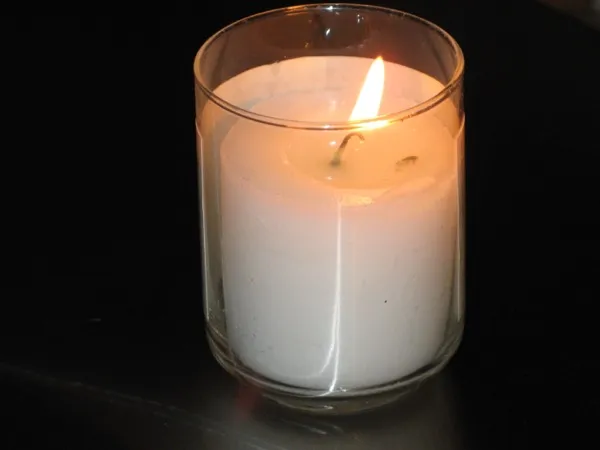
Each year on the anniversary of the death (according to the Hebrew calendar), the family observes the yahrzeit. A memorial candle is lit, Kaddish is recited, and many families visit the grave. The yahrzeit is a lifelong observance — it does not end.
When Shiva Is Shortened
Jewish holidays can shorten or even cancel shiva. The principle is that the joy of the holiday takes precedence over personal mourning. If a major festival — Rosh Hashanah, Yom Kippur, Sukkot, Passover, or Shavuot — begins during shiva, the shiva ends. If the burial occurs during a festival, shiva begins after the holiday concludes.
Shabbat counts as one of the seven days but is observed differently: the mourner does not sit on low chairs, receives visitors normally, and attends synagogue. Public mourning is suspended, but private grief continues.
Shiva in the Modern World
In an age of geographic dispersal, some families conduct “virtual shiva” — gathering over video calls to say Kaddish and share memories. The COVID-19 pandemic accelerated this trend, and many rabbis have ruled that virtual minyanim can fulfill the obligation when in-person gathering is impossible.
Some families in liberal communities observe three days instead of seven, or hold shiva in a synagogue rather than a home. These adaptations are debated, but they reflect an ongoing negotiation between ancient practice and modern reality.
What remains constant is the core insight: grief needs structure, community needs to show up, and the mourner needs permission to be broken for a while before the slow work of healing begins.
Frequently Asked Questions
How long does shiva last?
Shiva lasts seven days, beginning immediately after the burial. The count includes the day of burial as the first day. Shiva is observed for seven close relatives: parent, spouse, sibling, son, or daughter. If a major Jewish holiday falls during shiva, the mourning period is shortened or ended early.
What should I say (or not say) when visiting a shiva house?
The traditional greeting is the Hebrew phrase 'HaMakom y'nachem etchem b'toch sh'ar avlei Tziyon v'Yerushalayim' (May God comfort you among the mourners of Zion and Jerusalem). Avoid saying 'I know how you feel' or offering explanations for why the person died. The most helpful thing is simply to be present, listen, and let the mourner lead the conversation.
Can shiva be shortened?
Yes. If a major Jewish holiday (Rosh Hashanah, Yom Kippur, Sukkot, Passover, or Shavuot) falls during shiva, it ends the shiva period. Shabbat counts as one of the seven days but public mourning is suspended — mourners attend synagogue and do not sit on low chairs. Some families in liberal communities choose to observe fewer than seven days.
Sources & Further Reading
Related Articles
Jewish Funeral and Burial Customs: Honoring the Dead
Jewish funeral customs — from tahara and tachrichim to burial, kaddish, and shmirah — reflect a profound theology of dignity, equality, and community care.
Kaddish: The Mourner's Prayer That Never Mentions Death
The Kaddish — Judaism's most famous prayer — is not about death at all. Written in Aramaic, it is a bold declaration of God's greatness, spoken precisely when faith feels most difficult.
Jewish Lifecycle: From Birth to Death
Judaism marks every stage of life with sacred rituals — from the brit milah eight days after birth to the traditions of mourning and remembrance.