Jewish Funeral and Burial Customs: Honoring the Dead
Jewish funeral customs — from tahara and tachrichim to burial, kaddish, and shmirah — reflect a profound theology of dignity, equality, and community care.
The Democracy of Death
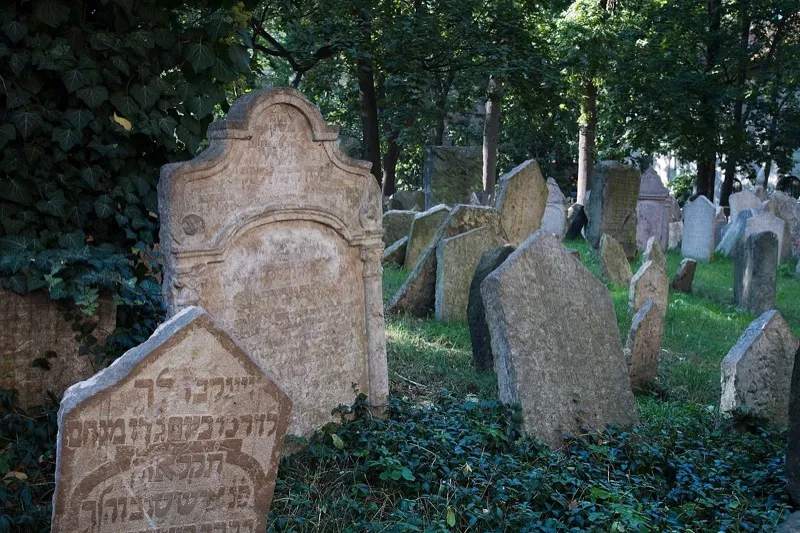
There is a striking moment in every traditional Jewish funeral. The body lies in a simple pine box — no satin lining, no ornate handles, no polished mahogany. The deceased wears plain white linen shrouds, without pockets, without jewelry, without any of the markers that distinguished them in life. In death, Jewish tradition insists, there are no rich and no poor, no powerful and no humble. Everyone is equal before God.
This radical equality is not an accident. It was established by Rabban Gamliel, the great sage of the first century, who noticed that the cost of elaborate funerals was becoming a burden on poor families — some were even abandoning their dead out of shame. Gamliel decreed that all Jews, including himself, should be buried in simple linen shrouds. The tradition has held for nearly two thousand years.
Jewish funeral customs are built on two principles that sometimes pull in opposite directions: kavod ha-met (honor for the dead) and kavod ha-chai (respect for the living). The result is a system that is at once deeply compassionate and unflinchingly honest about death.
Preparing the Body
Shmirah: Watching Over the Dead
From the moment of death until burial, the body is never left alone. A shomer (guardian) sits with the deceased, often reading Psalms. This practice — called shmirah — reflects the belief that the dead deserve companionship and protection. In practical terms, it also means that someone is always present to ensure the body is treated with dignity.
In many communities, members of the synagogue take shifts through the night, sitting quietly in a room with the deceased, turning pages of the Book of Psalms. It is considered a profound act of chesed shel emet — “true kindness” — because it is done for someone who can never return the favor.
Tahara: Ritual Washing
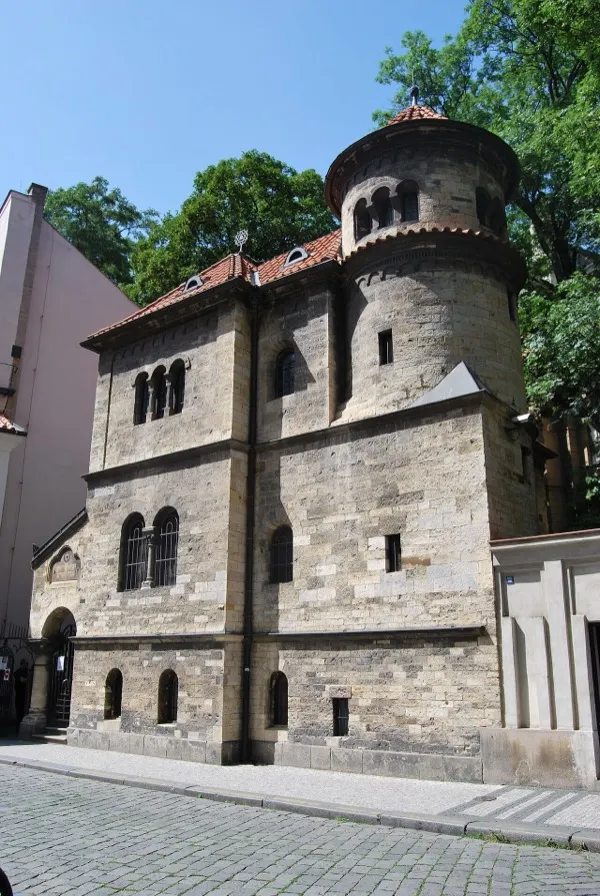
Before burial, the Chevra Kadisha — the “holy society” of community volunteers — performs tahara, the ritual washing and purification of the body. This is done with great care and reverence. The body is gently washed with warm water, then purified by pouring water continuously over it. Throughout the process, the members of the Chevra Kadisha recite prayers and psalms, and they never turn the body face-down.
The tahara is not simply hygienic — it is spiritual. Just as a person is washed with water upon entering the world, so they are washed upon leaving it. The act symbolizes a return to purity, a preparation for the world to come.
Tachrichim: The Shrouds
After tahara, the body is dressed in tachrichim — simple white linen garments. These shrouds are the same for everyone: no embroidery, no color, no distinction. A man is typically wrapped in his tallit as well, with one of the fringes (tzitzit) cut to signify that he is no longer bound by the commandments.
The tachrichim are deliberately simple. They have no pockets — a powerful reminder that we carry nothing material into the next world. Everything we accumulated in life stays behind.
The Funeral
No Embalming, No Viewing
Traditional Jewish law prohibits embalming. The body is meant to return to the earth naturally, in fulfillment of Genesis 3:19: “For dust you are, and to dust you shall return.” Open-casket viewings are also avoided in most traditional communities, out of respect for the dignity of the deceased.
The Simple Coffin
The coffin in a Jewish funeral is typically a plain wooden box — often pine — with no metal nails or adornments. Holes are sometimes drilled in the bottom to hasten the body’s return to the earth. This simplicity is intentional: it ensures that wealth plays no role in death and that the body can decompose naturally.
Keriah: Tearing the Garment
Before the funeral service begins, the immediate mourners perform keriah — the tearing of a garment. The mourner stands, and a rabbi or funeral director makes a small cut in the lapel of their clothing (or, in some communities, a black ribbon pinned to the clothing). The mourner then tears the garment further. For a parent, the tear is made on the left side, over the heart. For other relatives, it is on the right.
This act of tearing is raw and visceral. It gives the mourner permission to express grief physically — to rend something, to make visible the rupture that death has caused. The torn garment is worn throughout the shiva period.
Hesped: The Eulogy
The hesped (eulogy) is a central part of the Jewish funeral. Unlike eulogies in some other traditions, the hesped is meant to focus on the specific qualities of the deceased — their acts of kindness, their devotion to family, their contributions to the community. The Talmud warns against excessive praise that is untrue, but it also encourages genuine tribute.
Multiple people may deliver hespedim. The goal is to make the mourners cry — not out of cruelty, but because the Talmud teaches that tears shed for a worthy person are “counted by God.”
Kaddish at the Grave
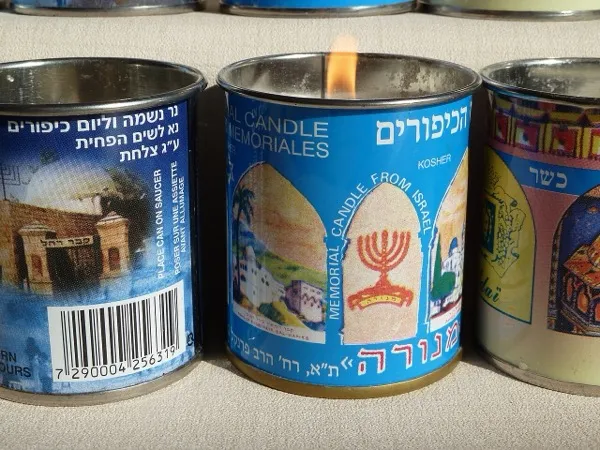
After the burial — when the coffin has been lowered and the mourners have shoveled earth onto it — the Mourner’s Kaddish is recited. This prayer, despite its association with death, contains no mention of death at all. It is a declaration of God’s greatness, spoken in Aramaic, and it requires a minyan (quorum of ten adults).
The act of shoveling earth onto the coffin is one of the most powerful moments in a Jewish funeral. Each mourner takes the shovel, turns it upside down (to distinguish this act from ordinary digging), and places three shovelfuls of earth into the grave. The sound of earth hitting the coffin is final, irreversible, and deeply real.
No Flowers
Traditional Jewish funerals do not include flowers. The reasoning is both practical and philosophical: flowers are considered an unnecessary adornment, and the money spent on them is better directed toward tzedakah (charitable giving) in the deceased’s name. Some Reform and liberal congregations have relaxed this custom, but in most traditional settings, you will not see a single bloom.
Burial: Returning to the Earth
Jewish tradition strongly favors in-ground burial. The body is meant to return to the earth, completing the cycle described in Genesis. Cremation is prohibited by Orthodox and most Conservative authorities, though the Reform movement permits it. The question of cremation remains one of the most debated topics in modern Jewish life, carrying particular weight after the Holocaust.
In Israel, burial takes place without a coffin — the body, wrapped in shrouds, is placed directly in the earth or in a stone niche. This practice reflects the most literal interpretation of “dust to dust.”
After the Funeral
The period of mourning that follows the funeral is carefully structured. The community accompanies the mourners home, where the seudat havra’ah — the meal of consolation — has been prepared by friends and neighbors. This first meal typically includes round foods (eggs, lentils) symbolizing the cycle of life, and it is forbidden for the mourners to prepare it themselves. The community feeds them.
From here, the mourners enter shiva — seven days of intensive mourning — followed by shloshim (thirty days) and, for a parent, a full year. Each stage gradually reintroduces the mourner to normal life, acknowledging that grief does not end abruptly but recedes slowly.
Multiple Perspectives
Jewish funeral customs are not monolithic. Sephardic communities often bury the deceased in shrouds without a coffin, directly in the earth. Some Hasidic communities have unique customs around the preparation of the body. Liberal movements have adapted certain practices — permitting cremation, allowing flowers, or modifying keriah.
But across these differences, the core values remain: dignity for the dead, compassion for the living, equality before God, and the belief that how we treat the departed reflects who we are as a community.
Frequently Asked Questions
Why are Jewish funerals held so quickly after death?
Jewish law (halakha) requires burial as soon as possible, ideally within 24 hours, based on the Torah's command in Deuteronomy 21:23. The reasoning is that delaying burial is considered disrespectful to the deceased. Exceptions are made for Shabbat, holidays, and when family members need time to travel.
Why don't Jewish funerals have flowers?
Traditional Jewish funerals avoid flowers because they are seen as unnecessary adornment that distracts from the solemnity of death and the equality of all people before God. Instead, mourners are encouraged to make charitable donations in the deceased's memory. Some liberal congregations have relaxed this custom.
What is the Chevra Kadisha?
The Chevra Kadisha ('holy society') is a volunteer group in each Jewish community that prepares the body for burial. Members perform tahara (ritual washing), dress the deceased in tachrichim (white shrouds), and watch over the body (shmirah) until burial. Serving on the Chevra Kadisha is considered one of the greatest mitzvot because the deceased can never repay the kindness.
Sources & Further Reading
Related Articles
Kaddish: The Mourner's Prayer That Never Mentions Death
The Kaddish — Judaism's most famous prayer — is not about death at all. Written in Aramaic, it is a bold declaration of God's greatness, spoken precisely when faith feels most difficult.
Jewish Lifecycle: From Birth to Death
Judaism marks every stage of life with sacred rituals — from the brit milah eight days after birth to the traditions of mourning and remembrance.
Sitting Shiva: The Jewish Practice of Mourning
Shiva — the seven-day Jewish mourning period — transforms a home into a sanctuary of grief, where community gathers to comfort the bereaved with presence, prayer, and food.