Judaism and Beauty: Inner Light, Outer Splendor
Judaism has a sophisticated theology of beauty — from hiddur mitzvah (beautifying commandments) to the tension between inner and outer beauty in Torah narratives.
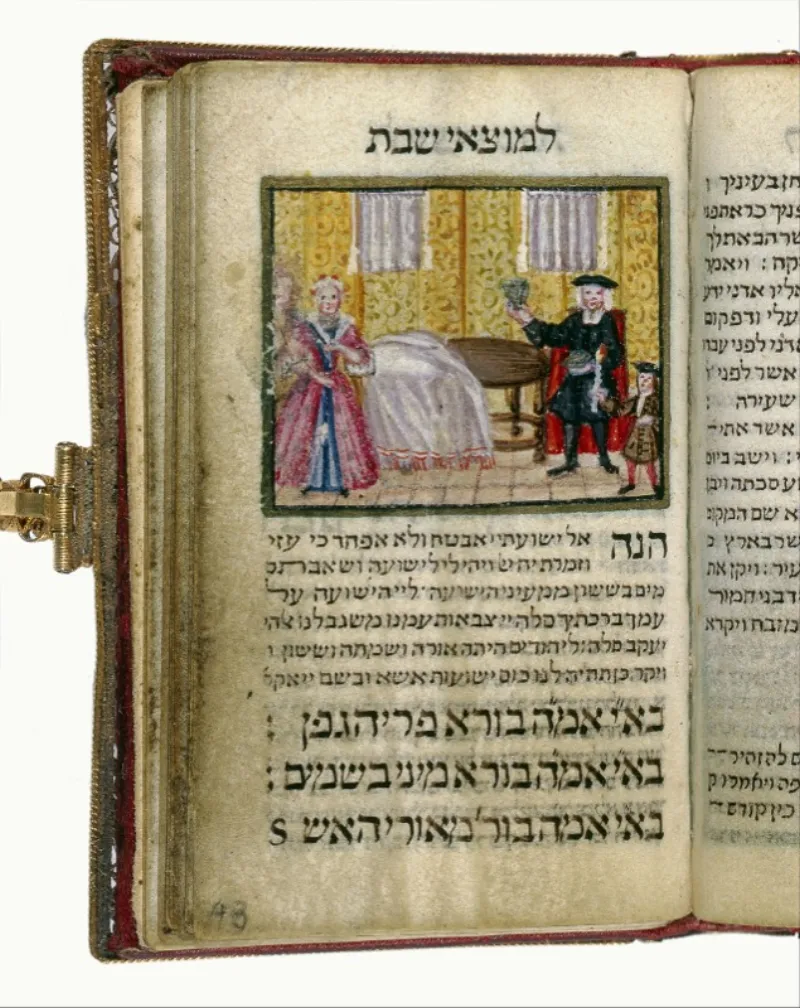
This Is My God and I Will Beautify Him
After crossing the Red Sea, the Israelites sang a song of praise that included the words Zeh Eli v’anvehu — “This is my God and I will beautify Him” (Exodus 15:2). The rabbis of the Talmud seized on this verse and asked a practical question: How do you beautify God? God is infinite, incorporeal, beyond any physical adornment. What could the verse possibly mean?
Their answer was characteristically concrete: “Beautify yourself before Him through mitzvot. Make a beautiful sukkah, a beautiful lulav, a beautiful shofar, beautiful tzitzit, a beautiful Torah scroll” (Shabbat 133b). You beautify God by beautifying the way you serve God. This principle — hiddur mitzvah, the beautification of the commandment — is one of Judaism’s most distinctive contributions to religious thought.
The Aesthetics of Obligation
In most religious traditions, beauty and obligation exist in separate categories. You do your duty, and if it happens to be beautiful, that’s a bonus. Judaism insists that the beauty is part of the duty. A sukkah that technically meets the legal requirements but is ugly is deficient. A Torah scroll written in clumsy handwriting is valid but regrettable. The mitzvah deserves to be performed not just correctly but beautifully.
The Talmud specifies that one should be willing to spend up to one-third more on a beautiful version of a ritual object than on a merely adequate one. This is not a suggestion for the wealthy — it applies to everyone. Beauty in Jewish practice is not a luxury; it is an obligation.
This principle explains why Jewish ritual objects are often works of art. Silver Kiddush cups, embroidered tallit bags, illuminated ketubot, carved menorahs — these are not decorations. They are expressions of hiddur mitzvah, the conviction that the holy deserves the beautiful.
Beauty in the Torah
The Hebrew Bible is not afraid of physical beauty. Sarah is described as so beautiful that Abraham fears foreign kings will kill him to take her. Rebecca is “very beautiful to look at” (Genesis 24:16). Rachel is “beautiful of form and beautiful of appearance” (Genesis 29:17). Joseph is so handsome that Potiphar’s wife cannot resist him. David is “ruddy, with beautiful eyes” (1 Samuel 16:12). Esther is chosen as queen for her beauty.
But the Torah is consistently suspicious of beauty as a primary value. The most dangerous moments in the biblical narrative often involve beauty: Eve saw that the fruit was “a delight to the eyes” (Genesis 3:6). The sons of God saw that the daughters of men were “beautiful” (Genesis 6:2), and the result was the corruption that led to the Flood. Samson’s attraction to Delilah’s beauty led to his downfall.
The tradition’s most quoted verse on beauty is from Proverbs 31:30: “Grace is deceptive and beauty is fleeting, but a woman who fears the Lord is to be praised.” This is not a rejection of beauty but a ranking: inner beauty — character, wisdom, fear of God — outranks external appearance.
Shabbat and the Queen
The most beautiful expression of Jewish aesthetics may be Shabbat. The Talmud describes Shabbat as a queen or bride, and Jewish practice treats it accordingly. The house is cleaned. The table is set with white cloth and candles. Special food is prepared — challah, wine, the best meal of the week. And the family dresses in their finest clothes.
This is beauty as spiritual practice. The act of setting a beautiful table for Shabbat transforms a meal into a ceremony. The white tablecloth becomes a sacred space. The candles become a gateway between ordinary time and holy time. As Rabbi Heschel wrote, Shabbat is “a palace in time” — and a palace deserves to be beautiful.
Inner and Outer
Judaism’s deepest insight about beauty may be that the distinction between inner and outer is false. When you beautify a mitzvah, you are beautifying your soul. When you dress beautifully for Shabbat, you are honoring something inside yourself — the divine spark that deserves to be treated with dignity.
The Kabbalists taught that beauty (tiferet) is one of the ten sefirot — the divine attributes through which God interacts with the world. Tiferet represents the harmony between chesed (kindness) and gevurah (strength). Beauty, in this framework, is not decoration. It is balance, harmony, wholeness — the integration of opposing forces into something greater than either.
This is why Judaism does not ask you to choose between the beautiful and the good. It asks you to make the good beautiful, and the beautiful good. Hiddur mitzvah is not about aesthetics for its own sake. It is about recognizing that everything we do in service of the sacred deserves our highest creative effort — that the holy and the beautiful are, at their deepest level, one and the same.
Frequently Asked Questions
What is hiddur mitzvah?
Hiddur mitzvah means 'beautifying the commandment' — the principle that when performing a mitzvah, one should do it in the most beautiful way possible. This means using a beautiful etrog, a finely crafted menorah, elegant Shabbat candlesticks, or a well-decorated sukkah. The Talmud derives this from Exodus 15:2: 'This is my God and I will beautify Him.'
Does the Torah value physical beauty?
The Torah acknowledges physical beauty without either condemning or idolizing it. Sarah, Rebecca, Rachel, Joseph, David, and Esther are all described as beautiful. But the tradition consistently warns that beauty alone is insufficient — 'Grace is deceptive and beauty is fleeting, but a woman who fears the Lord is to be praised' (Proverbs 31:30).
Why do Jews dress up for Shabbat?
Dressing in special clothes for Shabbat reflects the principle that the holy deserves beauty. The Talmud says one's Shabbat garments should be different from weekday clothes. This practice treats Shabbat as a 'queen' or 'bride' who deserves honor — and treats ourselves as people worthy of meeting her.
Sources & Further Reading
- Talmud Shabbat 133b — Hiddur Mitzvah
- Rabbi Abraham Joshua Heschel — The Sabbath ↗
- My Jewish Learning — Beauty in Judaism ↗
Related Articles
Jewish Art Through the Ages
Jewish art has navigated the tension between the Second Commandment's prohibition on graven images and the human desire for beauty — from ancient mosaics to Chagall's soaring canvases.
Building a Jewish Home: What Every New Household Needs
Whether you're a newlywed, a new convert, or simply starting fresh — here is what you need to turn a house into a Jewish home: from mezuzah to Shabbat candlesticks, kiddush cup to tzedakah box.
The Spiritual Meaning of Shabbat: A Palace in Time
Shabbat is far more than a day off. It is a taste of the World to Come, a weekly declaration of freedom, and what Abraham Joshua Heschel called 'a palace in time.' Explore the deep spiritual meaning behind Judaism's most sacred day.