Shalom: The Hebrew Word That Means Far More Than Hello
Shalom means hello, goodbye, and peace — but its deepest meaning is wholeness and completeness. This one word holds the core of Jewish aspiration.
One Word, Many Worlds
There is no single word in any language that does more work than Shalom (שלום). Say it when you arrive: hello. Say it when you leave: goodbye. Ask what you hope for in the world: peace. Ask what you wish for someone you love: completeness, wholeness, nothing broken, nothing missing.
Shalom is the first Hebrew word many people learn and the last word many people truly understand. It appears in the Bible over 200 times. It is spoken thousands of times daily in Israel, in synagogues worldwide, and increasingly in everyday English. It is a greeting, a blessing, a name, a prayer, and an aspiration for the entire human family.
The Root: Sh-L-M
To understand Shalom, you need to understand its three-letter root: shin-lamed-mem (ש-ל-מ). This root carries the meaning of wholeness, completeness, and perfection. It is the same root that gives us:
- Shalem — complete, whole
- Shillem — to pay, to make whole (fulfilling an obligation)
- Mushlam — perfect
- Yerushalayim — Jerusalem, the city of peace/completeness
- Shlomo — Solomon, the king whose name means “his peace”
So when you say Shalom, you are not merely saying “peace” in the narrow sense of “absence of war.” You are invoking a concept of total well-being — a state where nothing is missing, nothing is fractured, everything is as it should be. The opposite of Shalom is not just conflict but brokenness.
Shalom as Greeting and Farewell
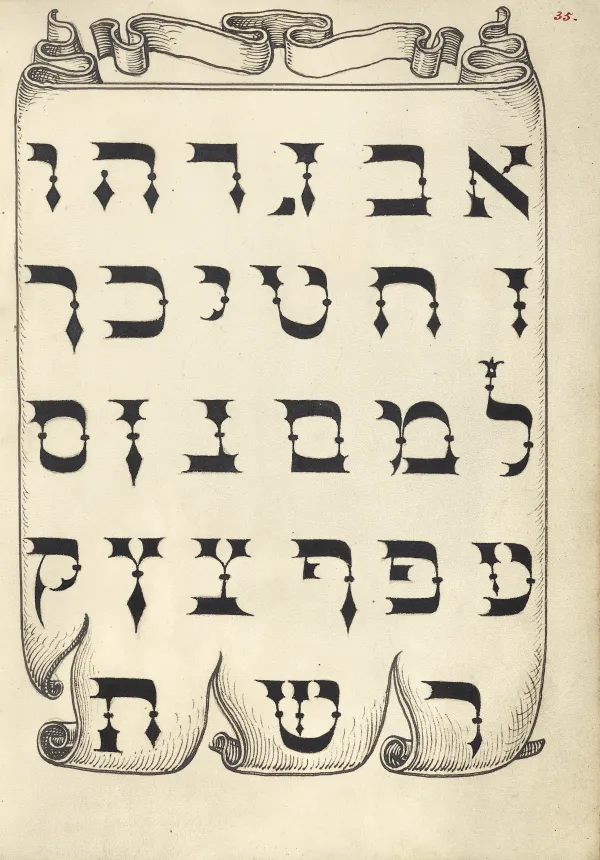
Hebrew is one of very few languages that uses the same word for both hello and goodbye. When you arrive and say Shalom, you are telling the other person: I come in peace. I wish you wholeness. When you leave and say Shalom, you are saying: May you remain in peace. May nothing disturb your completeness until we meet again.
The fuller version of the greeting is Shalom Aleichem (שלום עליכם) — “Peace be upon you.” The traditional response is Aleichem Shalom — “Upon you, peace.” This exchange mirrors the Arabic As-salamu alaykum / Wa alaykum as-salam, reflecting the shared Semitic roots of Hebrew and Arabic and the shared value both traditions place on peace as the highest greeting.
Shalom Aleichem is also the name of a beloved Friday night hymn sung at the Shabbat table, welcoming the ministering angels who, according to tradition, accompany each person home from synagogue on Friday evening. The song transforms the greeting into liturgy — peace is not just wished but sung into being.
And of course, Shalom Aleichem (or Sholem Aleichem in Yiddish pronunciation) is the pen name of one of the greatest Yiddish writers in history — Solomon Naumovich Rabinovich, whose stories of Tevye the Dairyman became the basis for Fiddler on the Roof.
Shabbat Shalom
Perhaps the most commonly heard use of Shalom in Jewish life is the Shabbat greeting: Shabbat Shalom — “Peaceful Sabbath.” From Friday afternoon through Saturday night, Jews greet each other with these words, and they carry a specific weight.
Shabbat is, by design, a day of peace. The commandment to rest on the seventh day is not merely about stopping work — it is about entering a state of completeness. The week’s struggles are suspended. The phone stops ringing (for those who observe). The to-do list is set aside. For twenty-five hours, the goal is Shalom in its fullest sense: body at rest, soul at peace, family gathered, disputes set aside.
When you say Shabbat Shalom, you are wishing someone entry into that state. It is both a greeting and a blessing.
Shalom Bayit: Peace in the Home
One of Judaism’s most cherished values is Shalom Bayit (שלום בית) — literally “peace of the home.” This refers to domestic harmony, the peaceful functioning of a household, the absence of destructive conflict between partners and family members.
The rabbis considered Shalom Bayit so important that Jewish law permits certain remarkable concessions to preserve it. The Talmud teaches that God’s own name may be erased — an otherwise forbidden act — if doing so will bring peace between a husband and wife (Numbers 5:23, as discussed in the Talmud).
Shalom Bayit is not the absence of disagreement — no real family avoids disagreement entirely. It is the commitment to resolve conflict constructively, to prioritize the well-being of the household over the satisfaction of winning an argument. It is, in miniature, the same vision of Shalom that Judaism holds for the entire world — applied first where it matters most: at home.
Shalom as a Name of God
The Talmud (Shabbat 10b) makes a remarkable claim: Shalom is one of the names of God. This teaching comes from the book of Judges (6:24), where Gideon builds an altar and calls it “Adonai Shalom” — “The Lord is Peace.”
Because Shalom is considered a divine name, traditional Jews will not say it in certain contexts — for example, in a bathroom or an unclean place. This is a small but telling detail: the word is treated not merely as a greeting but as something sacred, a piece of divine vocabulary on loan to human conversation.
This also means that when you greet someone with Shalom, you are — in a sense — invoking God’s presence. Every hello is a tiny prayer. Every goodbye is a blessing.
Shalom as a Human Name
Shalom is one of the most popular Jewish given names, used for thousands of years. Boys named Shalom carry the hope that they will be people of peace. The feminine form, Shulamit (from the same root), appears in the Song of Songs and means “the peaceful one.”
Famous bearers of the name include Shalom Aleichem (the writer), Shalom Harlow (the model), and countless ordinary Jews throughout history who were given this name as both a blessing and a charge: be a person who brings wholeness.
Jerusalem: The City of Shalom
The name Yerushalayim (Jerusalem) is traditionally understood to contain the word Shalom within it. While scholars debate the precise etymology, the folk understanding is powerful: Jerusalem is the “City of Peace” — or perhaps more accurately, the “Foundation of Wholeness.”
The irony is not lost on anyone. Jerusalem, the city whose name means peace, has been one of the most contested places on earth for three thousand years. And yet the name persists as an aspiration. It insists that peace is not naive — it is the very foundation, the thing the city was built to embody, even when reality falls short.
Why Shalom Matters
In a world with too many words, Shalom is a word that does not waste your time. It does not distinguish between the peace you wish for yourself and the peace you wish for the stranger at your door. It does not separate the personal from the political, the spiritual from the practical. When you say Shalom, you are saying everything at once: Hello. Goodbye. Be well. Be whole. May nothing in your life be broken. May we live in a world where nothing is broken.
That is a lot for one word to carry. But Shalom has been carrying it for three thousand years, and it shows no sign of setting it down.
Sources
- Judges 6:24 — Gideon names an altar “Adonai Shalom” — establishing Shalom as a name of God
- My Jewish Learning — Shalom — Overview of the word’s meaning and cultural significance
- Chabad.org — The Meaning of Shalom — Deeper exploration of Shalom in Jewish thought
- Jewish Virtual Library — Hebrew Language — Context of Hebrew vocabulary and usage
Frequently Asked Questions
Does Shalom mean hello, goodbye, or peace?
All three — and more. Shalom (שלום) is used as a greeting (hello), a farewell (goodbye), and means 'peace.' But its root meaning is wholeness and completeness. When you greet someone with Shalom, you are wishing them total well-being — physical, emotional, and spiritual peace.
What does Shabbat Shalom mean?
Shabbat Shalom (שבת שלום) means 'Peaceful Sabbath' or 'Sabbath of peace.' It is the standard greeting among Jews on Friday evening and Saturday, wishing one another the special peace that the Sabbath day is meant to bring. It can be said to anyone observing Shabbat.
Is Shalom a name?
Yes. Shalom is a common Jewish name for both men and women (sometimes as Shulamit for women). The Talmud teaches that Shalom is also one of the names of God. Naming a child Shalom expresses the hope that they will bring peace and wholeness to the world.
Sources & Further Reading
Related Articles
Hebrew: The Language of the Torah and Israel
From an ancient sacred tongue to a modern spoken language — the remarkable story of Hebrew's revival.
Common Hebrew Words and Phrases Everyone Should Know
Whether you are visiting Israel, attending a synagogue, or just curious, these essential Hebrew words and phrases — from Shalom to Yalla — will open doors and earn smiles.
Shabbat: The Weekly Day of Rest
Every week, Jewish life pauses for 25 hours of rest, reflection, and togetherness — discover the beauty of Shabbat.