Jews in Southeast Asia: Manila, Singapore, and Beyond
The surprising story of Jewish life in Southeast Asia — Manila's WWII refugee community, President Quezon's rescue plan, Singapore's historic synagogue, and Chabad's modern outposts.

The Furthest Corners
When people think of Jewish communities around the world, they think of New York, Jerusalem, London, Buenos Aires. They do not usually think of Manila, Singapore, or Phnom Penh. But Jewish life in Southeast Asia — small, transient, and often invisible — has a history that is deeper and more dramatic than most people realize. It includes one of the most remarkable rescue stories of the Holocaust, some of the most beautiful synagogues in the East, and a modern network of Chabad houses that serve thousands of Jewish travelers every year.
Manila: Refuge in the Pacific
The most dramatic chapter of Jewish life in Southeast Asia is the story of the Manila rescue. In the late 1930s, as European Jews desperately sought escape from Nazi persecution, one unlikely destination opened its doors: the Philippines.
The key figures were the Frieder brothers — Jewish Americans who ran a cigar manufacturing business in Manila — and Philippine President Manuel Quezon. The Frieders, horrified by reports from Europe, lobbied Quezon to accept Jewish refugees. Quezon, a man of remarkable compassion, agreed.
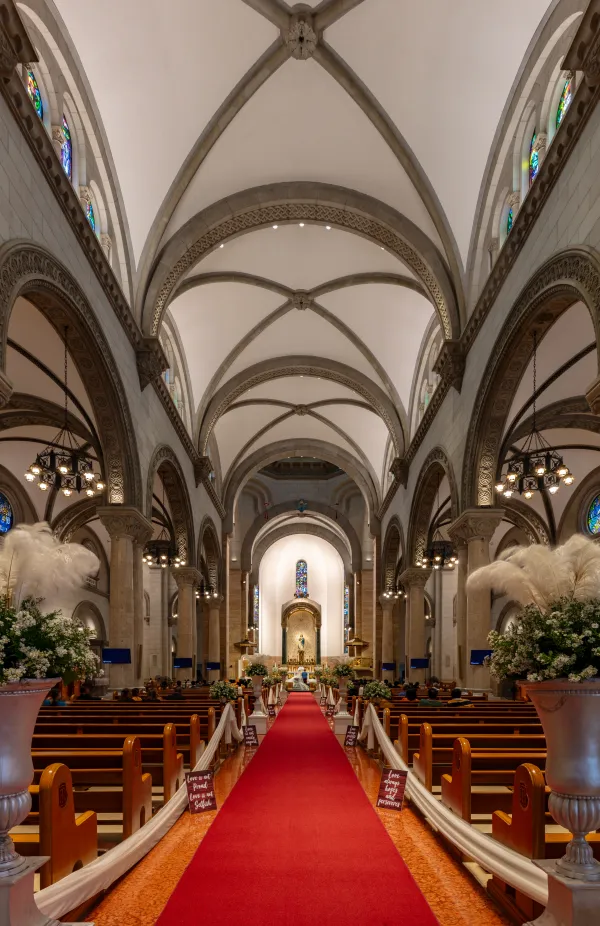
Between 1937 and 1941, approximately 1,200 European Jews — mostly from Germany, Austria, and Poland — arrived in Manila. Quezon went further: he proposed establishing a large-scale Jewish settlement on the island of Mindanao, offering 10,000 acres for agricultural development. The plan, known as the “Quezon Plan” or the “Mindanao Plan,” envisioned bringing up to 10,000 refugees.
The Japanese invasion of December 1941 cut the plan short. During the Japanese occupation (1942–1945), the Jewish refugees in Manila suffered along with the entire population — internment, shortages, and the devastating Battle of Manila in 1945, which killed over 100,000 civilians. But they survived. And most of them owed their lives to a Filipino president who, when asked why he helped, reportedly said: “It is my hope and my desire to open the doors of the Philippines to the oppressed people of the world.”
After the War
Most Manila refugees eventually moved to the United States or Israel after the war. The Jewish community in the Philippines shrank to a small group of businesspeople and professionals. Today, Manila has a small Jewish community — estimates range from 100 to 200 people — served by a synagogue (Beth Yaacov) and a Chabad center.
Singapore: A Storied Community
Singapore’s Jewish community is one of the oldest in Southeast Asia, dating to the early 19th century. Sephardi Jews from Baghdad, India, and the Middle East arrived in Singapore as traders following the establishment of the British colonial port in 1819.
The most prominent Jewish family in Singapore’s history was the Sassoons — the “Rothschilds of the East” — whose trading empire stretched from Bombay to Shanghai. Other notable families included the Menassehs, Elias, and Toeg clans.
Singapore’s Maghain Aboth Synagogue, established in 1878, is the oldest synagogue in Southeast Asia. The Chesed-El Synagogue, built in 1905, is an architectural jewel. Both are still active, serving a community of approximately 2,500 Jews — a mix of longtime Sephardi families and more recent Ashkenazi expatriates.
During the Japanese occupation (1942–1945), Singapore’s Jews suffered alongside the general population. Some were interned; others survived by hiding their identities. After the war, many Jewish families left for Israel, Australia, or Britain, but a core community remained.
Hong Kong: Trading Post to Financial Center
Jewish life in Hong Kong follows a similar pattern to Singapore — Sephardi traders arrived in the 19th century, established synagogues and communal institutions, and were joined over time by Ashkenazi immigrants and modern expatriates.
The Kadoorie family — originally from Baghdad — became one of Hong Kong’s most prominent families, known for their business empire and philanthropy. Sir Elly Kadoorie built the landmark Peninsula Hotel; the Kadoorie Farm and Botanic Garden remains a beloved institution.
The Ohel Leah Synagogue, built in 1902, is Hong Kong’s historic Jewish center. Today, the city’s Jewish community numbers approximately 5,000, supported by multiple synagogues, a Jewish community center, a Jewish school, and an active Chabad presence.
The Chabad Network
Perhaps the most remarkable feature of Jewish life in Southeast Asia today is the Chabad-Lubavitch network. Starting in the 1990s and accelerating in the 2000s, Chabad established centers across the region, targeting two populations: Jewish expatriates living and working in Asian cities, and the thousands of young Israeli backpackers who travel through Southeast Asia after their military service.
Chabad centers in Bangkok, Phnom Penh, Ko Samui, Hanoi, Ho Chi Minh City, Bali, and dozens of other locations offer Shabbat dinners (sometimes serving hundreds), holiday celebrations (Passover seders in Thailand routinely attract over a thousand guests), kosher food, and a taste of home for travelers far from any established Jewish community.
These centers serve a transient population — most visitors stay for a few days or weeks before moving on. But they create a Jewish presence in places that would otherwise have none, and they ensure that a Jewish backpacker in rural Laos or a Jewish businessperson in Jakarta can find a Shabbat table and a fellow Jew.
Small Communities, Big Stories
Jewish life in Southeast Asia has always been small — a few hundred here, a few thousand there. But these communities punch far above their weight in drama and significance. The Manila rescue is one of the great untold stories of the Holocaust. Singapore’s synagogues are architectural treasures. Hong Kong’s Jewish families shaped the city’s commercial development. And Chabad’s network across the region demonstrates something essential about Jewish life: even in the most unlikely places, even among the most transient populations, the impulse to gather, to pray, to eat together on Friday night, and to maintain a Jewish presence persists.
The furthest corners of the diaspora are never truly beyond reach.
Frequently Asked Questions
Did the Philippines help save Jews during the Holocaust?
Yes. Philippine President Manuel Quezon, working with American officials including Paul McNutt and the Frieder family (Jewish cigar manufacturers in Manila), opened the Philippines to approximately 1,200 Jewish refugees from Europe between 1937 and 1941. Quezon even offered land in Mindanao for a larger settlement, though this plan was cut short by the Japanese invasion.
Is there a Jewish community in Singapore today?
Yes. Singapore has a small but active Jewish community of approximately 2,500 people, centered around two synagogues — the Maghain Aboth (established 1878, the oldest synagogue in Southeast Asia) and the Chesed-El (established 1905). The community includes both longtime residents and expatriates.
Where does Chabad operate in Southeast Asia?
Chabad-Lubavitch has established centers across Southeast Asia, including in Bangkok (Thailand), Phnom Penh (Cambodia), Ho Chi Minh City (Vietnam), Manila (Philippines), Singapore, Hong Kong, Seoul (South Korea), and multiple locations in Japan. These centers serve Jewish travelers, expatriates, and backpackers with Shabbat meals, holiday celebrations, and community services.
Sources & Further Reading
Related Articles
Chabad-Lubavitch: The Global Jewish Outreach Movement
From Crown Heights to Kathmandu, Chabad-Lubavitch has built the largest Jewish outreach network in the world — powered by the vision of one rabbi and an army of young emissaries.
The Jewish Diaspora: 2,000 Years Across the Globe
How the destruction of the Second Temple scattered the Jewish people across continents, creating diverse communities united by faith.
The Holocaust: Remembering the Six Million
The systematic murder of six million Jews during World War II — the darkest chapter in human history and its lasting impact on Jewish identity.