Jewish Partisans in World War II: Fighting Back
The untold story of Jewish resistance during World War II — from forest partisans and the Bielski brothers to the Warsaw Ghetto Uprising, the Sobibor revolt, and Hannah Senesh's sacrifice.
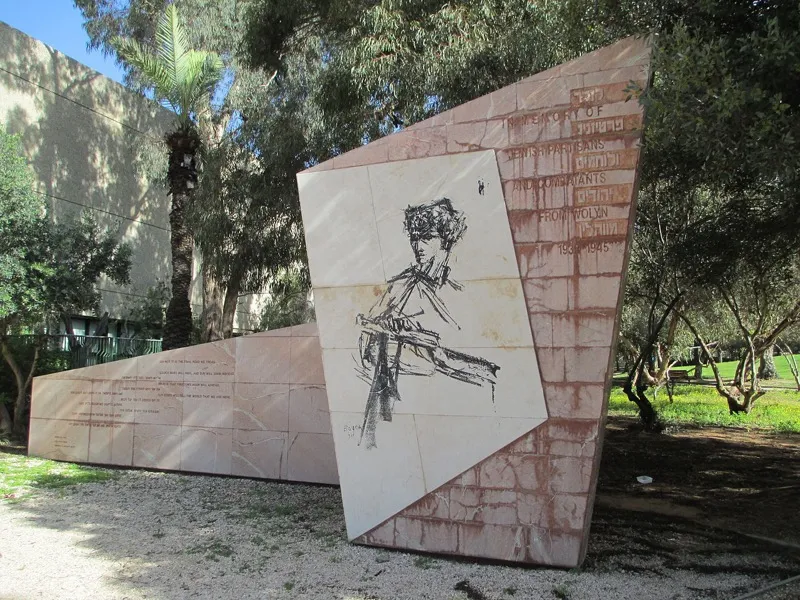
They Fought Back
There is a lie that persists about Jews during the Holocaust — that they went passively to their deaths, that they did not resist, that they accepted their fate with a resignation bordering on complicity. This lie is not only wrong; it is an insult to the memory of tens of thousands of Jews who fought back with whatever they had — guns, grenades, bare hands, and an unbreakable refusal to die on the enemy’s terms.
The truth is that Jewish resistance during World War II was far more widespread, more organized, and more heroic than most people know. An estimated 20,000 to 30,000 Jews fought as partisans in the forests and mountains of Eastern Europe. Thousands more rose up in ghettos and death camps. They fought against odds that military textbooks would call suicidal. And they fought not only to kill Germans, but to save lives, preserve dignity, and deny the Nazis the total victory they sought.
This is their story.
Why Resistance Was Nearly Impossible
Before celebrating the partisans, it is essential to understand what they were up against. The conditions that made Jewish resistance so difficult were deliberately engineered by the Nazis:
- Isolation: Jews were confined to ghettos, cut off from the surrounding population, and denied access to weapons, communication, and information.
- Collective punishment: The Nazis routinely executed hundreds of hostages in retaliation for any act of resistance, making individuals carry the weight of their community’s survival.
- Starvation and disease: Ghetto conditions were designed to weaken people physically and psychologically before they could organize.
- Deception: Until the very end, the Nazis disguised their intentions. “Resettlement to the East” was the euphemism for Treblinka.
- Speed: The killing operations moved with terrifying efficiency. Many communities were liquidated before resistance could be organized.
Against all of this, Jews resisted. The forms of resistance ranged from armed revolt to spiritual defiance — and all of it mattered.
The Forest Partisans
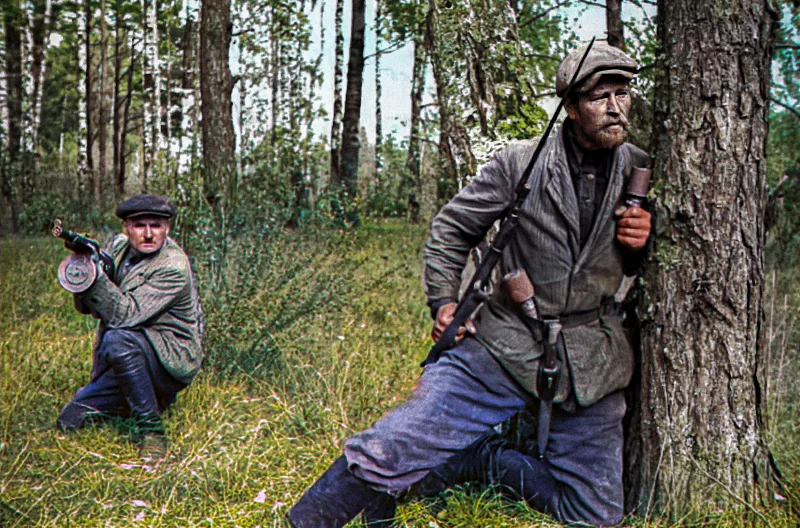
Across the vast forests of Eastern Europe — in Belarus, Lithuania, Ukraine, and Poland — Jewish fighters formed partisan units or joined existing ones. Living in dugouts and crude camps, hunted by German forces and sometimes hostile local populations, they conducted sabotage operations, ambushed German patrols, blew up rail lines, and disrupted supply routes.
The Bielski Brothers
The most remarkable partisan group was led by three brothers from a farming family in western Belarus: Tuvia, Zus, and Asael Bielski. When the Germans murdered their parents and two brothers in December 1941, the surviving Bielskis fled to the Naliboki Forest with a handful of followers.
What made the Bielskis unique was their mission. While most partisan groups focused on military operations, Tuvia Bielski insisted that saving Jewish lives was the primary goal. “I’d rather save one old Jewish woman than kill ten German soldiers,” he said. The Bielski camp became a refuge for anyone who could reach it — old people, children, women, the sick, craftsmen, scholars. Fighters went on armed missions. Non-fighters worked in workshops, a bakery, a school, and a hospital.
By war’s end, approximately 1,200 Jews lived in the Bielski camp — the largest armed rescue of Jews by Jews during the Holocaust. The story was largely unknown until historian Nechama Tec’s book Defiance and the subsequent film.
The Vilna Partisans
In the Vilna Ghetto (Lithuania), a group of young Jews led by Abba Kovner formed the United Partisan Organization (FPO). In January 1942, Kovner issued what may have been the first public call to arms in any ghetto:
“Let us not go like sheep to the slaughter! Jewish youth, do not trust those who deceive you… Hitler plans to destroy all the Jews of Europe… We will not go like sheep to the slaughter! True, we are weak and helpless, but the only answer to the murderer is revolt!”
When the Vilna Ghetto was liquidated in September 1943, FPO fighters escaped to the forests and continued fighting as partisans until liberation. Kovner survived the war and became a renowned Israeli poet.
Ghetto Uprisings
The Warsaw Ghetto Uprising (April-May 1943)
The Warsaw Ghetto Uprising was the largest act of Jewish armed resistance during the Holocaust and one of the most significant acts of urban warfare in World War II. By April 1943, most of the ghetto’s original 400,000 inhabitants had been deported to Treblinka. The surviving fighters — perhaps 750 in total — knew they could not win. They fought anyway.
Led by Mordechai Anielewicz, the Jewish Combat Organization (ZOB) and the Jewish Military Union (ZZW) used homemade weapons, smuggled pistols, and Molotov cocktails against SS troops, tanks, and artillery. The Germans, expecting to liquidate the ghetto in three days, needed nearly a month. They ultimately had to burn the ghetto building by building.
Anielewicz died in a command bunker on May 8. His final letter read: “The dream of my life has been fulfilled. Jewish self-defense in the ghetto has become a fact… I have been witness to the magnificent, heroic fighting of Jewish men of battle.”
The uprising did not save the ghetto. It saved something else — the idea that Jews could and would fight, even when victory was impossible.
Death Camp Revolts
Resistance occurred even in the death camps themselves — an almost incomprehensible act of courage given the conditions.
Sobibor (October 14, 1943)
At the Sobibor extermination camp in eastern Poland, a group of prisoners led by Alexander Pechersky, a Soviet Jewish prisoner of war, organized a meticulously planned revolt. Prisoners lured individual SS officers into workshops and killed them with axes and knives. When the signal came, several hundred prisoners rushed the fences. About 300 escaped. Roughly 50 survived the war.
The Nazis were so shaken by the Sobibor revolt that they demolished the camp, plowed the ground, and planted trees to hide any evidence of what had happened there.
Treblinka (August 2, 1943)
Prisoners at Treblinka broke into the camp armory, seized weapons, and set fire to camp buildings. About 300 prisoners broke out. Most were hunted down, but roughly 70 survived the war.
Auschwitz-Birkenau (October 7, 1944)
Members of the Sonderkommando — prisoners forced to work in the gas chambers and crematoria — revolted, blowing up Crematorium IV. The uprising was suppressed, and all participants were killed. Four Jewish women who had smuggled explosives from a nearby factory were publicly hanged. One of them, Roza Robota, was tortured for weeks but never revealed her co-conspirators. Her last word, witnesses reported, was: “Nekamah” — revenge.
Hannah Senesh
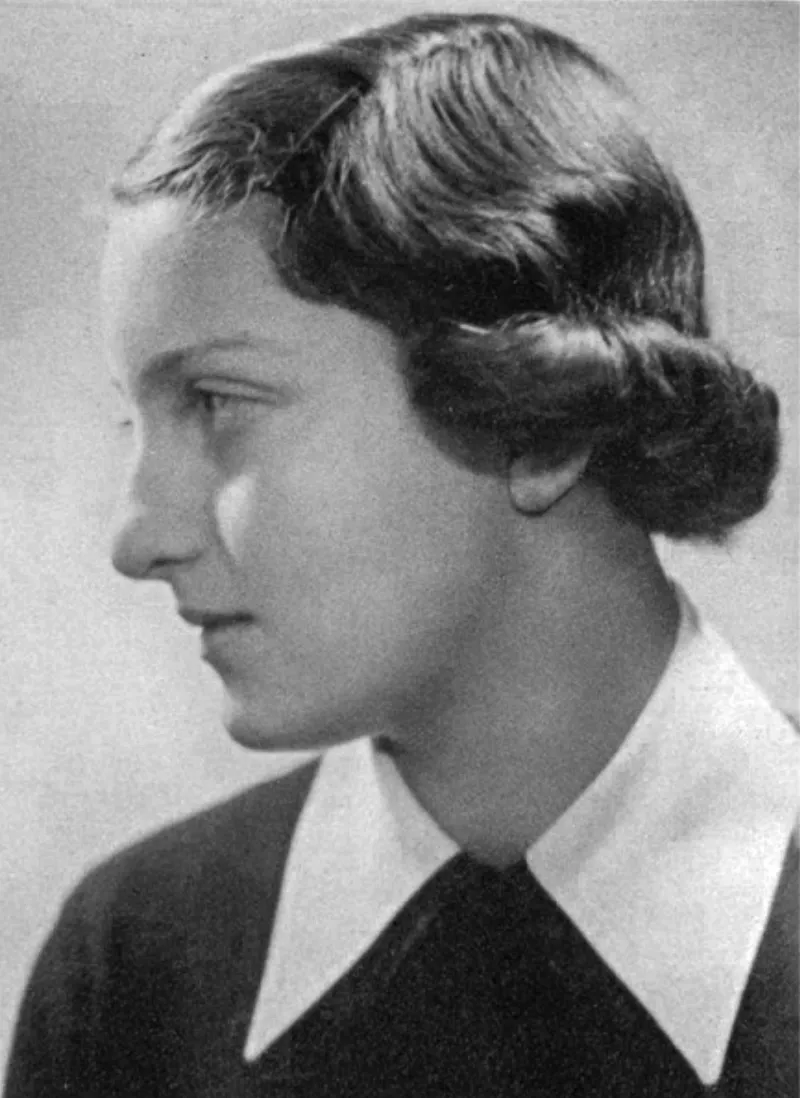
Hannah Senesh (also spelled Szenes) was a Hungarian-born Jew who emigrated to Palestine in 1939. In 1944, at age 22, she volunteered for a British mission to parachute behind enemy lines and rescue Jews in Hungary. She was captured, tortured, and executed by firing squad. She refused a blindfold.
Senesh left behind poetry that has become part of the Jewish canon. Her most famous poem, “Eli, Eli” (“My God, My God”), is sung in synagogues and at memorial ceremonies:
“My God, my God, I pray that these things never end: the sand and the sea, the rustle of the waters, the lightning of the heavens, the prayer of man.”
Beyond Weapons
Armed resistance was only one form of Jewish defiance. Equally important — and far more widespread — were acts of spiritual and cultural resistance:
- The Oyneg Shabes archive in the Warsaw Ghetto, organized by historian Emanuel Ringelblum, documented daily life, deportations, and atrocities in milk cans and metal boxes buried underground. Recovered after the war, it remains one of the most important Holocaust sources.
- Secret schools operated in ghettos across Europe, maintaining Jewish education under penalty of death.
- Religious observance — keeping Shabbat, fasting on Yom Kippur, baking matzah for Passover — continued in ghettos and even in camps.
- Rescue networks smuggled children to convents, farms, and safe houses across Europe.
Rabbi Kalonymus Kalman Shapira, the Rebbe of the Piaseczno Hasidim, delivered Torah teachings in the Warsaw Ghetto until his deportation in 1943. His sermons, buried in the ghetto rubble and recovered after the war, are considered among the most profound theological works of the 20th century.
Remembering
For decades after the war, the story of Jewish resistance was overshadowed by the enormity of the destruction. Survivors who had fought felt uncomfortable claiming heroism when six million had perished. Survivors who had not fought felt accused by the very existence of the fighters’ story.
Today, the partisans’ legacy is recognized as an essential part of Holocaust memory. The Jewish Partisan Educational Foundation works to preserve their stories. Yad Vashem and the United States Holocaust Memorial Museum document their sacrifices. And in Israel, the partisans are honored as forerunners of Jewish self-defense.
They did not save the six million. Nothing could have. But they saved something that the Nazis tried to destroy along with the bodies: the knowledge that Jews fought back, that they refused to accept the verdict of their enemies, and that even in the darkest hour of human history, human courage was not extinguished.
Frequently Asked Questions
How many Jewish partisans fought in World War II?
Approximately 20,000-30,000 Jews fought as partisans in the forests and mountains of Eastern Europe during World War II. This number includes those in Jewish partisan units, those who joined Soviet or Polish partisan groups, and those who fought in ghetto uprisings. The actual number may be higher, as many fighters did not survive to be counted.
Did Jews resist the Holocaust?
Yes — far more than popular narratives suggest. Beyond armed resistance, Jews engaged in spiritual resistance (maintaining religious practice, education, and cultural life), rescue operations (smuggling children to safety), documentation (the Oyneg Shabes archive in Warsaw), and countless acts of individual defiance. The myth that Jews 'went like sheep to the slaughter' is both inaccurate and deeply unfair to people facing impossible circumstances.
Who were the Bielski partisans?
The Bielski partisans were a Jewish partisan group led by brothers Tuvia, Zus, and Asael Bielski in the forests of western Belarus. Unlike most partisan groups that focused primarily on combat, the Bielskis prioritized saving Jewish lives. By war's end, they had rescued and protected approximately 1,200 Jews — the largest armed rescue of Jews by Jews during the Holocaust.
Sources & Further Reading
- United States Holocaust Memorial Museum — Resistance ↗
- Jewish Partisan Educational Foundation ↗
- Yad Vashem — Jewish Resistance ↗
- Nechama Tec, Defiance: The Bielski Partisans
Related Articles
The Holocaust: Remembering the Six Million
The systematic murder of six million Jews during World War II — the darkest chapter in human history and its lasting impact on Jewish identity.
The Birth of Modern Israel
From the rise of Zionism to the declaration of independence in 1948 — the story of how the Jewish homeland was reestablished.
Life in the Shtetl: Eastern European Jewish Towns
For centuries, millions of Jews lived in small towns across Eastern Europe — communities rich in tradition, learning, and culture that shaped modern Jewish identity.