Kosher for Passover: The Complete Guide to Chametz, Kitniyot, and Preparation
Everything you need to know about keeping kosher for Passover — what chametz is, the kitniyot debate, Sephardi vs. Ashkenazi rules, kashering your kitchen, and what to buy.
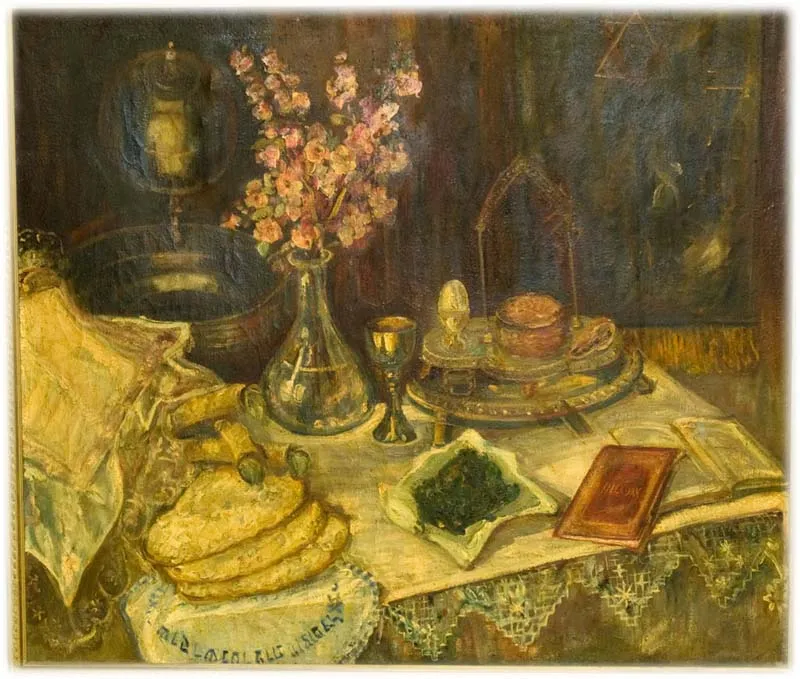
The Most Intensive Jewish Kitchen Project
If you have ever watched a Jewish family prepare for Passover, you know it is an event unto itself. Cabinets are emptied. Countertops are covered. Ovens are fired to their maximum temperature. Separate dishes, pots, and utensils emerge from storage. The entire kitchen undergoes a transformation so thorough that it would impress a health inspector.
All of this effort serves a single biblical commandment: “For seven days, no leaven (se’or) shall be found in your houses” (Exodus 12:19). During Passover, Jews are prohibited from eating, owning, or even possessing chametz — leavened grain products. The prohibition commemorates the Israelites’ hasty departure from Egypt, when they had no time to let their bread rise.
But what exactly counts as chametz? What about rice, corn, and beans? How do you kasher a kitchen? And why do Ashkenazi and Sephardi Jews follow different rules? This guide covers it all.
What Is Chametz?
Chametz is defined with surprising precision. It refers to any product made from one of the five grains — wheat, barley, rye, oats, or spelt — that has come into contact with water and been allowed to sit for more than 18 minutes without being baked.
Within those 18 minutes, the dough has not yet begun to ferment. This is why matzah — the quintessential Passover food — is made from wheat flour and water but is not chametz: it is mixed, rolled, and baked within the 18-minute window, preventing any leavening.
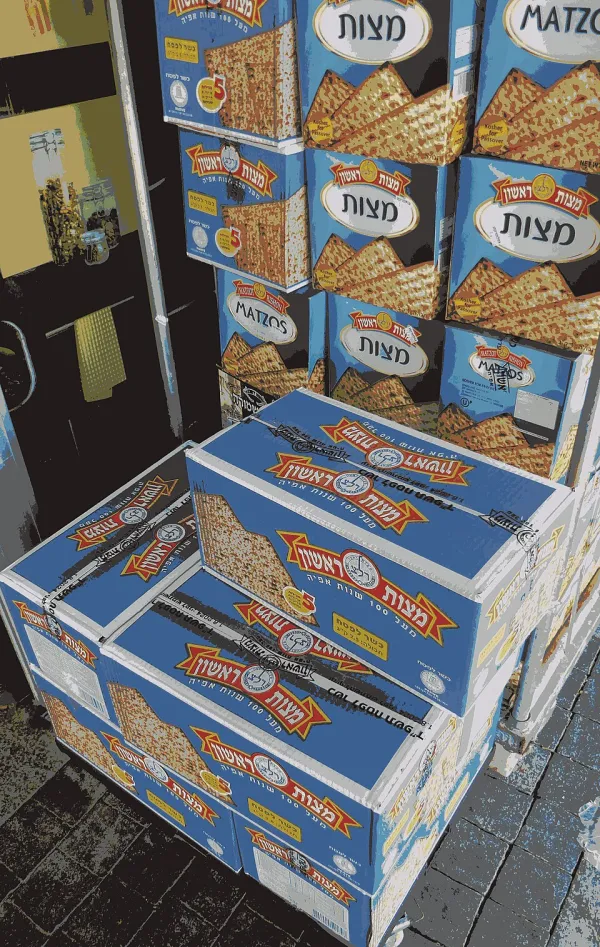
Common chametz products include:
- Bread, rolls, and bagels (unless specifically kosher for Passover)
- Pasta of all kinds
- Cereal (wheat, oat, or barley-based)
- Beer (made from barley)
- Whiskey and bourbon (made from grain)
- Cookies, cakes, and crackers (unless made with matzah meal)
- Soy sauce (contains wheat)
- Many processed foods (flour is used as a thickener in countless products)
The prohibition is extraordinarily strict. Even a tiny amount of chametz — less than a crumb — is forbidden during Passover. This is unlike most kashrut laws, where small amounts of a forbidden substance are sometimes nullified. On Passover, chametz is never nullified, regardless of how small the quantity.
The Kitniyot Debate
Here is where things get complicated — and where Ashkenazi and Sephardi customs diverge sharply.
Kitniyot (literally “small things”) is a category that includes rice, corn, beans, lentils, peas, chickpeas, sesame seeds, mustard, and several other foods. These are NOT chametz — they are not among the five prohibited grains, and they do not leaven in the halakhic sense.
However, beginning in medieval Europe (around the 13th century), Ashkenazi rabbis prohibited kitniyot during Passover. The reasons cited include:
- Confusion — kitniyot can be ground into flour that looks like wheat flour
- Cross-contamination — kitniyot were often stored alongside wheat and could contain stray wheat kernels
- Appearance — bread-like products can be made from kitniyot flour, which might lead people to think actual chametz bread is permitted
This prohibition became firmly established in Ashkenazi communities. For centuries, Ashkenazi Jews have eaten matzah, potatoes, eggs, vegetables, and meat during Passover — but no rice, no corn, no beans.
Sephardi and Mizrachi Jews, however, never adopted this restriction. For them, rice is a Passover staple. Moroccan Jews eat rice and chickpeas freely during Pesach. Iraqi Jews serve rice at the seder. The difference in Passover menus between Ashkenazi and Sephardi families can be striking.
In 2015, the Conservative movement’s Committee on Jewish Law and Standards ruled that all Jews may eat kitniyot on Passover, calling the original prohibition unnecessary and burdensome. This ruling has been adopted by many Conservative Jews but remains controversial in Orthodox circles.
Preparing the Kitchen
Step 1: The Great Clean
The process begins days or even weeks before Passover. Every room in the house where food might have been eaten or stored must be cleaned. Crumbs in couch cushions, cereal dust in cabinet corners, that fossilized Cheerio under the car seat — all must be found and removed.
This is not just spring cleaning. It is a legal requirement: you may not own chametz during Passover. Any chametz that remains in your possession is a violation of the commandment.
Step 2: Selling the Chametz
Most people cannot use up or dispose of every chametz item they own — an expensive bottle of scotch, a pantry full of pasta, half a bag of flour. Jewish law provides a creative solution: mechirat chametz — selling the chametz.
Before Passover, a rabbi acts as an agent to sell all of a family’s chametz to a non-Jewish buyer. The sale is legally valid — the non-Jew truly owns the chametz for the duration of Passover. After the holiday, the rabbi buys it back. The chametz never leaves the house (it is typically locked in a cabinet), but legally, it belongs to someone else.
Step 3: Kashering
Utensils that have been used with chametz throughout the year have absorbed chametz flavors and must be purged (kashered) before Passover use.
The general rule is: the way it absorbed, so it is purged.
- Metal pots and utensils used with hot liquids → immersed in boiling water (hagalah)
- Metal baking pans and grills used with dry heat → heated until glowing (libun)
- Ovens → cleaned thoroughly and heated to maximum temperature for one hour
- Stovetops → cleaned, then heated with the burners on high
- Countertops → cleaned and either kashered with boiling water poured over them or covered with foil or contact paper
- Ceramics and pottery → generally cannot be kashered; separate Passover dishes are used
- Glass — Sephardi tradition: rinse and it is fine. Ashkenazi tradition: some say glass cannot be kashered, others permit soaking for three days
Many families simplify the process by maintaining a completely separate set of Passover dishes, pots, silverware, and even tablecloths that emerge from storage once a year.
Step 4: Bedikat Chametz — The Search
On the night before Passover (or two nights before, if the seder falls on Saturday night), the family conducts bedikat chametz — a formal search for chametz. By tradition, the house has already been thoroughly cleaned, so the search is partly ceremonial: ten pieces of bread are hidden around the house, and the family searches by candlelight (or flashlight) with a feather and a wooden spoon to sweep up any crumbs.
The next morning, any remaining chametz — including the ten pieces from the night before — is burned (biur chametz). A declaration is made nullifying any chametz that may have been missed: “All chametz in my possession that I have not seen or removed shall be considered null and void, like the dust of the earth.”
What to Buy: Kosher for Passover Products
In the weeks before Passover, grocery stores in Jewish neighborhoods fill with products stamped “Kosher for Passover” or bearing a special Passover certification mark. These products have been manufactured under supervision ensuring that no chametz came into contact with them.
Common Kosher for Passover products include:
- Matzah (regular and egg matzah)
- Matzah meal and matzah cake meal (for baking)
- Potato starch (a common flour substitute)
- Kosher for Passover wine and grape juice
- Cooking oils (check labels carefully)
- Processed foods with Passover certification
Some items do not require special Passover certification. Fresh fruits and vegetables, raw meat and fish, eggs, and unflavored dairy products are generally acceptable without additional supervision, though practices vary by community.
Living With the Restriction
Keeping kosher for Passover is, by any measure, demanding. The kitchen transformation is labor-intensive. The dietary restrictions limit meal options significantly — especially for Ashkenazi Jews who also avoid kitniyot. And the vigilance required to avoid even a crumb of chametz can feel exhausting.
But there is something powerful about the experience. For one week each year, your relationship with food is completely transformed. Every bite is intentional. Every meal is a reminder of the story of the Exodus. The restrictions create a kind of mindfulness that is difficult to achieve any other way — and when Passover ends and you take that first bite of bread, the ordinary suddenly tastes extraordinary.
Frequently Asked Questions
What is chametz?
Chametz is any food product made from wheat, barley, rye, oats, or spelt that has come into contact with water and been allowed to ferment or rise for more than 18 minutes. During Passover, chametz may not be eaten, owned, or even kept in a Jewish home. This includes bread, pasta, cereal, beer, and most baked goods.
What is kitniyot and who avoids it?
Kitniyot are legumes and certain grains — rice, corn, beans, lentils, peas, sesame, and mustard — that Ashkenazi Jews traditionally avoid during Passover, even though they are not technically chametz. Sephardi and Mizrachi Jews generally permit kitniyot. In 2015, the Conservative movement's Committee on Jewish Law ruled that kitniyot are permitted for all Jews.
How do I kasher my kitchen for Passover?
The basic principle is that utensils absorb flavors from the food they cook, so chametz-contaminated items must be purged. Metal pots are kashered by immersion in boiling water (hagalah). Ovens are kashered by running them at maximum heat. Countertops are cleaned thoroughly and often covered. Many families use separate Passover dishes and cookware entirely.
Sources & Further Reading
Related Articles
Kashrut: The Jewish Dietary Laws
More than just 'no pork' — kashrut is a comprehensive system that transforms eating into a sacred act.
Passover Cleaning: A Complete and Sane Guide
Passover cleaning is a real obligation — but it is not the same as spring cleaning. Here's what Jewish law actually requires, how to kasher your kitchen, practical shortcuts that even rabbis approve of, and how to survive the process without losing your mind.
Passover Cooking: A Complete Guide to Pesach in the Kitchen
Everything you need to know about cooking for Passover — chametz rules, the kitniyot debate, Seder plate preparation, matzah-based recipes, Sephardi Passover foods, and practical meal planning.