Being a Guest in a Jewish Home: A Friendly Guide for Everyone
Invited to a Shabbat dinner? A Passover seder? A Jewish home for the first time? Here's what to bring, what to expect, and how to be the guest everyone wants to invite back.
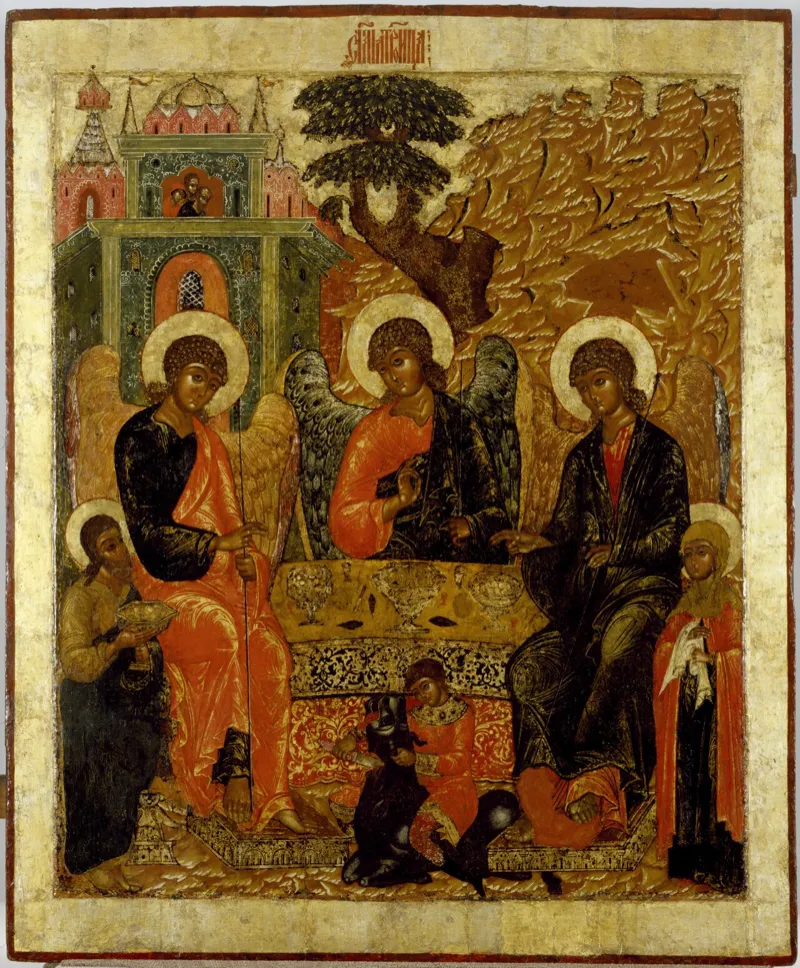
You’ve Been Invited
Someone — a friend, a neighbor, a colleague, a date — has invited you to their Jewish home. Maybe it is a Shabbat dinner. Maybe it is a holiday meal. Maybe it is just Tuesday. You are pleased, perhaps a little nervous, and wondering: what do I need to know?
The short answer: not much. Jewish hospitality (hachnasat orchim) is one of the central values of the tradition, and your hosts will almost certainly go out of their way to make you feel welcome. But a little preparation never hurts. Here is what will help you relax, enjoy, and be the guest everyone wants to invite back.
What to Bring
The Safe Bets
-
Wine: Kosher wine is the gold standard gift. Look for a kosher symbol (a small “K” or “U” with a circle, or the word “kosher”) on the label. Kosher wine is widely available at wine shops and supermarkets. If you cannot find kosher wine, ask the host in advance — some families are flexible, others are strict.
-
Flowers: Always appropriate. One tip: if it is Shabbat, bring them already arranged in a container or vase. On Shabbat, observant Jews do not cut stems or arrange flowers, so a loose bunch might be difficult to deal with.
-
Dessert: If you bring something sweet, check with your host about kashrut (dietary laws). The key rule: if the meal includes meat, dessert must be dairy-free (no butter, cream, milk, or cheese). Look for desserts marked “pareve” (neutral — neither meat nor dairy) or ask a bakery for dairy-free options.
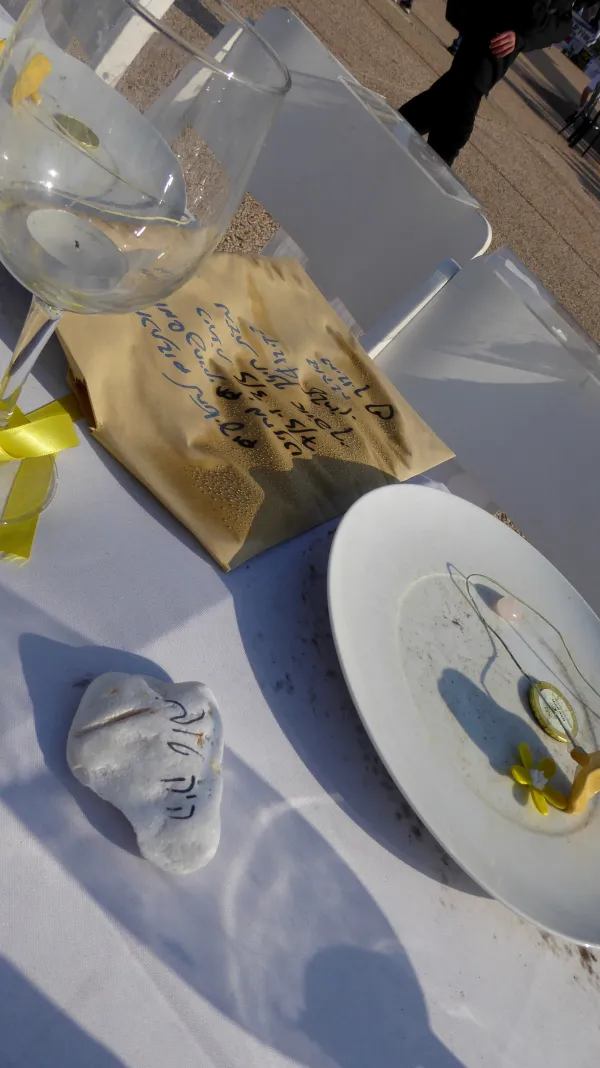
What Not to Bring
- Food without asking first, if the household keeps kosher. Even well-intentioned food gifts can cause awkwardness if they do not meet the household’s standards. When in doubt, ask.
- Anything that requires the host to do work on Shabbat (no gifts that need assembling, cooking, or plugging in).
When to Arrive
If it is a Shabbat dinner (Friday evening), timing matters:
- Shabbat begins at sunset on Friday (the exact time changes weekly and varies by location). Candles are lit approximately 18 minutes before sunset.
- Arrive shortly after candle-lighting time unless told otherwise. Your host will tell you the time — if they don’t, ask. Arriving too early means arriving during Shabbat preparations, which can be hectic. Arriving too late means missing the blessings.
- If you are driving, know that some observant families prefer that guests do not park directly in front of their home on Shabbat, since driving is not permitted on Shabbat for observant Jews. Park around the corner if you are unsure.
For other meals, arrive at the time you are told. Fashionable lateness is not a Jewish value — your host has been cooking for hours and the brisket waits for no one.
What to Wear
Dress nicely but not formally — think “dinner at someone’s home,” not “black-tie gala.” A good general rule:
- Conservative or Orthodox home: Dress modestly. For women, this typically means covering knees and shoulders. For men, long pants rather than shorts.
- Reform or secular home: Dress casually but neatly. No particular modesty requirements, but making an effort shows respect.
The Kippah Question
If you are a man and the household is observant, you will likely be offered a kippah (yarmulke / skullcap) to wear. A few things to know:
- Wearing it is a sign of respect, not a conversion. You are not committing to anything.
- The host will have extras — you do not need to bring your own.
- Put it on the crown of your head. It stays there by friction (or, in the case of smooth heads, by faith and bobby pins).
- If you are uncomfortable wearing one, say so politely. Most hosts will understand.
Women are generally not expected to cover their heads, though in some Orthodox homes married women do.
What to Expect at the Meal
Shabbat Dinner
A Shabbat dinner follows a general pattern:
-
Candle lighting (before sunset) — The woman of the house (or whoever has this honor) lights two or more candles and recites a blessing. The room goes quiet for a moment.
-
Kiddush — A blessing over wine, recited by the host. Everyone gets a sip. If you don’t drink alcohol, grape juice is standard.
-
Hand washing — Ritual hand washing before bread. Your host will show you how. There is no talking between washing and eating the bread — this is not rudeness, it is part of the ritual.
-
Hamotzi — The blessing over challah (braided bread). After the blessing, the challah is torn or cut and passed around, often with salt.
-
The meal — Multiple courses, conversation, singing, and (in many families) brief words of Torah. Eat, enjoy, and participate as much or as little as you like.
-
Birkat Hamazon — Grace after the meal. Booklets are usually provided. You can follow along in transliteration or simply listen.
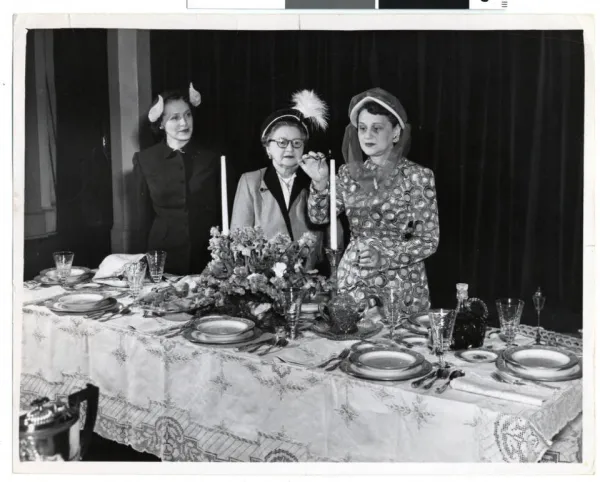
Other Meals
If you are invited for a weekday meal, a holiday celebration, or a casual dinner, the formality level varies enormously depending on the family and the occasion. When in doubt, follow your host’s lead.
Kosher Considerations
If the household keeps kosher, a few things to be aware of:
- Meat and dairy are not mixed. A meat meal will not include butter, cream, cheese, or milk in any dish. Dessert will be dairy-free (or pareve).
- The kitchen has separate sets of dishes, pots, and utensils for meat and dairy. Do not put a dairy dish on the meat counter, or vice versa.
- Don’t bring non-kosher food into the house without asking.
- Pork and shellfish are never served. If you are bringing food as a gift, avoid these.
If the family does not keep kosher, none of the above applies, and the meal will be like any other dinner party.
Conversation Tips
Jewish homes tend to value lively conversation. Some topics that work well:
- Ask about the food — where the recipes come from, what the traditions are
- Ask about the holiday or Shabbat customs if it is new to you
- Share your own traditions — the table is a place for exchange
- Compliment the host’s cooking (this is universally correct behavior)
Topics to approach with care:
- Israeli politics — unless you know your host’s views well, this can be a minefield
- “You don’t look Jewish” — this is not a compliment
- Questions about money — a persistent stereotype and never funny
The Thank You
After the meal, express your thanks — to the host, ideally in person. A follow-up text, call, or note the next day is always appreciated. If it was Shabbat, your host may not check their phone until Saturday night, so a text sent Friday night will be seen later.
If you enjoyed the experience, say so. Jewish hosts pour an enormous amount of love, energy, and food into their meals, and knowing that a guest had a good time is the greatest reward.
And if you are invited again — say yes. It only gets better.
Frequently Asked Questions
What should I bring to a Shabbat dinner?
A bottle of kosher wine is the safest and most appreciated gift (look for a kosher symbol on the label). Flowers are also a lovely option, though bring them in a vase or already arranged, as the host may not be able to arrange them on Shabbat. Kosher desserts or chocolates are great choices. If you're unsure about kashrut (dietary laws), ask the host what would be helpful — they will appreciate the thoughtfulness.
Do I have to wear a kippah?
If your hosts are observant, men may be offered a kippah (head covering) to wear during blessings or the meal. It is a sign of respect, not a declaration of faith. You are not expected to own one — the host will typically have extras. Women are not required to cover their heads in most Jewish communities. When in doubt, follow your host's lead.
What if I don't know any of the prayers or songs?
Nobody expects you to know them. Feel free to listen, hum along, or follow along in a transliterated text if one is provided. Many hosts will explain the key moments — lighting candles, blessing wine, blessing bread — and may even translate. Your presence and interest mean far more than your knowledge of Hebrew. Just enjoy the experience.
Test Your Knowledge
Think you know this topic? Try our quiz!
Take the Jewish Holidays: Advanced Quiz →Sources & Further Reading
Related Articles
Jewish Hospitality: Abraham's Open Tent and the Art of Welcoming
In Jewish tradition, welcoming guests is not just good manners — it is a sacred obligation greater than meeting God. From Abraham's tent in the desert to the Shabbat table in your apartment, hachnasat orchim shapes how Jews build community and honor strangers.
Kashrut: The Jewish Dietary Laws
More than just 'no pork' — kashrut is a comprehensive system that transforms eating into a sacred act.
Shabbat: The Weekly Day of Rest
Every week, Jewish life pauses for 25 hours of rest, reflection, and togetherness — discover the beauty of Shabbat.