Do Jews Believe in Jesus? Understanding Jewish and Christian Perspectives
One of the most common questions about Judaism: What do Jews think about Jesus? A respectful exploration of Jewish theology, Messianic expectations, and the fundamental differences between Judaism and Christianity.
The Question
It is perhaps the most frequently asked question about Judaism, posed with genuine curiosity by friends, classmates, coworkers, and neighbors: Do Jews believe in Jesus?
The short answer is: Jews recognize that Jesus was a real person who lived in first-century Judea. But Judaism does not accept the central claims that Christianity makes about him — that he was the Messiah, the Son of God, or divine. This is not a matter of hostility or disrespect. It is a fundamental theological difference that has existed since the earliest days of Christianity, and understanding it illuminates both faiths.
This article aims to explore that difference with honesty and respect, recognizing that billions of people hold these questions sacred.
Jesus: A Jewish Man in Roman Judea
One fact is often overlooked in discussions of Jesus: he was Jewish. Born into a Jewish family in Roman-occupied Judea, likely around 4 BCE, Jesus (Hebrew: Yeshua) grew up in the Galilee, studied Torah, attended synagogue, observed Shabbat, and participated in Jewish festivals including Passover. His earliest followers were Jews. The Last Supper was almost certainly a Passover seder.

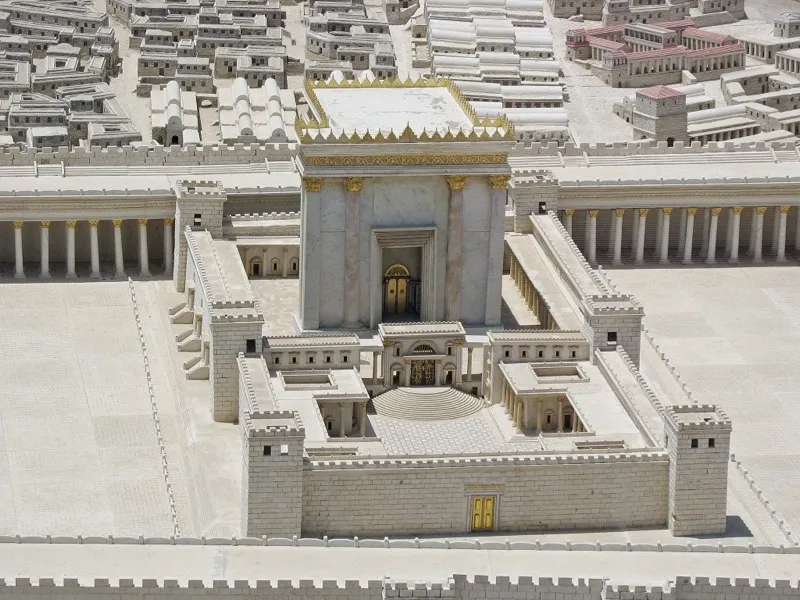
Jesus lived during a turbulent period of Jewish history. The Second Temple still stood in Jerusalem, but Judea was under Roman occupation. Various Jewish movements — Pharisees, Sadducees, Essenes, Zealots — debated how to live faithfully under foreign rule. Apocalyptic expectations ran high. Multiple figures claimed to be the Messiah or were identified as such by their followers.
Most Jewish historians view Jesus as a Jewish teacher and preacher — one of many charismatic figures in this era — who attracted a following, clashed with both Jewish and Roman authorities, and was executed by the Romans by crucifixion, a standard Roman punishment for political agitators. His movement might have faded like many others, but it did not.
Why Jews Do Not Accept Jesus as the Messiah
The core question is not whether Jesus was a good person or an important teacher. The question is whether he fulfilled the role that the Hebrew Bible assigns to the Mashiach (Messiah). Jewish tradition holds clear, specific criteria for the Messiah, based on the prophecies of Isaiah, Ezekiel, Jeremiah, and others:
-
Rebuild the Temple in Jerusalem. The Second Temple was destroyed by the Romans in 70 CE — after Jesus’s death — and has not been rebuilt. (Isaiah 2:2–3; Ezekiel 37:26–28)
-
Gather all Jews to the Land of Israel. The Jewish diaspora continued and intensified after Jesus’s time. The ingathering of exiles has not occurred. (Isaiah 43:5–6; Jeremiah 23:7–8)
-
Bring an era of world peace. The Messianic age is described as a time when “nation shall not lift up sword against nation, neither shall they learn war anymore” (Isaiah 2:4). This has manifestly not happened.
-
Establish universal knowledge of the God of Israel. The Messiah will bring all humanity to recognize the one God. (Zechariah 14:9; Isaiah 11:9)
From the Jewish perspective, these are not metaphorical or spiritual conditions that can be reinterpreted — they are concrete, observable events that either happen or do not. Since none of them occurred during or after Jesus’s lifetime, Judaism holds that the Messianic prophecies remain unfulfilled.
Christianity addresses this by introducing the concept of a Second Coming — the belief that Jesus will return to complete the Messianic mission. Judaism does not accept this framework. The Hebrew Bible describes the Messiah accomplishing everything in a single lifetime. The idea that the Messiah would come, die, and need to return is not found in Jewish theology.
Fundamental Theological Differences
Beyond the Messianic question, Judaism and Christianity differ on several core theological points:

The Nature of God
Judaism insists on absolute monotheism — God is one, indivisible, and incorporeal. The Shema, Judaism’s central declaration of faith, proclaims: “Hear, O Israel, the Lord our God, the Lord is One.” The Christian doctrine of the Trinity — God as Father, Son, and Holy Spirit — is incompatible with Jewish theology. From the Jewish perspective, attributing divinity to any human being is a form of idolatry.
Original Sin and Human Nature
Christianity teaches that humanity inherited a sinful nature from Adam and Eve’s disobedience, and that salvation from this condition requires divine grace through Jesus. Judaism does not accept the concept of original sin. Jewish theology holds that human beings are born with both a yetzer ha-tov (good inclination) and a yetzer ha-ra (evil inclination), and that individuals have the free will and capacity to choose righteousness. Atonement comes through teshuvah (repentance), prayer, and good deeds — not through the sacrifice of a divine intermediary.
Salvation and the Afterlife
In Christianity, salvation is understood primarily through faith in Jesus as Lord and Savior. In Judaism, the concept of salvation is not centered on afterlife reward but on living a righteous life in the here and now. Judaism emphasizes ethical action — following the commandments, pursuing justice, and repairing the world (tikkun olam) — rather than correct belief as the path to a right relationship with God.
The Role of Torah and Law
Christianity generally teaches that Jesus fulfilled the Mosaic Law, releasing believers from its requirements. Judaism holds that the Torah and its commandments remain eternally binding. The 613 commandments are not a burden to be freed from but a sacred framework for living in relationship with God.
Jews for Jesus: A Controversial Movement
The organization Jews for Jesus (founded 1973) and related Messianic Jewish groups present a unique challenge. These movements accept core Christian theological claims — that Jesus is the Messiah and divine savior — while maintaining Jewish cultural practices such as observing Shabbat, celebrating Jewish holidays, and using Hebrew liturgy.
All mainstream Jewish denominations — Orthodox, Conservative, and Reform — unanimously reject these movements as a form of Christianity, not Judaism. The Israeli Supreme Court has ruled that Messianic Jews do not qualify for automatic Israeli citizenship under the Law of Return, which applies to Jews and their descendants.
The Jewish objection is not to individual sincerity but to what community leaders see as deceptive framing: presenting Christian theology in Jewish cultural packaging, often with the explicit goal of converting Jews. For a people with a long history of forced conversions and missionary pressure, this is experienced as deeply disrespectful.
It is important to distinguish between Messianic Jewish movements, which actively proselytize, and sincere interfaith engagement between Judaism and Christianity, which is built on mutual respect and honest acknowledgment of differences.
Interfaith Dialogue: A Better Path
The relationship between Judaism and Christianity has a painful history — centuries of persecution, forced conversions, pogroms, and the Holocaust itself, which grew from soil fertilized by Christian antisemitism. But the modern era has also seen remarkable progress.
The Catholic Church’s Nostra Aetate declaration (1965) repudiated the charge that Jews bear collective guilt for Jesus’s death and opened a new era of Catholic-Jewish dialogue. Many Protestant denominations have issued similar statements. Today, interfaith organizations bring Jewish and Christian leaders together for study, social action, and honest theological conversation.
The most productive interfaith dialogue does not try to blur the differences between the faiths — it respects them. Jews and Christians can study together, serve their communities together, and work toward shared moral goals without pretending to agree on theology. In fact, it is the honest acknowledgment of difference that makes genuine respect possible.
Living with the Question
The question “Do Jews believe in Jesus?” is really many questions in one: questions about theology, history, identity, and the relationship between two great faith traditions that share common roots but diverge on fundamental matters.
For Jews, the answer is clear but not simple. Jesus was a Jewish man who lived and died in first-century Judea. His followers founded a new religion that became the largest in human history. Judaism respects the profound meaning Christianity holds for billions of people. But Judaism holds firm to its own understanding of God, Torah, Messiah, and the human path to righteousness — an understanding that long predates Christianity and that stands on its own terms.
The best response to this question is neither defensive nor dismissive. It is honest: We see the world differently, and that is all right. Understanding our differences does not diminish either tradition — it deepens our respect for both.
Frequently Asked Questions
Do Jews believe Jesus existed?
Most Jewish scholars accept that Jesus was a real historical figure — a Jewish preacher and teacher who lived in Roman-era Judea in the first century CE. What Jews do not accept is the Christian claim that he was the Messiah, the Son of God, or divine.
Why don't Jews accept Jesus as the Messiah?
Judaism has specific criteria for the Messiah based on Hebrew Bible prophecies: the Messiah must rebuild the Temple in Jerusalem, gather all Jews to Israel, bring world peace, and establish universal knowledge of God. Since none of these events occurred during or after Jesus's lifetime, Judaism holds that the Messianic prophecies remain unfulfilled.
What is the Jewish view of 'Jews for Jesus'?
Mainstream Jewish denominations — Orthodox, Conservative, and Reform — unanimously reject 'Jews for Jesus' and similar Messianic Jewish movements. These groups accept core Christian theological claims (Jesus as Messiah and divine savior) while maintaining Jewish cultural practices. Jewish authorities consider this a form of Christianity, not Judaism.
Sources & Further Reading
Related Articles
Jewish Views on God: Monotheism, Names, and the Mystery Beyond Understanding
Judaism's God is one, incorporeal, and ultimately beyond human comprehension — yet intimately concerned with every human life. From the ineffable Name to the 13 Attributes of Mercy, Jewish theology holds mystery and relationship in constant tension.
The Messiah in Judaism: Anointed King, Not Divine Savior
The Jewish Messiah is a human king from the line of David who will bring peace, rebuild the Temple, and gather the exiles — not a divine being who saves souls. The concept has inspired hope, spawned false claimants, and evolved across denominations.
What Do Jews Believe? Core Beliefs, Values, and the Spirit of Debate
Jewish belief centers on one God, Torah, ethical action, and humanity's role in repairing the world — but within that framework, debate and diversity of opinion are not just tolerated but sacred.