Jewish Lullabies and Children's Songs: Music for the Next Generation
From the tender Yiddish 'Rozhinkes mit Mandlen' to Hebrew nursery rhymes — Jewish lullabies carry centuries of love, longing, and hope for the next generation.
A Voice in the Dark
There is a sound that has echoed through Jewish homes for centuries — not a prayer, not a hymn, not a song of celebration, but something quieter and more intimate. A mother’s voice in a darkened room. A grandmother humming in a language the child does not understand but somehow feels. A melody so soft it blurs the line between singing and breathing.
Jewish lullabies are among the most tender artifacts of Jewish culture. They carry within them the love of parents for their children, the longing of exiles for a home, the sweetness of dreams offered as a shield against the world. Some are in Yiddish, some in Hebrew, some in Ladino. All of them say the same thing: Sleep, my child. You are safe. You are loved. Tomorrow will come, and I will still be here.
Rozhinkes mit Mandlen — Raisins and Almonds
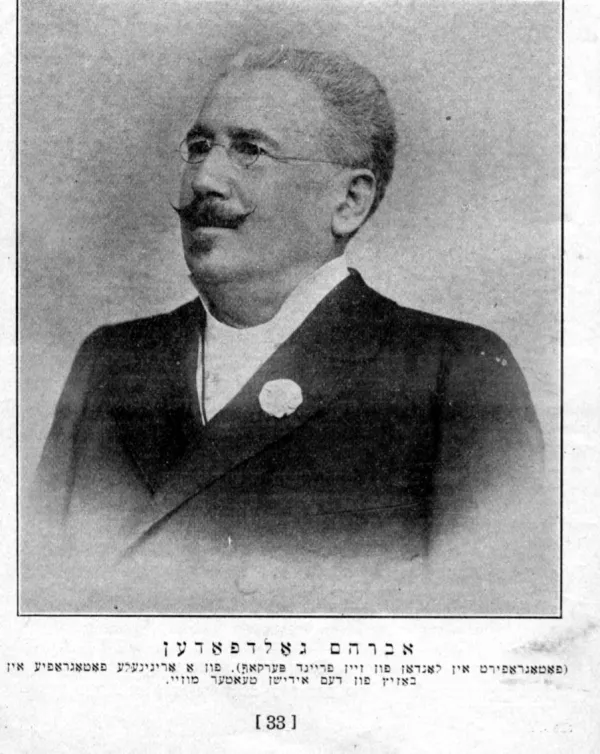
If the Jewish world has one lullaby that stands above all others, it is Rozhinkes mit Mandlen (“Raisins and Almonds”). Written in Yiddish by Abraham Goldfaden in the 1880s for his operetta Shulamith, it quickly escaped the theater and entered the homes of millions. Within a generation, it was being sung in every Yiddish-speaking community in the world, often by people who had never heard of the operetta or its author.
The Lyrics
The song tells of a white goat (a tsigele) that goes to market to sell raisins and almonds — sweet things, precious things, a promise of abundance and comfort. Beneath the child’s cradle (vigele), the goat will bring these treasures. The child will grow up to study Torah, to become wise, to live a good life.
The Yiddish text begins:
Unter dem kinds vigele Shteyt a klor-vays tsigele. Dos tsigele iz geforn handlen, Dos vet zayn dayn baruf: Rozhinkes mit mandlen.
(Under the child’s cradle / Stands a pure white little goat. / The little goat went off to trade — / That will be your calling: / Raisins and almonds.)
Why It Endures
What makes “Rozhinkes mit Mandlen” so powerful is not its literary complexity — the lyrics are simple, almost naive. It is the melody: a slow, gently swaying tune in a minor key that sounds like the very definition of tenderness. The minor tonality gives it a wistfulness that separates it from the cheerful major-key lullabies of other traditions. There is love in this melody, but also a shadow — an acknowledgment that the world the child will enter is not always sweet, even as the parent promises sweetness.
Goldfaden understood something that every Jewish parent has known instinctively: a lullaby is not just a song to make a child sleep. It is a prayer, a blessing, and a promise all woven into melody.
Other Yiddish Lullabies
Shlof Mayn Kind (Sleep My Child)
“Shlof Mayn Kind” is a lullaby from the immigrant experience. Written by Sholem Aleichem (the great Yiddish author, best known for the Tevye stories that inspired Fiddler on the Roof), it tells of a mother singing to her child while the father is far away in America, working to bring the family across the ocean.
The lyrics are heartbreaking in their specificity: the father has gone to the goldene medine (golden land), the mother is alone, the child must sleep and not cry. It captures a reality lived by hundreds of thousands of Jewish families during the great migration of 1880–1924 — the ache of separation, the hope of reunion, and the lullaby as the thread that holds it all together.
Unter Beymer (Under the Trees)
A gentler, more pastoral Yiddish lullaby, “Unter Beymer” evokes a peaceful scene — trees, a breeze, a child drifting off to sleep in nature. It reflects the idealized shtetl childhood that existed more in memory and longing than in reality, but that is what lullabies do: they create a world of safety, even when — especially when — the real world is anything but safe.
Yankele
“Yankele” by Mordkhe Gebirtig is a tender song addressed to a little boy. The singer tells Yankele to close his eyes, promises him good things, and gently coaxes him toward sleep. Gebirtig, a carpenter and self-taught songwriter from Krakow, wrote songs that became folk classics. He was murdered in the Krakow ghetto in 1942. His songs survive.
Hebrew Lullabies
When Hebrew was revived as a spoken language in the late 19th and early 20th centuries, a new tradition of Hebrew lullabies emerged alongside the ancient Yiddish ones.
Numi Numi (Sleep, Sleep)
“Numi Numi” is the Hebrew lullaby that most Israeli children grow up hearing. Composed by Yedidia Admon (born Gorochov) in the 1930s in pre-state Palestine, it is exquisitely simple: just the words “Numi, numi, yaldati” (“Sleep, sleep, my little girl”) repeated over a tender, rocking melody.
The song was written during the early years of the Yishuv (the Jewish community in Palestine before statehood), when pioneers were building a new society and a new language from scratch. “Numi Numi” was part of that project — a lullaby in Hebrew, for a generation of children who would grow up speaking Hebrew as their mother tongue for the first time in two thousand years.
Laila Laila (Night, Night)
“Laila Laila” by the prolific Israeli songwriter Ehud Manor (with music by Nurit Hirsh) is a more modern Hebrew lullaby that became a classic. Its gentle melody and simple lyrics about nighttime, stars, and sleep have made it a bedtime staple in Israeli homes since the 1970s.
Shabbat Songs as Lullabies
Many Jewish families discover that Shabbat songs make the best lullabies. There is something about the peaceful melodies of Friday night — songs written to welcome rest and holiness — that translates perfectly to bedtime.
“Shalom Aleichem” (Peace Upon You), sung at the Friday night table to welcome the Sabbath angels, is particularly beloved as a lullaby. Its slow, swaying melody and the repetition of shalom (peace) create exactly the atmosphere a child needs to drift off.
The Birkat Habanim (Blessing of the Children), in which parents place their hands on their children’s heads and bless them on Friday night, often becomes a kind of sung prayer at bedtime — not a lullaby in the formal sense, but a moment of melody and touch that says everything a lullaby says: You are blessed. You are loved. Sleep in peace.
Ladino Lullabies
Durme Durme (Sleep, Sleep)
The Sephardic tradition has its own lullabies, and the most famous is “Durme Durme” — “Sleep, Sleep” in Ladino (Judeo-Spanish). Unlike the wistful minor-key Yiddish lullabies, “Durme Durme” has a warm, Mediterranean quality — a rolling, gentle melody that evokes the Sephardic world of Spain, Turkey, and the Balkans.
The lyrics are a direct address to the child: “Durme, durme, hermozo hijiko” (“Sleep, sleep, beautiful little child”). The language itself — Spanish filtered through five centuries of Jewish exile — carries its own lullaby-like quality: soft consonants, open vowels, a rhythm that rocks.
Nani Nani
Another Ladino lullaby, “Nani Nani,” uses the repeated sound nani (a Ladino baby-talk word for sleep, possibly related to the Spanish nana) to create a hypnotic, repetitive melody. Sephardic lullabies tend to be less narrative than Yiddish ones — fewer goats and raisins, more pure sound and soothing repetition.
The Power of Lullabies
Why do lullabies matter so much in Jewish culture? Because they are the first way a child encounters their heritage. Before a child can read, before they can pray, before they understand a word of the Torah, they hear a melody. And that melody — whether in Yiddish, Hebrew, Ladino, or any other Jewish language — carries within it something that cannot be transmitted any other way.
A lullaby teaches a child the sound of their language. It teaches them the emotional register of their culture — the particular mix of tenderness and melancholy, joy and longing, that characterizes Jewish musical expression. It teaches them that they belong to a chain of voices stretching back through generations.
During the darkest periods of Jewish history — pogroms, expulsions, the Holocaust — lullabies survived when almost everything else was destroyed. A mother in hiding could not light Shabbat candles. She could not go to synagogue. She could not teach her child from a book. But she could sing. And so the melodies lived on, carried in the voices of survivors to new countries, new languages, new homes.
Modern Jewish Children’s Music
Today, Jewish children’s music is a thriving field. Artists like Debbie Friedman (whose liturgical music for children became standard in Reform synagogues), Craig Taubman, and Rick Recht have created contemporary Jewish children’s songs that combine catchy melodies with Jewish content. Israeli children’s music, from the beloved Uzi Hitman songs to modern YouTube creators, is its own rich world.
But the old lullabies persist. In an age of streaming playlists and digital nurseries, parents still find themselves humming “Rozhinkes mit Mandlen” or “Numi Numi” in the dark, not because they planned to, but because the melody rose up from somewhere deep — from their own childhood, from their parents’ childhood, from a chain of voices that refuses to be broken.
That is the ultimate power of a lullaby: it connects the sleeping child to everyone who was ever sung to sleep before them. And in the Jewish tradition, that is a very long, very beautiful chain.
Frequently Asked Questions
What is the most famous Jewish lullaby?
Rozhinkes mit Mandlen ('Raisins and Almonds') is the most beloved Jewish lullaby. Written in Yiddish by Abraham Goldfaden in the 1880s for his operetta Shulamith, it tells of a white goat selling raisins and almonds — a dream of sweetness and prosperity for the sleeping child.
Are there Hebrew lullabies?
Yes. Popular Hebrew lullabies include 'Numi Numi' (Sleep, Sleep), composed by Yedidia Admon in the 1930s, and 'Laila Laila' (Night, Night) by Ehud Manor. Many Israeli children also grow up with Hebrew versions of traditional Yiddish lullabies.
What is a Shabbat lullaby?
Many Jewish families sing to their children on Shabbat evening. Traditional choices include 'Shalom Aleichem' (Peace Upon You), the Friday night hymn welcoming angels, and personal blessings sung over children. The melody of 'Lecha Dodi' is also sometimes adapted as a gentle bedtime song.
Key Terms
Sources & Further Reading
Related Articles
Hebrew: The Language of the Torah and Israel
From an ancient sacred tongue to a modern spoken language — the remarkable story of Hebrew's revival.
Klezmer: The Soul Music of Eastern European Jews
From shtetl weddings to world stages — klezmer is the joyful, weeping, irresistible music of the Jewish soul.
Yiddish: The Language of the Ashkenazi Heart
A thousand years of humor, wisdom, and survival — Yiddish is far more than a language, it's a worldview.