Jewish Clothing: The Complete Guide
From the kippah to the tallit, from Hasidic garb to modern modest fashion — this guide covers every aspect of Jewish clothing and its meaning.
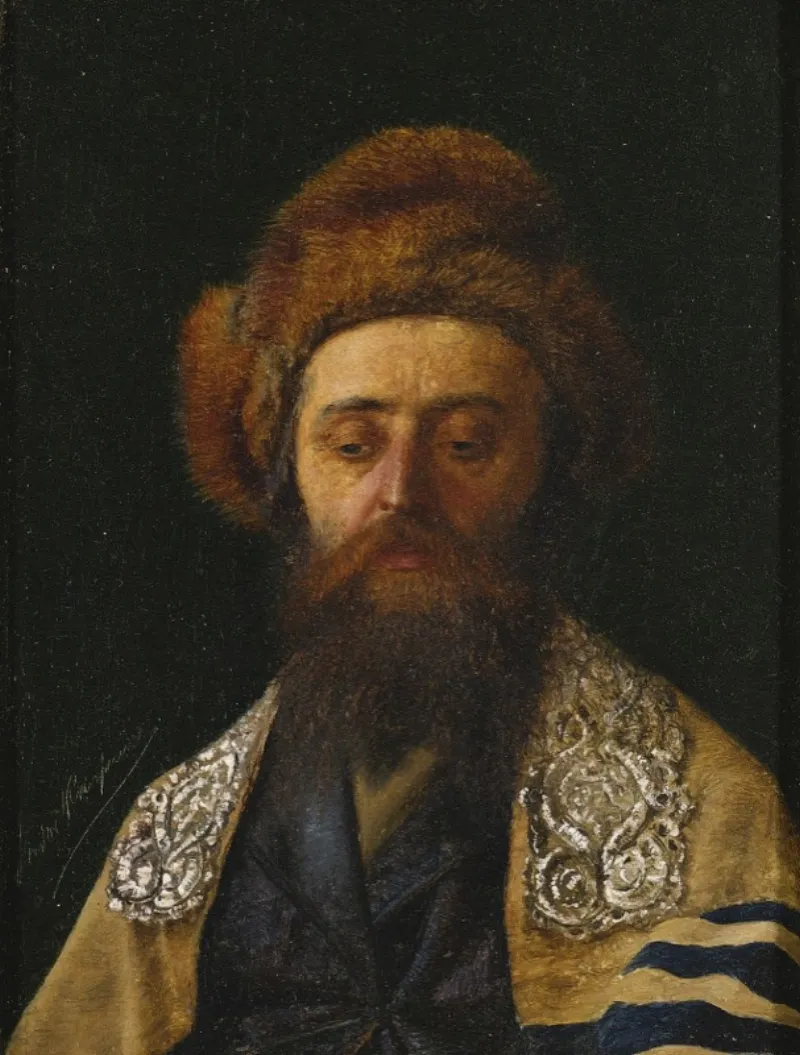
Dressed in Meaning
Jewish clothing is never just clothing. Every garment carries meaning — theological, historical, communal. This guide links all our coverage of Jewish dress.
Prayer Garments
- Kippah (yarmulke) — the head covering
- Why yarmulkes? — the reasons explained
- Tallit — the prayer shawl
- How to wear a tallit
- Tzitzit — the fringes
- Tefillin — the phylacteries
Modesty and Covering
- Tzniut (modesty) — the laws and philosophy
- Women’s head coverings
- Why women cover hair
- Why peyot (sidelocks)?
- What to wear to synagogue
Hasidic Dress
- Hasidic clothing — the complete guide
- Gur Hasidism
- Breslov Hasidism
- Satmar Hasidism
- Chabad movement
Cultural Context
From the simple kippah to the elaborate Hasidic ensemble, Jewish clothing tells a story of faith, identity, and the choice to wear one’s values on the outside.
Frequently Asked Questions
Why do Jewish men wear kippot?
The kippah (yarmulke) is worn as a sign of reverence for God. It serves as a constant reminder that God is above, fostering humility and awareness of the divine. While not explicitly commanded in the Torah, it became a widespread custom and is now considered obligatory in Orthodox communities.
What is a tallit?
A tallit is a Jewish prayer shawl with fringes (tzitzit) on its four corners, fulfilling the commandment in Numbers 15:38-40. It is traditionally worn during morning prayers. The tallit serves as a spiritual covering, creating a personal sacred space during worship.
Why do Hasidic Jews dress distinctively?
Hasidic dress preserves the clothing styles of 18th-century Eastern European nobility, reflecting the communities' origins. Different Hasidic groups have specific dress codes — from the type of hat to the style of coat — that identify their affiliation and maintain group identity and separation from secular culture.
Test Your Knowledge
Think you know this topic? Try our quiz!
Take the Jewish Clothing & Symbols Quiz →Sources & Further Reading
Related Articles
Hasidic Dress: Tradition in Every Thread
The distinctive black and white attire of Hasidic Jews carries centuries of meaning — each garment tells a story of piety, community, and identity.
The Kippah: Covering the Head Before God
The small cap worn by Jewish men is one of the most recognizable symbols of Judaism — but its meaning runs deeper than you might think.
The Tallit: The Jewish Prayer Shawl
Wrapped in fringes and meaning — the tallit is both a garment of prayer and a symbol of divine commandments.