Torah Study: The Complete Guide to Jewish Learning
Torah study is Judaism's central intellectual and spiritual practice. This comprehensive guide covers every text, method, and tradition of Jewish learning.
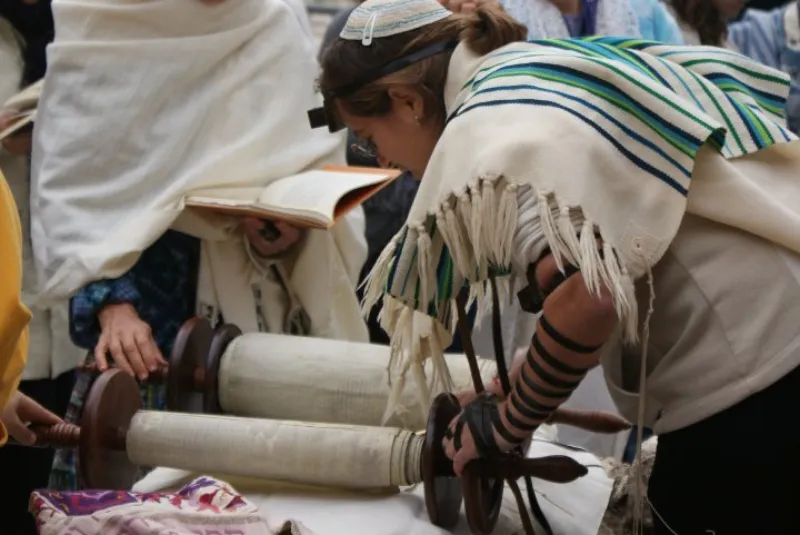
The People of the Book
Jews have been called “the People of the Book” — but the truth is more complex. Jews are the people of many books, and the tradition of studying them is Judaism’s most distinctive practice.
The Written Torah
- Torah overview — the Five Books of Moses
- What is the Torah about?
- Genesis
- Exodus
- Leviticus
- Numbers
- Deuteronomy
- Torah vs. Bible
The Full Hebrew Bible (Tanakh)
- Tanakh overview
- Prophets — Isaiah, Jeremiah, Ezekiel, and more
- Psalms, Proverbs, Ecclesiastes
- Song of Songs, Book of Ruth
- Book of Esther, Book of Daniel
- Book of Job, Lamentations
The Oral Torah
- Mishnah — the first code of oral law
- The Six Orders of the Mishnah
- Pirkei Avot — Ethics of the Fathers
- Mishnah Avot sayings
- Talmud — the sea of learning
- Individual tractates: Berakhot, Shabbat, Pesachim, Yoma, Bava Metzia, Sanhedrin
- Talmud stories
- Midrash
Commentators
- Rashi — the essential commentator
- Maimonides and his principles
- Nachmanides
- Jewish commentators guide
- Joseph Karo — author of the Shulchan Aruch
- Shulchan Aruch
Weekly Torah Portions
All 54 parashiot are covered individually. Start with:
- Parashat Bereishit — In the Beginning
- Torah portions overview
- How to write a d’var Torah
Jewish Mysticism
Study Methods and Practices
- Halakha — Jewish law
- Responsa — rabbinic rulings
- The Jewish bookshelf — essential reading
Torah study is not merely an intellectual exercise — it is, in Judaism, the highest form of worship. “Talmud Torah k’neged kulam” — the study of Torah is equal to all other commandments combined.
Frequently Asked Questions
What texts do Jews study?
The core texts include: the Torah (Five Books of Moses), the Tanakh (full Hebrew Bible), the Mishnah (oral law), the Talmud (Mishnah plus commentary), Midrash (biblical interpretation), and centuries of commentary from scholars like Rashi, Maimonides, and Nachmanides. Study of these texts is considered a lifelong religious obligation.
What is the difference between Torah, Talmud, and Tanakh?
Torah refers to the Five Books of Moses (Genesis through Deuteronomy). Tanakh is the full Hebrew Bible — Torah plus Prophets (Nevi'im) and Writings (Ketuvim). The Talmud is a vast compilation of rabbinic discussion and law based on the Mishnah (oral law), composed over several centuries in two versions: the Babylonian and Jerusalem Talmuds.
How are the Torah portions organized?
The Torah is divided into 54 portions (parashiot), one read each Shabbat in synagogue. The cycle begins and ends on Simchat Torah, so the entire Torah is read publicly every year. Each portion has a specific name taken from its opening Hebrew words.
Sources & Further Reading
Related Articles
The Mishnah: How the Oral Law Was Written Down
Around 200 CE, Rabbi Judah HaNasi did something revolutionary: he wrote down the Oral Torah. The result — the Mishnah — became the foundation of the Talmud and all subsequent Jewish law.
The Talmud: A Beginner's Guide to Jewish Oral Law
The Talmud is the vast ocean of Jewish thought — centuries of rabbinic debate on law, ethics, storytelling, and the meaning of life, all compiled into one extraordinary work.
The Torah: The Heart of Judaism
The Torah is more than a book — it is the living constitution of Jewish life, studied and debated for over three millennia.