Jewish Languages: The Complete Guide
Jews have spoken dozens of languages across the diaspora — from Hebrew and Aramaic to Yiddish, Ladino, Judeo-Arabic, and beyond. This guide links all language-related content.
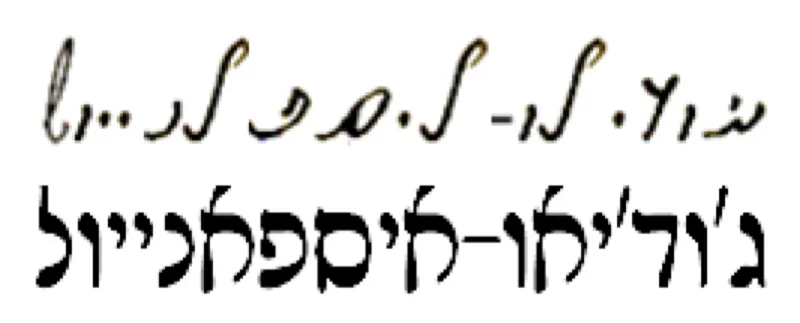
The Tongues of a Wandering People
Wherever Jews have lived, they have created languages — blending local speech with Hebrew and Aramaic to produce distinctive Jewish tongues. This guide connects all our language content.
The Sacred Languages
- Hebrew — the holy tongue, language of Torah and modern Israel
- The Hebrew alphabet — learning the aleph-bet
- Hebrew phrases — essential expressions
- Hebrew for travelers — visiting Israel
- Hebrew slang — modern Israeli slang
- How to read Hebrew
- Modern vs. biblical Hebrew
- Hebrew numbers — counting in Hebrew
- Aramaic — the language of the Talmud
Diaspora Languages
- Yiddish — the language of Ashkenazi Jewry
- Yiddish proverbs — wisdom and humor
- Yiddish-English words — words that crossed over
- Hebrew vs. Yiddish — understanding the difference
- Ladino — Judeo-Spanish, language of the Sephardim
- Judeo-Arabic — the language of Mizrahi scholars
Language and Identity
- Jewish views on language — what Judaism says about words
- Oy vey meaning — the most famous Yiddish expression
- L’chaim meaning — to life!
- Mazel tov meaning — good luck or good fortune?
- Shalom meaning — more than just hello
Language has been both a marker of Jewish identity and a bridge to surrounding cultures. Every Jewish language tells the story of a community — its origins, its neighbors, its values, and its dreams.
Frequently Asked Questions
How many Jewish languages are there?
Jews have developed over 30 distinct languages and dialects throughout history, including Hebrew, Yiddish, Ladino (Judeo-Spanish), Judeo-Arabic, Judeo-Persian, Judeo-Italian, and many others. Each emerged from Jewish communities adapting local languages while incorporating Hebrew and Aramaic elements.
What is the difference between Hebrew and Yiddish?
Hebrew is a Semitic language — the language of the Torah and modern Israel. Yiddish is a Germanic language written in Hebrew script, developed by Ashkenazi Jews in medieval Europe. They share the Hebrew alphabet but are otherwise completely different languages.
Is Ladino still spoken?
Ladino (Judeo-Spanish) is critically endangered but still spoken by small communities, primarily elderly Sephardic Jews in Turkey, Israel, and scattered communities worldwide. Efforts to preserve and revitalize the language are ongoing through academic programs and cultural organizations.
Sources & Further Reading
Related Articles
Hebrew: The Language of the Torah and Israel
From an ancient sacred tongue to a modern spoken language — the remarkable story of Hebrew's revival.
Ladino: The Romance Language of the Sephardic Jews
Born in medieval Spain and carried across the Mediterranean, Ladino is a living testament to the resilience and beauty of Sephardic culture.
Yiddish: The Language of the Ashkenazi Heart
A thousand years of humor, wisdom, and survival — Yiddish is far more than a language, it's a worldview.