Hebrew Numbers and Counting: A Complete Guide
Learn to count in Hebrew from 1 to 1000, understand ordinal numbers, discover gematria basics, and know how to say your age, prices, and dates in Hebrew.
Counting in the Holy Language
Hebrew has a rich and fascinating number system that goes far beyond simple counting. From the everyday act of buying groceries in Tel Aviv to the mystical practice of gematria, numbers in Hebrew carry meaning, history, and even spiritual significance.
Cardinal Numbers 1-10
Hebrew numbers have masculine and feminine forms, depending on the noun they’re counting. Here are both forms:
| Number | Masculine | Feminine | Transliteration (m/f) |
|---|---|---|---|
| 1 | אֶחָד | אַחַת | echad / achat |
| 2 | שְׁנַיִם | שְׁתַּיִם | shnayim / shtayim |
| 3 | שְׁלֹשָׁה | שָׁלֹשׁ | shlosha / shalosh |
| 4 | אַרְבָּעָה | אַרְבַּע | arba’ah / arba |
| 5 | חֲמִשָּׁה | חָמֵשׁ | chamisha / chamesh |
| 6 | שִׁשָּׁה | שֵׁשׁ | shisha / shesh |
| 7 | שִׁבְעָה | שֶׁבַע | shiv’ah / sheva |
| 8 | שְׁמוֹנָה | שְׁמוֹנֶה | shmonah / shmoneh |
| 9 | תִּשְׁעָה | תֵּשַׁע | tish’ah / tesha |
| 10 | עֲשָׂרָה | עֶשֶׂר | asarah / eser |
Important note: In modern spoken Hebrew, the gender rules are often simplified. Don’t worry too much about getting them perfect — Israelis will understand you either way.
Numbers 11-20
| Number | Hebrew | Transliteration |
|---|---|---|
| 11 | אַחַת עֶשְׂרֵה | achat esreh |
| 12 | שְׁתֵּים עֶשְׂרֵה | shtem esreh |
| 13 | שְׁלֹשׁ עֶשְׂרֵה | shlosh esreh |
| 14 | אַרְבַּע עֶשְׂרֵה | arba esreh |
| 15 | חֲמֵשׁ עֶשְׂרֵה | chamesh esreh |
| 16 | שֵׁשׁ עֶשְׂרֵה | shesh esreh |
| 17 | שְׁבַע עֶשְׂרֵה | shva esreh |
| 18 | שְׁמוֹנֶה עֶשְׂרֵה | shmoneh esreh |
| 19 | תְּשַׁע עֶשְׂרֵה | tsha esreh |
| 20 | עֶשְׂרִים | esrim |
Tens, Hundreds, Thousands
| Number | Hebrew | Transliteration |
|---|---|---|
| 20 | עֶשְׂרִים | esrim |
| 30 | שְׁלֹשִׁים | shloshim |
| 40 | אַרְבָּעִים | arba’im |
| 50 | חֲמִשִּׁים | chamishim |
| 60 | שִׁשִּׁים | shishim |
| 70 | שִׁבְעִים | shiv’im |
| 80 | שְׁמוֹנִים | shmonim |
| 90 | תִּשְׁעִים | tish’im |
| 100 | מֵאָה | me’ah |
| 200 | מָאתַיִם | matayim |
| 300 | שְׁלֹשׁ מֵאוֹת | shlosh me’ot |
| 1,000 | אֶלֶף | elef |
To form combined numbers: 25 = esrim v’chamesh (twenty and five). 142 = me’ah arba’im u’shtayim.
Ordinal Numbers
| Ordinal | Masculine | Feminine |
|---|---|---|
| First | רִאשׁוֹן rishon | רִאשׁוֹנָה rishonah |
| Second | שֵׁנִי sheni | שְׁנִיָּה shniyah |
| Third | שְׁלִישִׁי shlishi | שְׁלִישִׁית shlishit |
| Fourth | רְבִיעִי revi’i | רְבִיעִית revi’it |
| Fifth | חֲמִישִׁי chamishi | חֲמִישִׁית chamishit |
Gematria: When Numbers Mean More
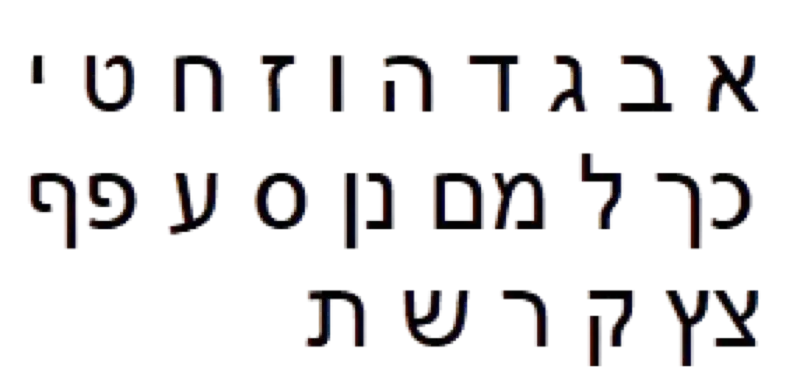
In the Hebrew letter-number system, each letter has a numerical value:
| Letter | Value | Letter | Value | Letter | Value |
|---|---|---|---|---|---|
| א (Aleph) | 1 | י (Yod) | 10 | ק (Kuf) | 100 |
| ב (Bet) | 2 | כ (Kaf) | 20 | ר (Resh) | 200 |
| ג (Gimel) | 3 | ל (Lamed) | 30 | ש (Shin) | 300 |
| ד (Dalet) | 4 | מ (Mem) | 40 | ת (Tav) | 400 |
| ה (He) | 5 | נ (Nun) | 50 | ||
| ו (Vav) | 6 | ס (Samech) | 60 | ||
| ז (Zayin) | 7 | ע (Ayin) | 70 | ||
| ח (Chet) | 8 | פ (Pe) | 80 | ||
| ט (Tet) | 9 | צ (Tsade) | 90 |
Famous Gematria Values
- חי (Chai / Life) = 8 + 10 = 18 — This is why gifts are given in multiples of 18
- אמת (Emet / Truth) = 1 + 40 + 400 = 441
- שלום (Shalom / Peace) = 300 + 30 + 6 + 40 = 376
Practical Uses
Saying Your Age
“I am 25 years old” = Ani ben esrim v’chamesh (male) / Ani bat esrim v’chamesh (female)
Prices in Israel
“How much does this cost?” = Kama zeh oleh? “50 shekels” = chamishim shekel
Hebrew Dates
Hebrew dates use the letter-number system. The year 5786 (2025-2026) is written: ה’תשפ”ו
Phone Numbers
Israelis say phone numbers digit by digit: 054-123-4567 = efes chamesh arba, echad shtayim shalosh, arba chamesh shesh sheva
Special Numbers in Judaism
- 1 — God is One (Shema)
- 7 — days of creation, Shabbat, shiva (mourning)
- 10 — Ten Commandments, minyan
- 12 — Twelve Tribes
- 13 — age of bar mitzvah, attributes of God’s mercy
- 18 — chai (life), gift amounts
- 40 — days of the Flood, years in the desert, days on Sinai
- 120 — Moses’s age at death, the traditional blessing for long life
- 613 — number of commandments in the Torah
Numbers in Hebrew are more than math — they are the language of creation, the code of tradition, and the building blocks of a four-thousand-year civilization.
Frequently Asked Questions
Does Hebrew have its own number system?
Hebrew uses two number systems. In everyday modern Hebrew, standard Arabic numerals (1, 2, 3...) are used. But Hebrew also has a letter-based number system where each letter of the alphabet represents a numerical value (aleph=1, bet=2, etc.). This letter-based system is used for Hebrew dates, Torah chapter/verse numbers, and gematria.
What is gematria?
Gematria is the practice of assigning numerical values to Hebrew letters and finding connections between words that share the same total value. For example, 'chai' (life, חי) equals 18 (chet=8 + yod=10), which is why 18 is considered a lucky number and gifts are often given in multiples of 18.
Why is the number 18 special in Judaism?
The Hebrew word 'chai' (חי), meaning 'life,' has a gematria value of 18. Because of this association with life, Jews traditionally give monetary gifts in multiples of 18 ($18, $36, $54, $180, etc.) for celebrations like bar mitzvahs, weddings, and charitable donations.
Sources & Further Reading
Related Articles
Hebrew: The Language of the Torah and Israel
From an ancient sacred tongue to a modern spoken language — the remarkable story of Hebrew's revival.
The Hebrew Alphabet: A Complete Guide to Aleph-Bet
22 letters, written right to left, each with its own character and history — the Hebrew alphabet is the script of the Torah, modern Israel, and 3,000 years of Jewish civilization.
Common Hebrew Words and Phrases Everyone Should Know
Whether you are visiting Israel, attending a synagogue, or just curious, these essential Hebrew words and phrases — from Shalom to Yalla — will open doors and earn smiles.