The Maccabees and the Hasmonean Era
The dramatic story of the Maccabean revolt against Greek oppression — from Mattathias's defiance to Judah Maccabee's victories, the Temple rededication, and the rise and fall of the Hasmonean dynasty.
A Revolt That Changed History
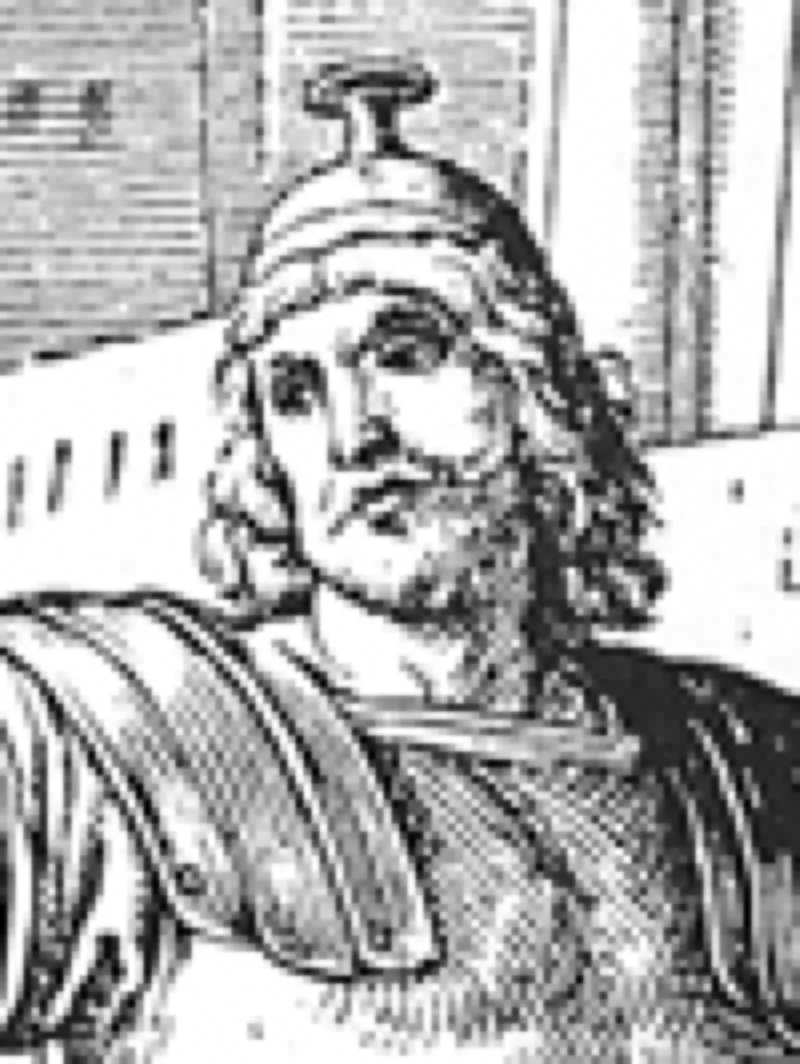
In the winter of 167 BCE, in the small Judean village of Modi’in, an elderly priest named Mattathias did something that would alter the course of Jewish history. A Seleucid officer had come to enforce the king’s decree: Jews must sacrifice to Greek gods or die. When a fellow Jew stepped forward to comply, Mattathias killed him — and the officer too. Then he and his five sons fled to the hills.
It was an act of desperation, not strategy. The Seleucid Empire controlled the entire eastern Mediterranean. Its armies were professional, well-equipped, and battle-hardened. Mattathias’s family were priests, not soldiers. They had no military training, no weapons to speak of, and no realistic chance of success.
They succeeded anyway. The story of the Maccabees is one of the most remarkable episodes in ancient Jewish history — a story of religious courage, guerrilla warfare, miraculous victory, and the complicated aftermath of power.
The Greek Shadow
To understand the Maccabean revolt, you need to understand what Greek culture meant in the ancient world. After Alexander the Great conquered the Persian Empire in the 330s BCE, Greek language, philosophy, art, and religion spread across the Middle East. This process — Hellenization — was not always forced. Greek culture was genuinely attractive. Greek gymnasiums, theaters, and philosophical schools offered a cosmopolitan lifestyle that many people, including many Jews, found appealing.
When Alexander’s empire fractured after his death, Judea eventually came under the control of the Seleucid Empire, based in Syria. For a time, Jewish life continued relatively undisturbed. Some Jews embraced Hellenistic culture while maintaining their Jewish identity. Others resisted any accommodation with Greek ways.
The crisis came in 175 BCE when Antiochus IV Epiphanes took the Seleucid throne. Antiochus was ambitious, erratic, and determined to unify his diverse empire under Greek culture and religion. He took the title “Epiphanes” — “God Manifest” — which gives you some idea of his self-regard. (His detractors called him “Epimanes” — “the madman.”)
The Decrees
In 167 BCE, Antiochus issued decrees that struck at the heart of Jewish life:
- The Temple in Jerusalem was rededicated to Zeus. A pig was sacrificed on the altar — the ultimate desecration.
- Torah scrolls were burned.
- Observance of Shabbat, circumcision, and kashrut was punishable by death.
- Jewish worship was outlawed.
These were not merely political regulations. They were an attempt to erase Judaism itself. Women who circumcised their sons were executed with their babies hung around their necks. Scholars who refused to eat pork were tortured and killed. The Books of Maccabees record these martyrdoms in harrowing detail.
Some Jews complied. Some went underground. And some fought back.
Judah the Hammer
Mattathias died within a year of the revolt’s beginning, but his son Judah took command and transformed a family rebellion into a national uprising. Judah earned the nickname “Maccabee” — most likely from the Hebrew word for “hammer,” though some traditions interpret it as an acronym for “Mi Kamocha Ba’elim Adonai” (“Who is like You among the powers, O Lord”).
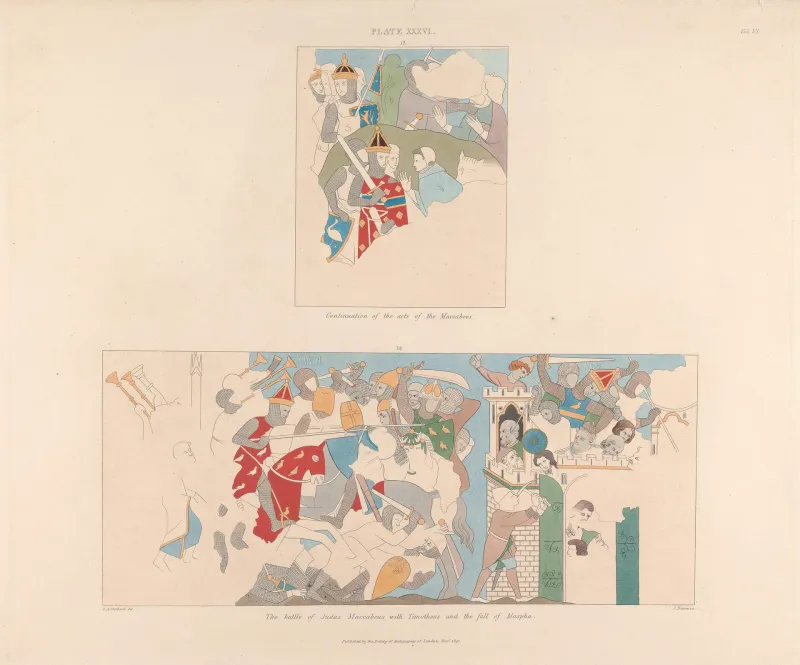
Judah was a military genius. Outnumbered and outgunned, he used the Judean hills to his advantage, launching surprise attacks, exploiting narrow passes, and refusing to fight on open ground where Seleucid cavalry and war elephants would have crushed his forces. In a series of stunning victories — at Beth Horon, Emmaus, and Beth Zur — Judah defeated armies many times his size.
The Seleucids kept sending larger forces. Judah kept winning. His tactics were studied by military historians for centuries afterward. But Judah understood that he was fighting not just a military campaign but a spiritual one. He maintained strict religious discipline among his fighters and refused to fight on Shabbat — a policy that initially cost Jewish lives until pragmatic adjustments were made.
The Temple Rededication
In 164 BCE, Judah and his forces recaptured Jerusalem and the Temple. What they found was devastating: the sacred space had been defiled, its vessels scattered, its altar desecrated. The Maccabees cleansed the Temple, built a new altar, and rededicated it. The celebration lasted eight days.
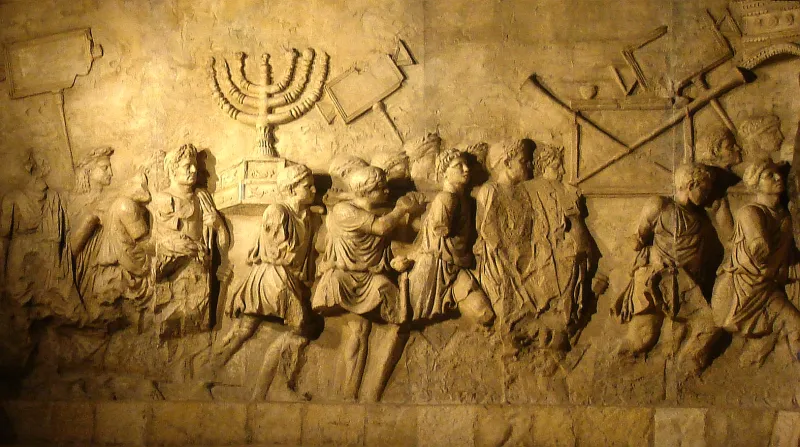
This is the origin of Hanukkah — the Festival of Dedication. The Talmud, written centuries later, adds the story of the miracle: when the Maccabees searched for ritually pure oil to light the Temple menorah, they found only a single cruse — enough for one day. Miraculously, it burned for eight days, until new oil could be prepared.
Historians debate whether the oil miracle is historical or a later rabbinic addition. What is not debated is the significance of the moment: a small band of Jewish rebels had taken on a superpower and won. They had reclaimed their holiest site and rekindled its light.
The Hasmonean Kingdom
Victory in battle did not bring peace. Judah continued fighting the Seleucids and was killed in battle in 160 BCE. His brothers Jonathan and Simon continued the struggle, combining military action with shrewd diplomacy. Simon finally achieved what the revolt had aimed for: in 140 BCE, the Seleucids recognized Jewish independence, and Simon was declared High Priest, commander, and leader of the Jews.
The Hasmonean dynasty — named for an ancestor of the Maccabee family — ruled an independent Jewish kingdom for roughly a century. It was the last period of Jewish sovereignty in the land of Israel until the modern State of Israel was established in 1948.
But the Hasmonean era was not the golden age its founders had envisioned. The later Hasmonean rulers became increasingly Hellenized themselves — the very thing their ancestors had fought against. They expanded the kingdom through forced conversions of neighboring peoples, which violated Jewish law. They combined the offices of king and High Priest, which many Jews considered illegitimate since they were not from the Davidic royal line.
Internal conflicts — civil wars between Hasmonean factions — weakened the kingdom from within. In 63 BCE, the Roman general Pompey exploited these divisions to intervene. He conquered Jerusalem, entered the Holy of Holies (an act of sacrilege that Jews never forgave), and made Judea a Roman client state. The Hasmonean dynasty lingered on in diminished form until 37 BCE, when Herod the Great — backed by Rome — seized the throne and executed the last Hasmonean claimants.
Legacy and Lessons
The Maccabean story raises questions that Jewish communities still debate. Was the revolt justified? The rabbis of the Talmud, writing under Roman rule, were ambivalent about armed rebellion. They emphasized the miracle of the oil rather than the military victory — perhaps because encouraging revolt against empires was dangerous, or perhaps because they genuinely believed that divine intervention mattered more than human warfare.
Modern Israel embraced the Maccabees as national heroes — symbols of Jewish military courage and the willingness to fight for independence. The contrast between the rabbinic and Zionist readings of the same story reveals how differently the same history can be interpreted depending on the circumstances of the interpreters.
The Maccabean revolt also raises uncomfortable questions about religious zealotry. Mattathias killed a fellow Jew who was willing to compromise. The Hasmoneans forcibly converted non-Jewish populations. The line between principled resistance and dangerous extremism is not always clear — and the Maccabean story, honestly read, forces readers to confront that ambiguity.
“Not by might, and not by power, but by My spirit, says the Lord of Hosts.” — Zechariah 4:6 (read on the Shabbat of Hanukkah)
Every year, when Jews light the Hanukkah menorah, they are remembering all of this — the courage, the victory, the miracle, and the complicated aftermath. The lights in the window say: we are still here. The darkness did not win.
Frequently Asked Questions
Who were the Maccabees?
The Maccabees were a Jewish rebel family who led a revolt against the Seleucid (Greek-Syrian) Empire beginning in 167 BCE. The movement was started by Mattathias, a priest from the village of Modi'in, and led militarily by his son Judah, nicknamed 'Maccabee' (likely meaning 'the Hammer'). Their guerrilla campaign against a vastly superior army is one of the great underdog stories in history.
What is the connection between the Maccabees and Hanukkah?
After defeating the Seleucid forces, the Maccabees recaptured and rededicated the Temple in Jerusalem in 164 BCE. Hanukkah ('dedication') commemorates this event. The Talmud adds the miracle of a single day's oil burning for eight days. The holiday celebrates both military courage and divine intervention.
What was the Hasmonean dynasty?
After the Maccabean revolt succeeded, the family (also called Hasmoneans) established an independent Jewish kingdom that lasted roughly 100 years (140-37 BCE). The Hasmonean rulers served as both kings and high priests, which was controversial since they were not from the Davidic royal line. The dynasty ended when Rome installed Herod the Great as client king.
Sources & Further Reading
Related Articles
Ancient Israel: From Abraham to the Kingdoms
The foundational story of the Jewish people — from the call of Abraham through the united monarchy of David and Solomon.
Hanukkah: The Festival of Lights
Eight nights of candles, latkes, and dreidels — the story and customs of the beloved winter holiday.
Jerusalem: 3,000 Years of Faith, Conflict, and Hope
For three millennia, Jerusalem has been the spiritual heart of the Jewish people — and a city sacred to three faiths. Its story is one of devotion, destruction, and enduring hope.